
How To Check If The Water Heater Is Working
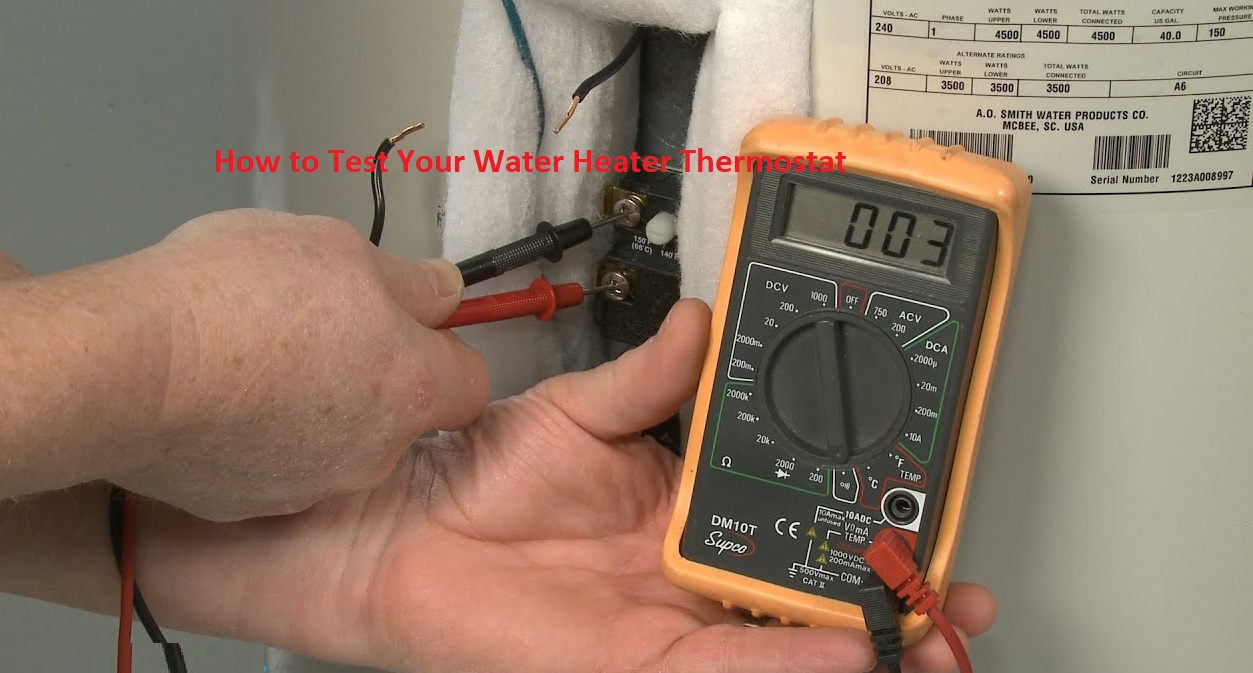
Okay, so picture this: You're about to jump into the shower after a long day of, you know, adulting. Maybe you wrestled a rogue shopping cart back to its corral, or perhaps you just survived another mind-numbing meeting where someone used the word "synergy" one too many times. Either way, you deserve that hot shower. It’s basically a human right, right?
But then... ice water. Not a pleasant surprise. It’s like the universe is personally mocking your attempts to relax. And suddenly, you're Sherlock Holmes, trying to solve the mystery of the lukewarm-to-arctic shower experience. Could it be… the water heater?
Don’t panic! Diagnosing a grumpy water heater isn’t rocket science. It's more like figuring out why your toddler glued all the macaroni to the cat – messy, but solvable. Here's your super-casual, totally-not-technical guide to checking if your water heater is pulling its weight.
Must Read
The Obvious (But Often Overlooked) First Steps
Before you start dismantling pipes and questioning the very meaning of hot water, let’s go over the basics. Think of it like checking if your phone is plugged in before you call tech support. Obvious, but crucial.
Check the Breaker: Is the breaker that controls your water heater tripped? It’s like a tiny tantrum that the breaker throws when it’s overloaded. Just flip it back to the "on" position. If it trips again immediately, Houston, we have a problem (a bigger one, involving potential electrical issues – call a pro!).
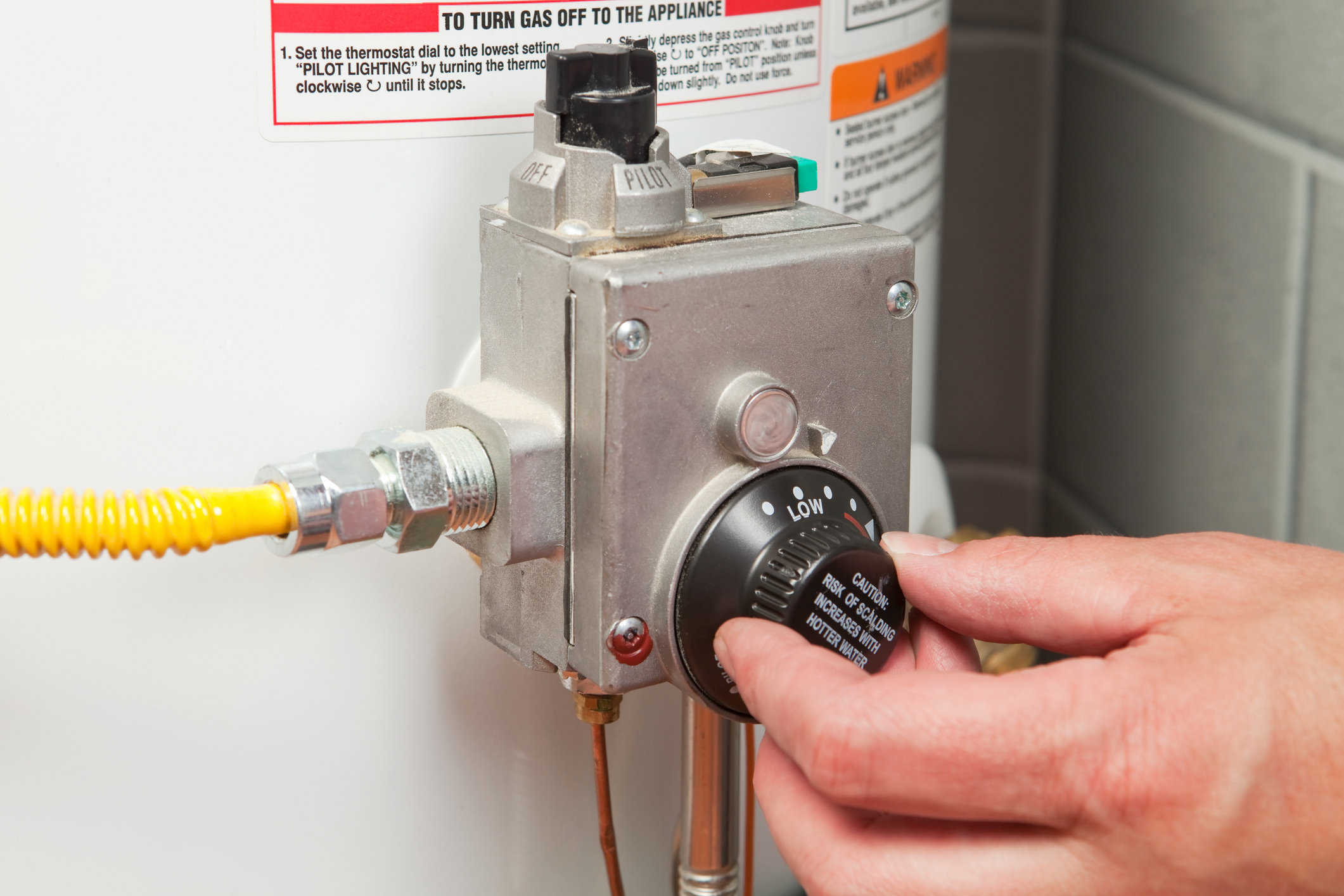
Gas or Electric?: Know thy enemy! Or, in this case, know thy water heater. Is it gas or electric? If it’s gas, make sure the pilot light is lit. Refer to your water heater’s manual for instructions on how to relight it safely. (Manual? What's a manual? Just kidding... mostly.) If it’s electric, well, you're mostly off the hook for the pilot light drama. But the breaker check is even more important.
The Touchy-Feely Test (Proceed with Caution!)
Alright, breakers checked, pilot light (maybe) relit. Now it’s time to get a little more hands-on. But remember, safety first! We're going for hot showers, not hospital visits.

Feel the Pipes: Carefully touch the pipes leading into and out of the water heater. The pipe leading into the heater should be cooler (because it's bringing in cold water), and the pipe leading out of the heater should be hot (because it's carrying the heated water). If the outlet pipe is lukewarm or cold, that's a bad sign. It's like ordering a pizza and getting a bowl of soup instead. Just… wrong.
Listen Closely: Stand near the water heater and listen. Do you hear any unusual noises? Gurgling, hissing, banging? A little humming is normal, but anything that sounds like a monster trapped inside is a cause for concern. My old water heater used to sound like a grumpy walrus, and it was definitely time to replace it.
The Thermostat Tango
Your water heater has a thermostat, just like your oven or your air conditioner. Sometimes, it’s just set too low. It's like telling your personal chef to only cook your steak "rare" when you really want it medium-well (a culinary tragedy!).
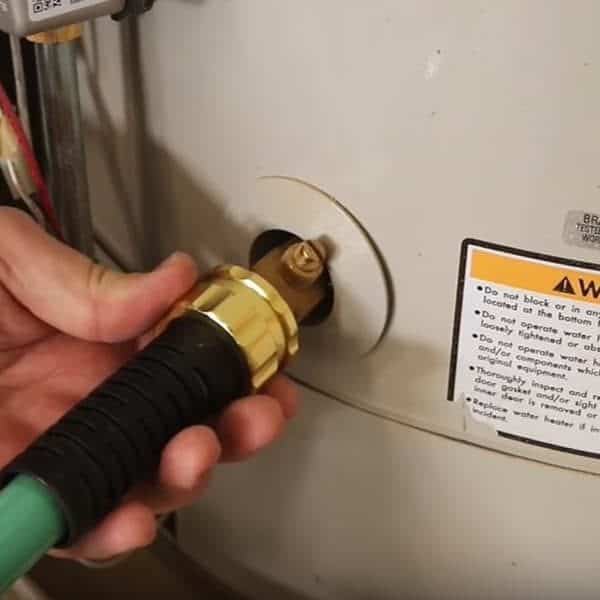
Find the Thermostat: Depending on your water heater, the thermostat controls might be located behind an access panel on the side of the tank. Refer to your manual (yes, that manual!) for specific instructions. Usually, there’s an upper and lower thermostat on electric water heaters.
Adjust the Temperature: 120 degrees Fahrenheit is generally considered a safe and energy-efficient temperature. Don’t crank it up too high, or you risk scalding yourself (or accidentally creating a science experiment with lukewarm water and superheated steam).

When to Call in the Pros
Okay, so you’ve checked the breaker, relit the pilot light, touched the pipes, listened for weird noises, and tangoed with the thermostat. Still no hot water? It's time to wave the white flag and call a plumber.
Don’t be a Hero: Messing with water heaters can be dangerous, especially if you’re not familiar with plumbing or electrical work. Remember that time you tried to fix your leaky faucet and ended up flooding the bathroom? Yeah, let’s avoid a repeat of that incident.
A professional can diagnose the problem, repair or replace the water heater safely, and ensure that you’re back to enjoying those glorious, scalding-hot showers in no time. Because let's face it, a hot shower isn’t just a luxury – it’s a necessity for surviving the chaos of everyday life.