
How To Check Gas Stove For Leak

Alright, let's chat about something that sounds a bit serious but really isn't, especially when you know what you're doing: checking your gas stove for leaks. We're talking about gas, so yeah, it’s super important to pay attention, but it’s not rocket science or some arcane wizardry. Think of it less like defusing a bomb and more like being a really observant kitchen detective.
You know that feeling when you're sure you left your keys right there and they've vanished into thin air? Or when you swear you hear your name called, but it’s just the wind? Checking for a gas leak is kind of like that, but with a few actual, tangible clues. And trust me, finding those clues is way better than just hoping for the best.
The Ol' Sniff Test: Your Nose Knows!
First up, and probably the most common way folks first suspect something's amiss, is the smell test. Natural gas, by itself, is actually odorless. But utility companies are no fools! They add a chemical called mercaptan, which gives it that unmistakable, let's call it, "personality."
Must Read
What does it smell like? Imagine a dragon laid a really, really bad egg. Or perhaps a plate of forgotten, overcooked cabbage that’s gone rogue. It’s that distinctly sulfur-y, rotten egg smell. Not your fancy culinary spices, trust me.
If you walk into your kitchen and think, "Hmm, did someone just open a time capsule of stinky gym socks from the 80s?" — well, that's your nose telling you to pay attention. Don't ignore it! It’s your body’s built-in gas leak alarm. And if you smell it, don't go flicking light switches or turning on appliances. Just open a window and move on to the next step, carefully.

Listen Closely: Is Your Stove Whispering Secrets?
Sometimes, your ears can be just as helpful as your nose. If you have a significant leak, you might actually hear a faint hissing sound. It’s like a tiny, invisible snake has decided to make a home under your stovetop. Or maybe your stove is just trying to tell you something in a very quiet, secretive way.
Stand near your stove, turn off any distracting noises (like that podcast about competitive dog grooming), and just listen. If you hear a gentle "pssssst" that isn't coming from your teenagers, it's another clue in our kitchen mystery.

The Bubble Bath Method: Your Stove’s Spa Day
Alright, this is the main event, the real Sherlock Holmes trick that’s both effective and surprisingly fun. We're talking about the soapy water test. You don’t need a degree in chemistry, just some dish soap and water. It’s like a mini science experiment, but with much higher stakes (and cooler bubbles).
Here's how to do it:
- Grab a small bowl and mix a generous amount of liquid dish soap with water. You want it pretty sudsy, like you're about to give your rubber ducky a luxurious bubble bath.
- Take a sponge or a soft brush and apply this soapy solution to all the suspect areas. Think about where the gas lines connect to the stove, around the burner knobs, and any seams or joints in the gas line itself. Basically, anywhere two pieces of metal meet and gas could potentially escape.
- Now, watch closely. If there’s a leak, you’ll see bubbles forming and growing, just like when you blow through a straw into your drink. They’ll be popping up where the gas is escaping, creating a tiny, tell-tale foam party. It’s a pretty clear sign that something isn't sealed tight.
This method is fantastic because it gives you visual confirmation. No more guessing if that faint smell was just yesterday's leftovers or if that whisper was just your imagination. Bubbles don't lie!
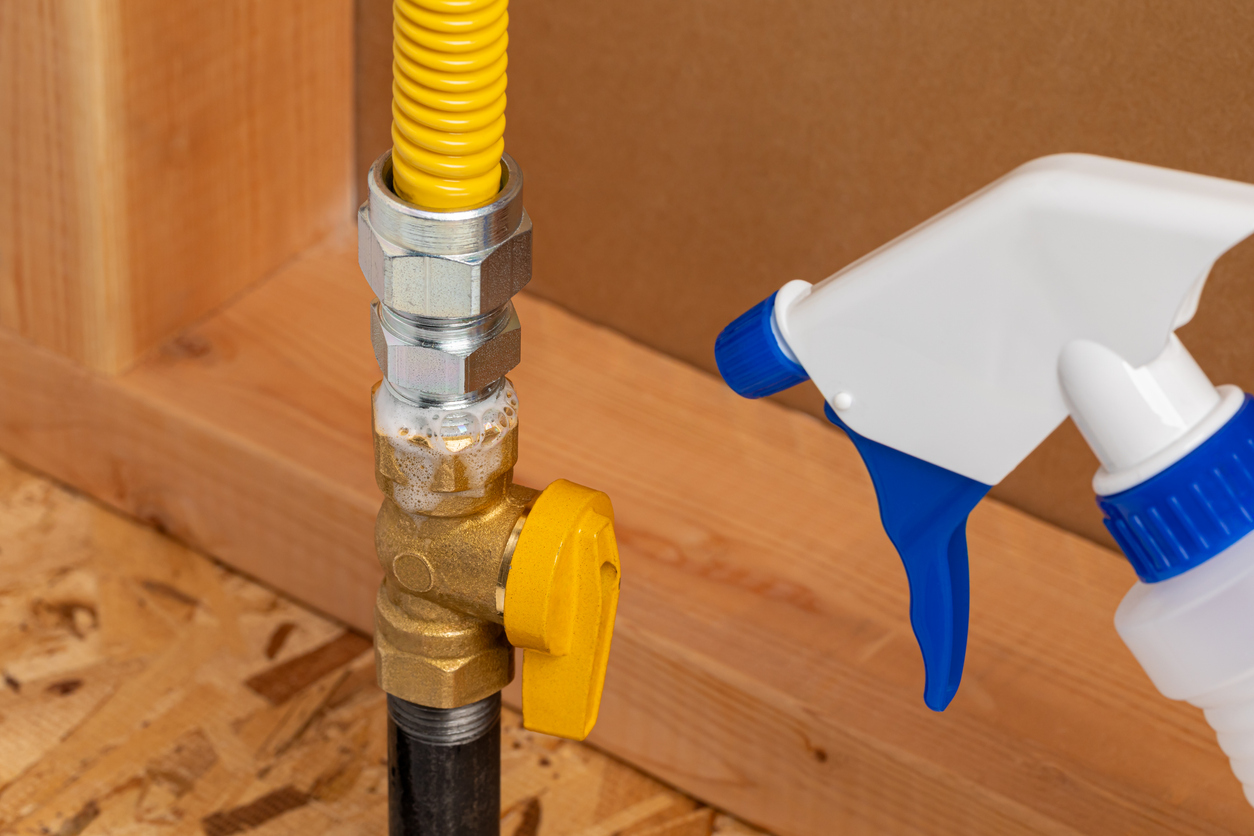
"Houston, We Have Bubbles!": What to Do Next
So, you've done your tests, and lo and behold, you've got bubbles, or a strong smell, or that sneaky hiss. Don't panic! Seriously, keep calm. But do act quickly and decisively.
First things first: open all the windows and doors. Get that fresh air circulating. Second, if you can safely reach it, turn off the main gas supply valve to your stove. It’s usually a quarter-turn valve behind or under the stove. Third, and this is crucial, do NOT use any electrical switches or appliances. No lights, no phone charging, no trying to "google it" on your stove! A spark, even a tiny one, is a big no-no.
Finally, and perhaps most importantly, call the pros! That means your gas company or a certified plumber who deals with gas lines. They have the right tools and expertise to fix it safely and correctly. This isn’t a DIY job for YouTube tutorials.
A Little Prevention Goes a Long Way
Checking your stove for leaks isn't something you need to do every day, but it’s a good idea to know how to, especially if you get a new stove, or just have a general feeling that something's not quite right. A little vigilance can save you a lot of headaches – and potentially more serious problems down the line.
So next time you're feeling like a kitchen detective, remember these easy steps. Your nose, your ears, and a bit of soapy water are your best friends in keeping your kitchen safe and sound. You got this!