
How To Check Gas Leak In Stove

Ever gazed at your trusty stove, perhaps while simmering a delicious pasta sauce or toasting a midnight snack, and thought, "You know what? I feel utterly fantastic about how safe this culinary powerhouse is!"
No? Well, get ready, because we're about to sprinkle some inspiration and practical know-how on a topic that, believe it or not, can seriously boost your kitchen confidence and make life just a little bit more delightful: how to check for a gas leak in your stove!
Why Bother? (Spoiler: It's All About the Good Vibes!)
Now, before your eyes glaze over at the mere mention of "safety checks," hear us out. This isn't about doom and gloom. This is about empowerment. It's about that glorious feeling of competence when you know your home is humming along safely, leaving you free to focus on the important things – like perfecting your soufflé or hosting that epic game night without a single worry bubbling up in the back of your mind.
Must Read
Think of it as adding a secret ingredient to your everyday life: peace of mind. When you know how to give your stove a quick health check, you're not just being responsible; you're unlocking a new level of culinary serenity. You're saying, "Yes, I got this! My kitchen is a sanctuary of deliciousness and safety!" And honestly, isn't that just way more fun?
Your Super-Simple, No-Stress Leak Detection Toolkit!
You don't need fancy gadgets or a science degree for this. Your most powerful tools are already with you! Let's dive into these surprisingly fun little checks, shall we?
1. The Ol' Sniffer Test: Unleash Your Inner Bloodhound!
This is your first line of defense and, arguably, the most important. Natural gas itself is odorless, but gas companies add a harmless chemical called mercaptan, which gives it that distinctive, unmistakable "rotten egg" smell. It's like a built-in alarm system for your nose!

What to do:
- Take a gentle sniff around your stove.
- Walk into the kitchen after being away for a bit.
If you catch a whiff of that tell-tale odor, don't ignore it! Your nose is a powerful tool, and it's trying to tell you something important. It’s like your very own superhero sense, activated!
2. The Visual Clues: Become a Stove Detective!
Sometimes, your eyes can spot clues that your nose might miss. You’re basically Sherlock Holmes of the kitchen!
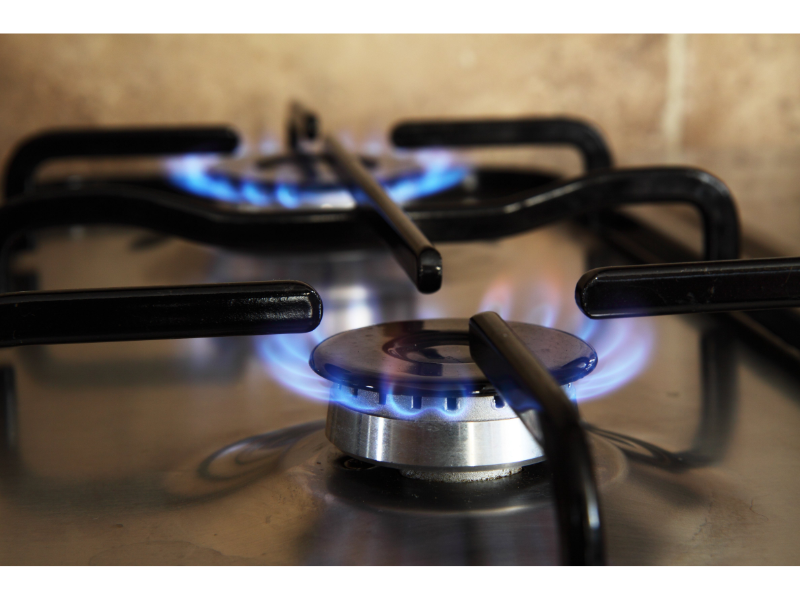
What to look for:
- Yellow or Orange Flames: When your gas burner is on, the flame should primarily be blue. If you see a lot of yellow or orange, especially with soot deposits on your pots, it could indicate incomplete combustion, which might signal a leak or improper gas-air mixture.
- Soot or Black Marks: Notice any unexplained black marks or soot around the burner or on the ceiling above the stove? This could be a byproduct of incomplete combustion.
- Physical Damage: Give the gas line and connections behind your stove a quick visual once-over (if it's safe and accessible). Look for kinks, cracks, or loose connections.
These are subtle hints, but a keen eye can often spot trouble before it escalates. Bravo, detective!
3. The Soapy Bubble Trick: Your Mini Science Experiment!
This is the classic, hands-on, and surprisingly satisfying method. It’s like conducting a mini-experiment right in your kitchen, and who doesn't love a good bubble show?
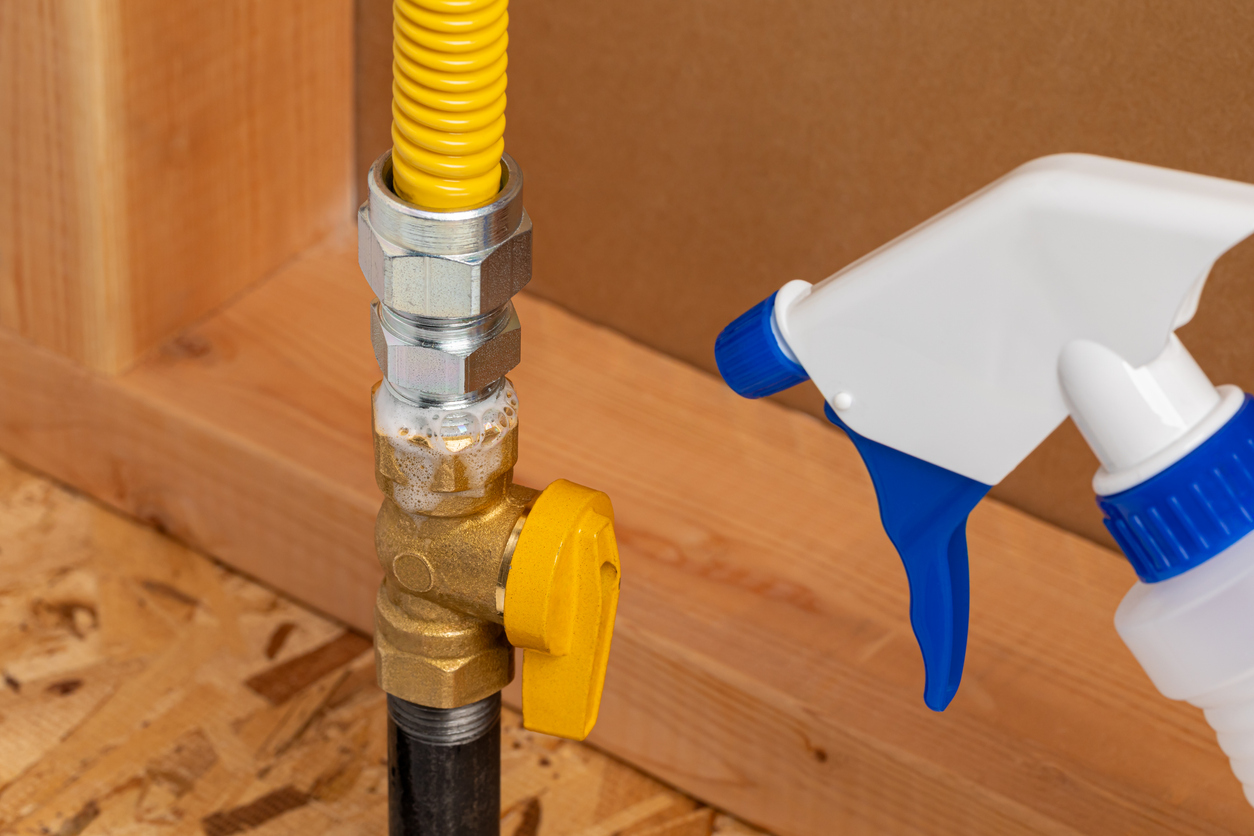
Here’s how to do it:
- Mix it Up: In a small bowl, combine a good amount of dish soap with a little water to create a thick, sudsy solution. Think lots of bubbles, like you're preparing for a tiny bubble bath.
- Apply with Care: Lightly brush or spray the soapy solution onto the gas line connections at the back of your stove (make sure the gas is on, but the burners are off!). Pay close attention to the fittings and joints.
- Watch for the Magic: If there's a leak, you'll see bubbles forming and growing at the exact spot where the gas is escaping. It’s like tiny, tell-tale balloons shouting, "Here I am!"
This method is incredibly effective and gives you a clear visual confirmation. It’s simple, safe, and honestly, a little bit mesmerizing when you think about the science behind it!
"Uh Oh, I Found Something! Now What?" (Don't Panic, Take Charge!)
First off, no panic! You've just demonstrated incredible self-awareness and competence by finding a potential issue. That's a win! Here's your empowered action plan:
![How to Detect a Gas Stove Leak in Your Home [Expert Tips]](https://www.fixwerks.com/wp-content/uploads/2022/03/How-to-Detect-a-Gas-Stove-Leak-and-Methods-to-Prevent-It-1024x536.png)
- Turn off the Gas: If it's safe to do so, turn off the main gas supply valve to your stove.
- Ventilate: Open windows and doors to air out your home.
- Evacuate: Get everyone (and pets!) out of the house.
- Call the Pros: From a safe distance (outside!), call your gas company or emergency services. Do not try to fix it yourself!
You're not just reacting; you're taking proactive, responsible steps to keep everyone safe. You're a hero, plain and simple!
The Upside: More Fun, Less Worry!
Knowing how to perform these simple checks means you're not leaving your home's safety to chance. You're taking charge, being proactive, and in doing so, you're building a foundation of peace for yourself and your loved ones.
Imagine whipping up a gourmet meal, baking holiday cookies, or simply enjoying a warm cup of tea without that nagging "what if" in the back of your mind. That's the power of knowledge, folks! It transforms potential worries into quiet confidence, making your home a more joyful, relaxed, and truly fun place to be.
So, go ahead! Give your stove a quick check. Master these simple steps. You're not just learning about gas safety; you're investing in your own well-being, enhancing your everyday comfort, and becoming an even more amazing, confident home dweller. Isn't that an inspiring thought to chew on? Now go forth and conquer your kitchen with confidence!