
How To Check For Gas Leaks With Soapy Water

Alright, let's talk about something that might not sound like a barrel of laughs: gas leaks. But hey, stick with me! Because finding and fixing them yourself – using just soapy water, no less! – can be surprisingly empowering. Think of it as becoming a DIY superhero in your own home. And trust me, feeling safe and saving a few bucks? That's definitely a win-win.
Why Soapy Water? Seriously?
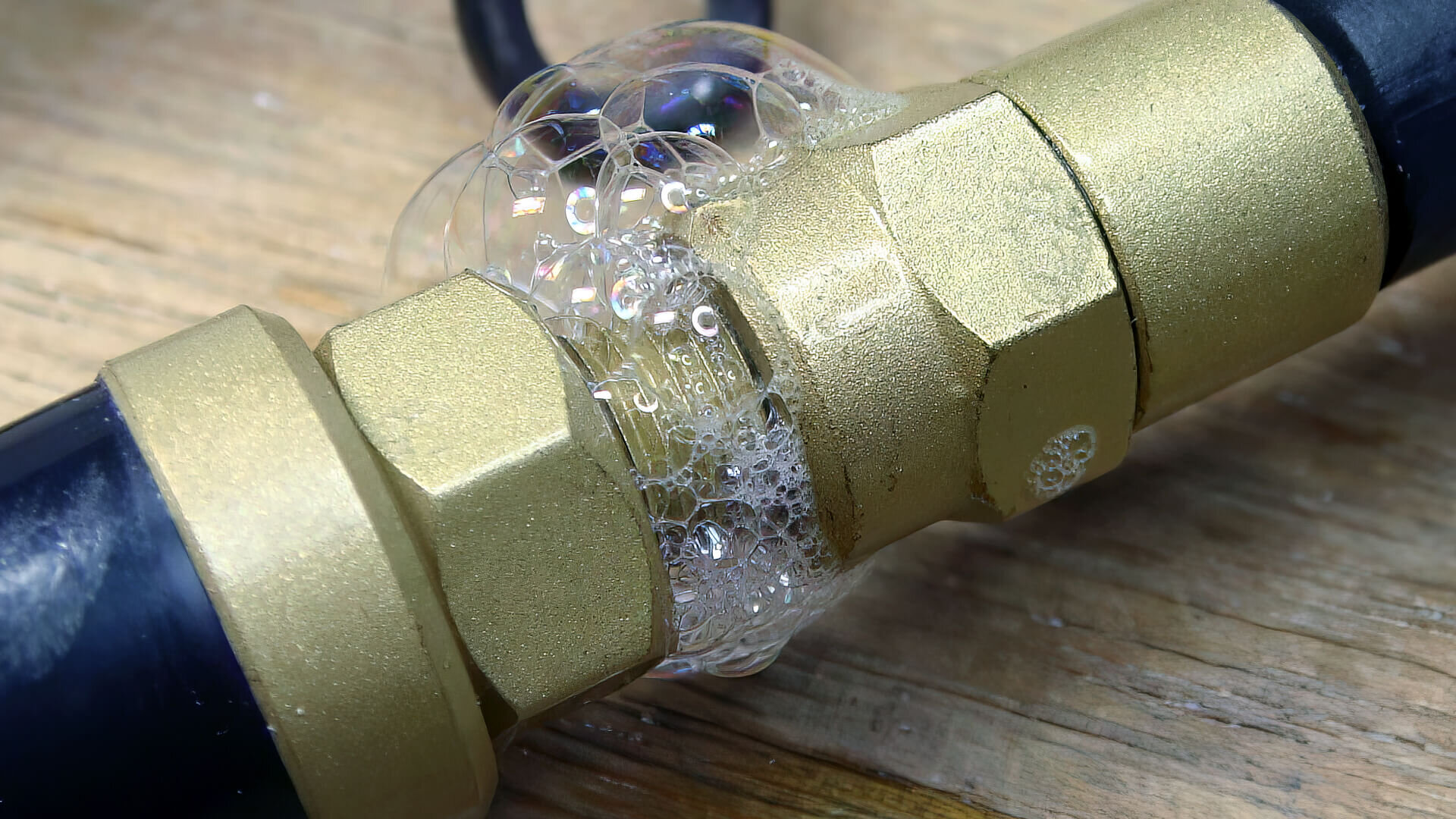
You might be thinking, "Soapy water? That sounds like something my grandma would use!" And you know what? Grandma was probably onto something! The brilliance of soapy water is its simplicity. When gas leaks, it creates tiny bubbles. The soap in the water helps to make those bubbles visible, even if they're super small. It’s basically like giving the gas a megaphone so you can hear (or rather, see!) it.
It's also incredibly safe. No fancy gadgets or electrical equipment required, which means you're not risking any sparks near a potential gas leak. Safety first, friends!
Must Read
Gather Your Tools (Or Lack Thereof!)
Okay, this is where the "easy" part really kicks in. You’ll need:
- Dish soap (the kind you use for washing dishes, duh!)
- Water (from the tap is just fine)
- A spray bottle (an old cleaning spray bottle works great, just make sure it’s clean!) or a sponge.
- A cloth (for wiping up any drips)
See? We're talking about stuff you probably already have under your sink. No trip to a specialty store needed. High five!

The Bubble-Blowing Detective Work
Now for the fun part! (Yes, I said fun. Detecting potential gas leaks can be… strangely satisfying). Here's the step-by-step:
- Mix your solution: Add a generous squirt of dish soap to a bottle of water. We're not talking about a bubble bath, but you want a decent concentration. Gently swirl to mix. Avoid creating a ton of foam, as this can make spotting the smaller bubbles harder.
- Identify the Usual Suspects: Where do gas leaks typically occur? Think about all the places where gas pipes connect to appliances. These are your primary targets! This includes:
- Your gas meter
- Gas pipes near your furnace
- Connections on your water heater
- The gas line to your stove or oven
- Any other gas appliances, like a fireplace.
- Apply the Soapy Solution: Generously spray or sponge the soapy water onto all the connections, joints, and fittings of the gas pipes and appliances you’re checking. Don’t be shy! You want to thoroughly coat the area.
- Watch Closely: This is where your inner detective really shines. Keep a close eye on the areas you’ve soaped. Look for any bubbles forming and growing. Even tiny bubbles can indicate a leak. It's like watching a miniature soap opera unfold before your very eyes!
- Mark the Spot: If you find bubbles, mark the location of the leak. You can use a piece of tape, a marker (on the pipe itself, if it's safe to do so), or just mentally note the exact spot. You’ll need this information later!
What Happens If You Find a Leak? (Important!)
Okay, this is where the fun stops and the serious stuff begins. If you find a gas leak, do not try to fix it yourself unless you are a qualified and licensed professional!
Here's what you should do:

- Evacuate: Get everyone (including pets!) out of the house immediately.
- Don't Use Electronics: Do not use your phone inside the house (even for emergency services). Gas can ignite from even a small spark. Go outside or to a neighbor’s house.
- Call the Gas Company: From a safe location, call your gas company’s emergency number. They’ll send someone out right away to assess the situation and repair the leak.
- Don’t Go Back In: Do not return to your home until the gas company gives you the all-clear.
Your safety is always the top priority. Gas leaks are nothing to mess around with, so call the pros when needed!
Preventing Future Leaks (A Stitch in Time…)
Regularly checking for gas leaks is a great preventative measure. Consider making it a part of your home maintenance routine, perhaps every six months or so. And while you’re at it, make sure your gas appliances are properly maintained and serviced by qualified professionals. Just like your car needs regular check-ups, so do your gas-powered devices!
So, What's the Point of All This?
Beyond the safety aspect (which is, obviously, crucial), knowing how to check for gas leaks with soapy water gives you a sense of control over your home environment. You’re not just passively living in your house; you’re actively maintaining it, making it safer and more efficient. And honestly, that feeling of accomplishment is pretty awesome.
Plus, let’s be real, learning new skills is just plain fun. It keeps your brain sharp, and it makes you a more well-rounded, capable human being. Who knows, maybe this newfound soapy-water detective skill will inspire you to tackle other DIY projects around the house! From fixing leaky faucets to building a birdhouse, the possibilities are endless.
So, go forth and bubble-hunt! Embrace the power of soapy water, and become the guardian of your gas lines. You might be surprised at how much you enjoy the process – and how much safer you feel knowing you’ve taken proactive steps to protect your home and your loved ones. Remember, every little bit of knowledge is a step towards a more empowered and confident you. Keep learning, keep exploring, and keep making your world a safer and more interesting place!
