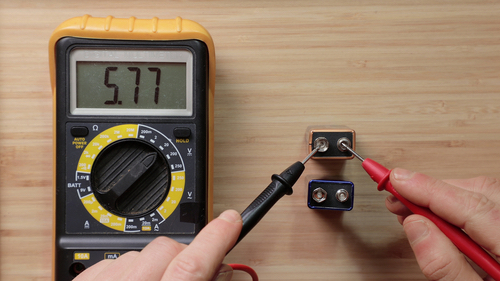
How To Check Battery Amperage With Multimeter
Okay, so picture this: I'm stranded. Yep, classic movie scene, except instead of a desert island, it's a parking lot, and instead of a shipwreck, it's a dead battery. The sinking feeling? Totally the same. Turns out, my car battery decided to stage a dramatic exit right before a super important date. Lesson learned? Always, always, check your battery. And knowing how to check its amperage? That’s like having a superpower in the automotive world. (Okay, maybe not a superpower, but a pretty darn useful one.)
So, you wanna avoid my parking lot of doom? Let's talk about checking battery amperage with a multimeter. Don't worry, it's not as scary as it sounds. Think of it as a fun little science experiment… with slightly less potential for explosions. (Emphasis on "slightly.")
Why Check Battery Amperage Anyway?
Good question! Think of amperage like the battery's muscle. It's the amount of electrical current it can deliver. Low amperage = weak sauce battery. Checking it can tell you if your battery is on its last legs, if there's a parasitic draw (something sucking power when the car is off – sneaky!), or if your charging system is working correctly. Knowing this stuff can save you from being "that guy" with the jumper cables.
Must Read
What You'll Need
Alright, gear up! Here's your shopping list:

- A Multimeter: This is your trusty sidekick. Make sure it can measure DC amps. (Seriously, double-check.)
- Safety Glasses: Because looking cool and protecting your eyes is always a win-win.
- Gloves (Optional): Rubber or latex gloves can help prevent shocks. Better safe than sorry, right?
- Your Car (Hopefully it starts!)
- Your Car's Manual: Because sometimes, reading instructions does help.
The Step-by-Step Guide (Finally!)
Okay, deep breath. Here's how to actually do the thing:
- Safety First! Turn off your car. Pop the hood. Disconnect the negative (-) battery terminal. Always disconnect the negative terminal first. It's a grounding thing; trust me on this.
- Set Up Your Multimeter: Set your multimeter to measure DC amps. You might need to select a range. If you're unsure, start with the highest range and work your way down. (This prevents blowing a fuse in your multimeter. Ask me how I know…)
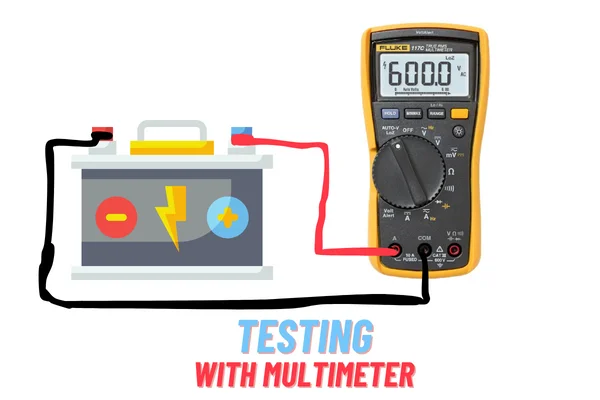
- Connect the Multimeter: This is the slightly tricky part. You're going to connect the multimeter in series with the negative battery cable and the negative battery terminal. What does that mean? It means you're breaking the circuit and making the multimeter a part of it.
Connect one multimeter lead to the disconnected negative battery cable. Connect the other multimeter lead to the negative battery terminal. - Read the Amperage: Once everything is connected, the multimeter will display the current draw. A normal reading should be very low, typically less than 50 milliamps (0.05 amps). Anything significantly higher indicates a parasitic draw.
- Investigate High Readings: If you see a high amperage reading, start pulling fuses one at a time. When the amperage drops, you've found the circuit causing the problem. Consult your car's manual to figure out what's on that circuit and troubleshoot accordingly. (This is where things can get… interesting.)
- Reconnect Everything: Once you're done, reconnect the negative battery cable. Tighten the terminal securely. Put everything back where it belongs. Close the hood. Admire your handiwork.
Interpreting the Results
So, what does it all mean? Here's a quick rundown:

- Low Amperage (0.05 amps or less): Congrats! Your battery is likely fine. No significant parasitic draw. High five yourself!
- High Amperage (More than 0.05 amps): Houston, we have a problem. Something is draining your battery. Time to investigate those circuits.
Important Note: Some vehicles have onboard computers that take a few minutes to "go to sleep" after the ignition is turned off. Allow some time (5-10 minutes) after disconnecting the battery for the amperage reading to stabilize before making a final determination.
Final Thoughts
Checking battery amperage with a multimeter might seem intimidating, but it's a valuable skill that can save you time, money, and a whole lot of frustration. Practice makes perfect, so don't be afraid to give it a try. And if you're ever unsure, consult a qualified mechanic. They're the real superheroes of the automotive world. (And they probably have jumper cables.) Now go forth and conquer those electrical gremlins!