
How To Check A Battery Drain With Multimeter

Hey there, battery detectives! Ever wake up to a car that sounds like a dying walrus? Ugh, battery drain. It's the silent thief of your electrical joy. But don't sweat it! You can totally become a multimeter master and track down that power-hungry culprit.
Think of your car battery as a bank account. It stores energy. And something is withdrawing it even when the engine is off! It could be a mischievous gremlin... or a slightly less exciting faulty component. Let's find out!
What You'll Need (aka Your Detective Kit)
Alright, gather your gear. You'll need a multimeter. It's like a superpower in a tiny box. Also, grab some safety glasses. Looking cool is important, but safety first! Finally, you'll want a wrench (usually 10mm) to disconnect the battery terminal. Remember, we're playing electrical detective, not electrical shock victim!
Must Read
Pro Tip: Make sure your multimeter can measure DC Amps. That's key!
Safety Dance (Seriously, Don't Skip!)
Okay, real talk. Disconnecting car batteries involves electricity. Electricity, while useful for powering Netflix, can also be shocking (literally!). So, read your car's manual. Wear those safety glasses. And if you're even slightly unsure, grab a friend who knows their way around cars or, better yet, a professional. No shame in that game!
Important: Ensure your car is OFF. Keys out of the ignition! No music blasting, no lights on. Total silence. Think of it like a stakeout.
The Disconnect Tango
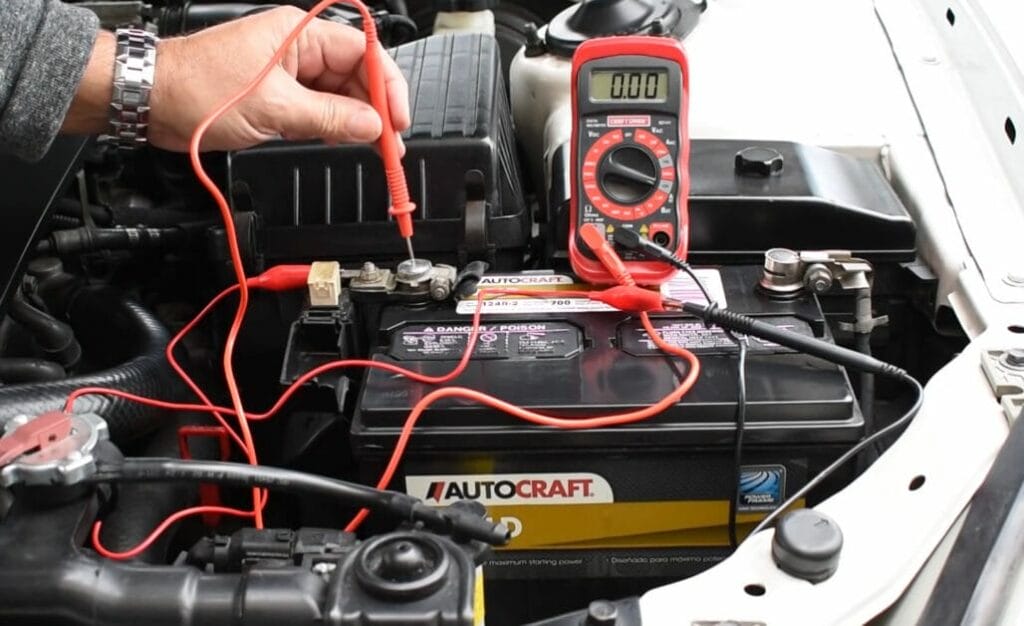
First, locate your battery. Usually, it's under the hood, but some cars hide it in the trunk or even under the backseat! Sneaky! Once you find it, identify the negative terminal. It's usually marked with a "-" sign or a black cable.
Using your wrench, carefully loosen the nut on the negative terminal. Gently remove the cable. Don't force it! If it's stuck, a little wiggle might help. Once it's off, tuck it away so it doesn't accidentally touch the terminal again. We want to measure the current, not create a short circuit fireworks display.
Fun Fact: Some people believe you should disconnect the positive terminal first. Others swear by the negative. What's the truth? As long as you're careful and avoid touching the terminal with the wrench against any metal part of the car, you'll be fine. Just be deliberate and focused!
Multimeter Magic: Amp Clamp Time!
Now comes the fun part! Set your multimeter to measure DC Amps (usually marked as "A" with a straight line and a dashed line underneath). Make sure you've plugged the leads into the correct ports on the multimeter. Usually, the black lead goes into "COM" and the red lead goes into the port labeled for Amps. Read your multimeter's manual if you're not sure!

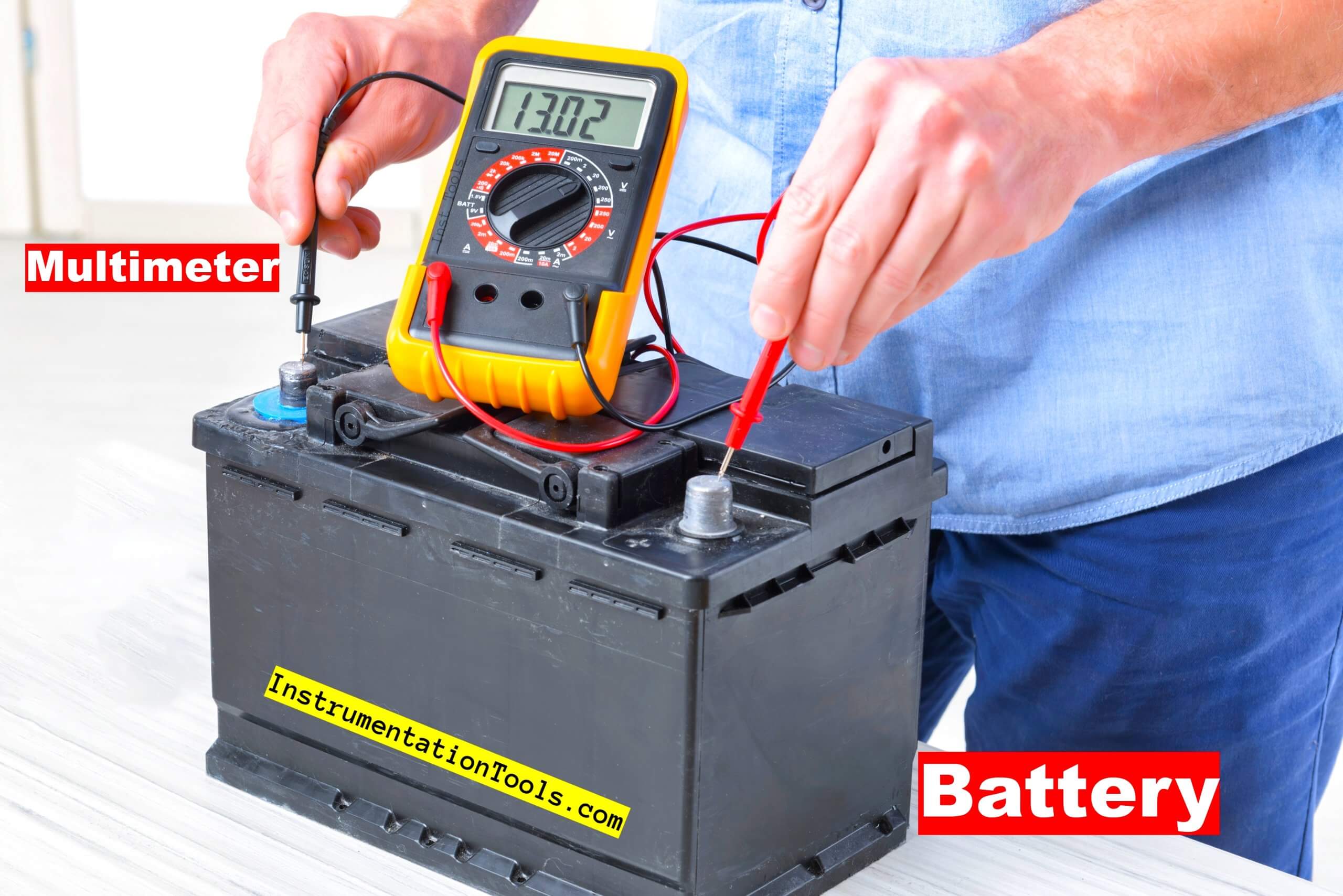
Now, here's the trick: you're going to connect the multimeter in series between the negative battery terminal and the negative cable you just disconnected. Imagine the electricity flowing from the battery, through the multimeter, and then to the car. The multimeter is intercepting that flow and telling you how much is being drawn.
Attach one lead of the multimeter to the negative battery terminal. Attach the other lead to the negative cable you disconnected. Ta-da! Your multimeter should now be displaying a current reading.
Reading the Tea Leaves (aka Interpreting the Numbers)
A healthy car, when everything is off, should have a very low current draw. Typically, anything under 50 milliamps (0.05 amps) is considered normal. Some modern cars with lots of fancy electronics might draw a bit more, but generally, that's the ballpark figure.
If you're seeing a reading significantly higher than that – say, 0.5 amps or more – you've got a problem! Something is sucking power when it shouldn't be. Time to put on your detective hat!
Big Number Alert! Anything above 0.1 amps (100 milliamps) is a red flag worth investigating.
Hunting Down the Culprit
This is where it gets interesting (and potentially time-consuming). The most common culprits for battery drain are:
- Interior lights: Glove box light, trunk light, dome light left on.
- Faulty door switches: These can keep interior lights or the alarm system activated.
- Aftermarket accessories: Stereos, alarms, remote starters, etc. These can sometimes be poorly installed or malfunction.
- Failing diodes in the alternator: These can allow current to flow backward, draining the battery.
- Computer problems: Modern cars have lots of computers. Sometimes, they can malfunction and not "sleep" properly, continuing to draw power.
To find the culprit, try this: with the multimeter still connected and displaying the current draw, start pulling fuses one at a time. Pull a fuse, check the multimeter reading. If the reading drops significantly, you've found the circuit where the drain is occurring! Consult your car's fuse box diagram to identify what components are on that circuit.

Warning! Don't pull fuses for critical systems like the engine control unit (ECU) or anti-lock brakes (ABS) unless you know what you're doing. This could cause problems.
The Resolution (and the Reward)
Once you've identified the circuit causing the drain, you can start troubleshooting the components on that circuit. It might require some further testing or even replacing a faulty part. But hey, you're already a multimeter master! You're well on your way to solving the mystery.
After you've fixed the problem, reconnect the negative battery cable. Check the multimeter again to make sure the current draw is back to normal. Now, start your car and enjoy the sweet sound of a healthy engine! You've saved yourself a jump-start (and potentially a new battery). High five!
Remember: If you're uncomfortable with any of these steps, seek professional help. There's no shame in calling in the experts! And congrats, you're now ready to impress your friends with your newfound battery-drain-detecting abilities!