How To Charge Lithium Battery Without Charger
Let's face it, we live in a world powered by lithium-ion batteries. From our trusty smartphones to those zippy electric scooters, these little powerhouses keep us connected and moving. And while we're usually pretty good at keeping them topped up with their dedicated chargers, sometimes... well, sometimes life throws us a curveball. Maybe you've misplaced your charger, perhaps you're traveling and forgot the adapter, or maybe you're just a curious soul who likes to know how things really work. Whatever the reason, understanding how to charge a lithium battery without its designated charger can be a surprisingly useful and empowering skill.
The benefits of knowing alternative charging methods extend beyond just convenience. It's about resourcefulness and problem-solving. Think about it: a power outage, a camping trip, a sudden emergency – these are situations where having a backup plan for powering your devices can be a lifesaver. Knowing you're not entirely dependent on a specific charging brick offers a significant peace of mind. Plus, it can actually extend the lifespan of your battery if done correctly, by avoiding overcharging that sometimes occurs with cheap or faulty chargers. However, it’s crucial to proceed with caution as improper handling can damage the battery or even pose a safety risk.
We see lithium-ion batteries everywhere. They're in our laptops, power banks, electric vehicles, even some of our favorite toys! Many DIY electronics projects also rely on them. While the best way to charge them is always with the designed charger, here's a glimpse at a few alternative methods. Remember, safety first! These are meant as emergency options, not everyday replacements for proper charging.
Must Read
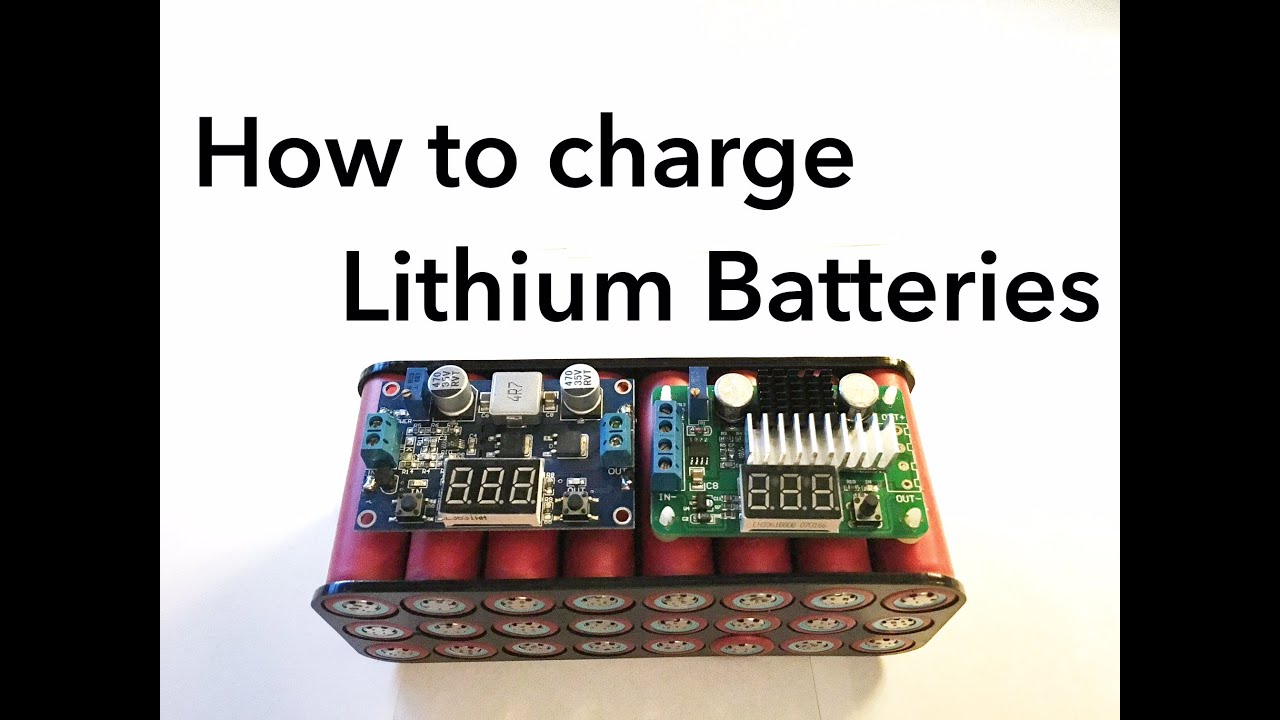
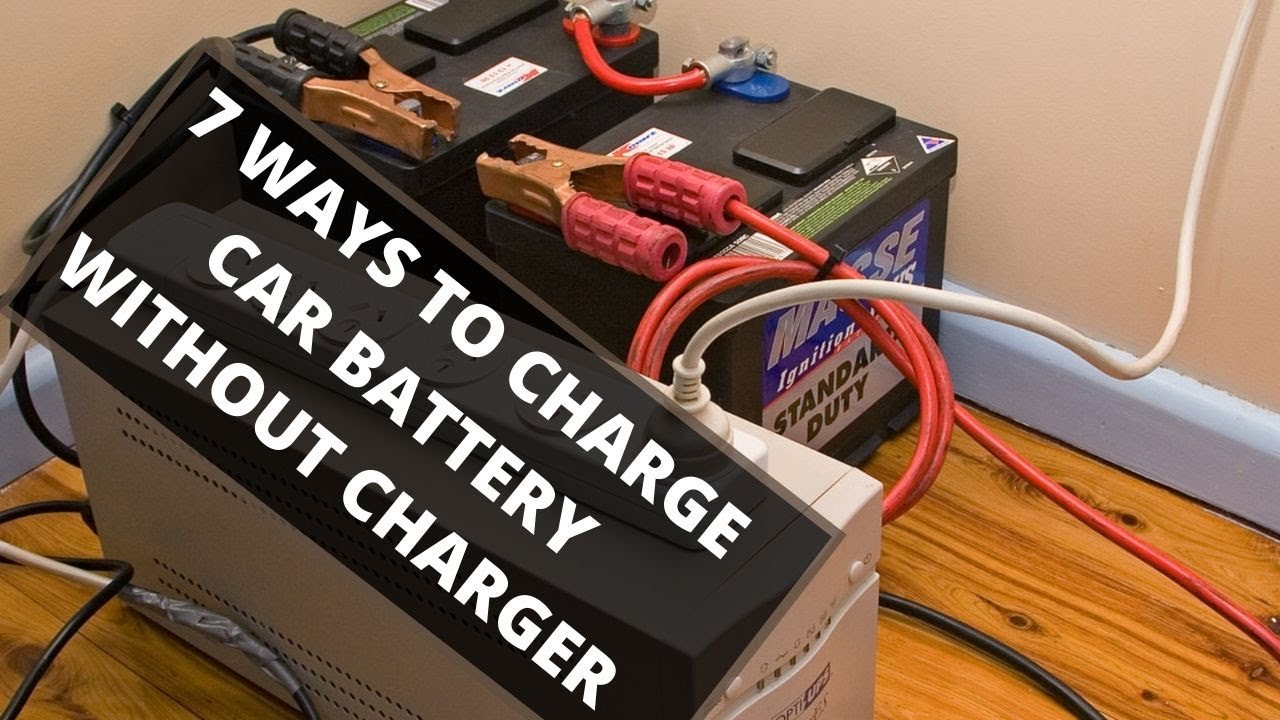
One approach is using a bench power supply. If you have access to one, you can carefully set the voltage and current to match the battery's specifications (check the battery label!). Connect the positive and negative terminals correctly, and monitor the charging process closely. Don't exceed the recommended charging voltage. Another method, though less reliable, involves using another battery with a similar voltage (like a 12V car battery to charge a smaller 12V lithium battery), along with a current-limiting resistor. This is a much riskier approach and requires a strong understanding of electronics. There are also specialized battery charging modules (like TP4056 modules) that can be connected to a USB power source and provide a controlled charging environment.
So, how can you enjoy this knowledge (and practice these methods, if absolutely necessary) more effectively? First, always prioritize safety. Research the specific battery you're dealing with – its voltage, current rating, and charging requirements. Invest in a multimeter to accurately measure voltage and current. Use a current-limiting resistor to prevent overcharging. Monitor the battery's temperature during charging; if it gets excessively hot, disconnect it immediately. And, most importantly, never leave a battery charging unattended using these alternative methods. It's also wise to practice on an older, less valuable battery before attempting to charge your primary devices. Understanding the fundamentals of electronics and battery safety is essential before attempting these methods. Ultimately, while knowing how to charge a lithium battery without a charger is a valuable skill, remember that prevention (keeping your charger handy!) is always the best medicine.