How To Charge Li Ion Battery Without Charger
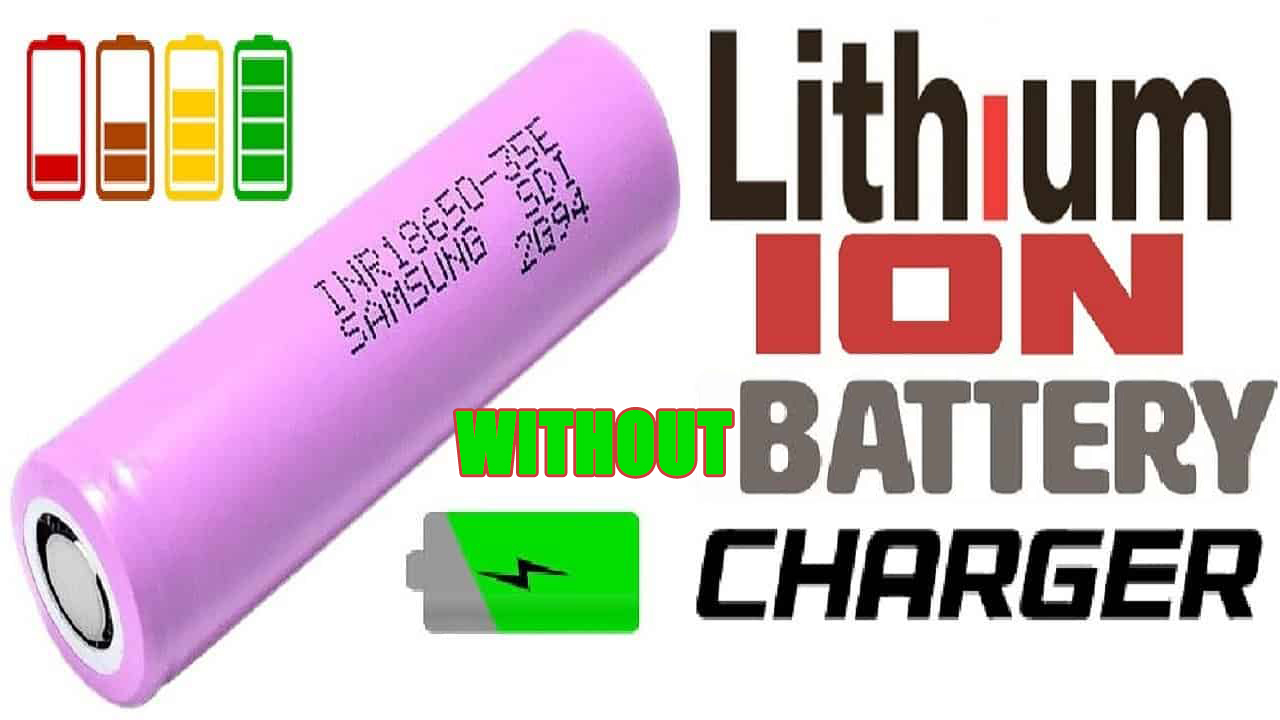
Let's face it, we've all been there. You're ready to binge-watch your favorite show, capture that perfect sunset photo, or finish that crucial work document, only to be greeted by the dreaded low battery warning. And to add insult to injury, your charger is nowhere to be found! Panic sets in, right? But fear not! Knowing how to charge a Li-ion battery without its dedicated charger is a super useful trick, potentially saving the day (and your sanity). It's like having a secret battery-boosting superpower!
So, why would you want to know this? Well, besides the obvious "lost charger" scenario, you might be in a situation where the charger is broken, inaccessible, or you simply want to understand the inner workings of your devices. Think of it as a backup plan, a bit of tech survival knowledge that can be surprisingly handy. This knowledge isn't just about avoiding a dead battery; it's about understanding battery safety and respecting electrical components.
Before we dive in, a vital disclaimer: Messing with batteries can be risky if you're not careful. Li-ion batteries can be dangerous if mishandled, potentially leading to overheating, fire, or even explosion. Always prioritize safety. If you're unsure about anything, it's always best to err on the side of caution and find a proper charger.
Must Read
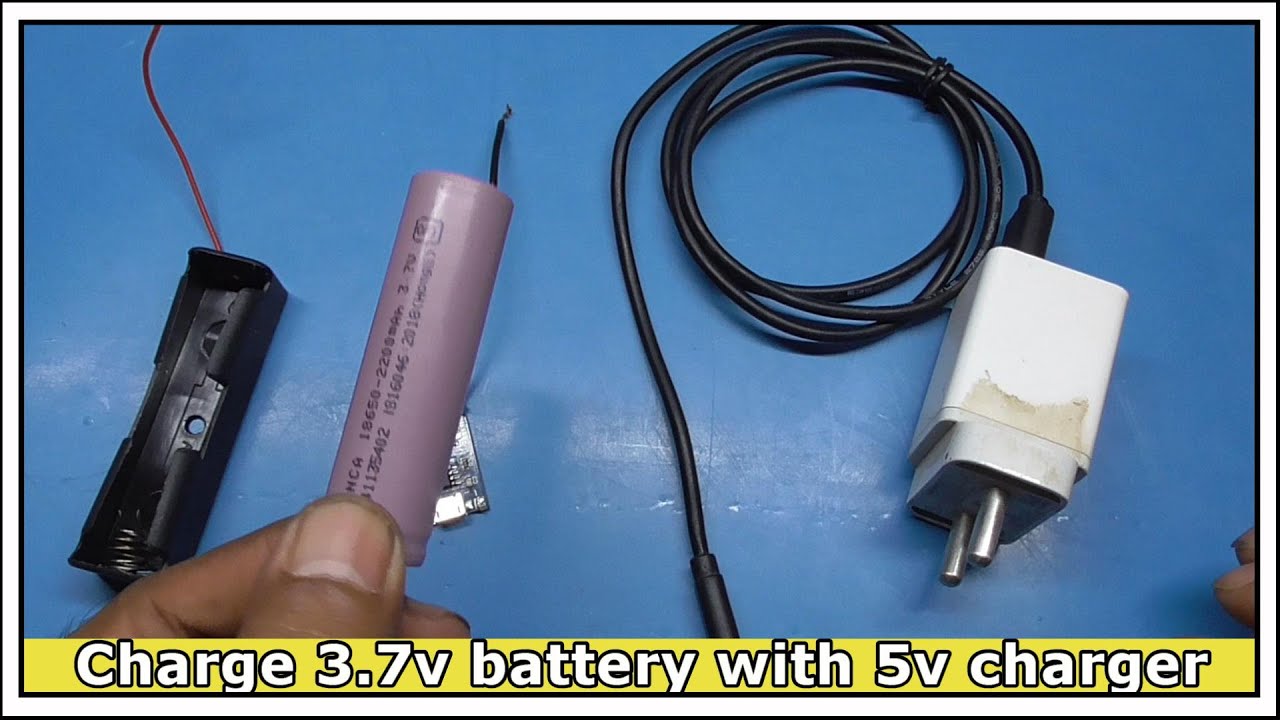
Okay, disclaimer aside, let's look at a few ways to cautiously attempt this. One popular method involves using a USB cable and a power source like a computer or power bank. The key here is to ensure the voltage is compatible. Most Li-ion batteries operate at 3.7V, and USB ports typically supply 5V. Connecting directly could damage the battery. You'd need to carefully and precisely regulate the voltage, which is beyond the scope of a simple, charger-less solution. Do not attempt to directly connect the battery to a USB port.
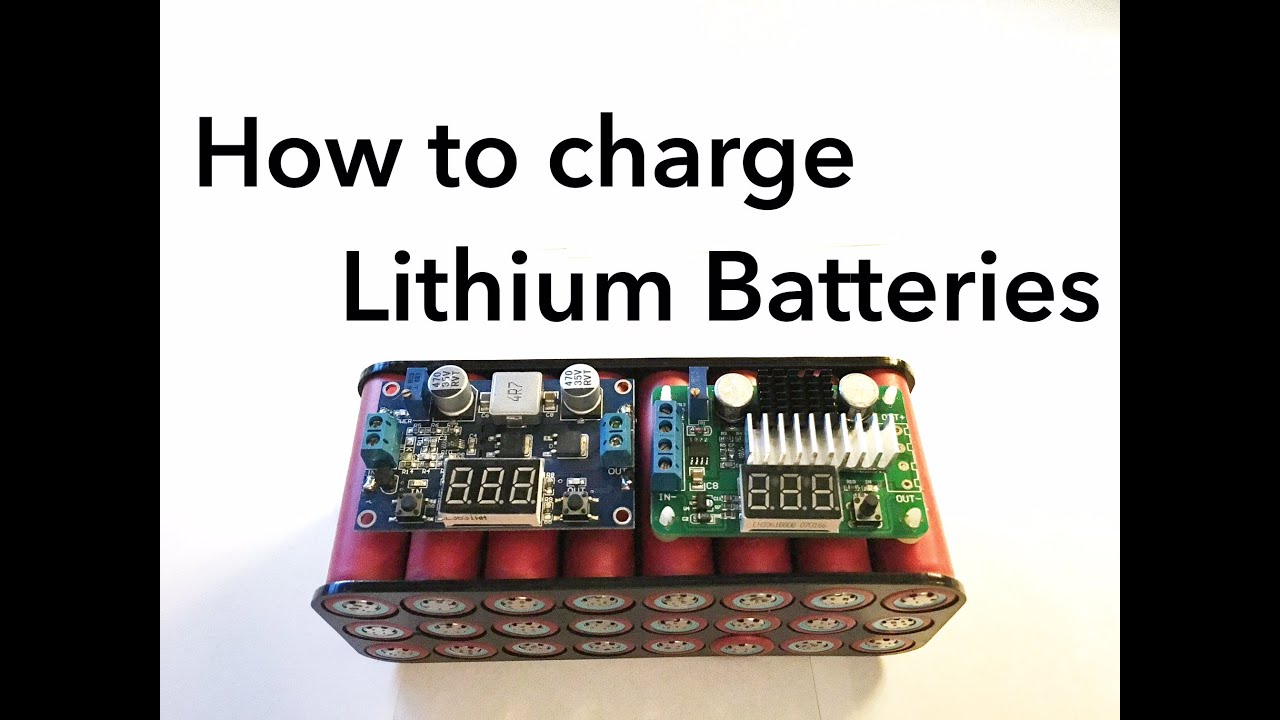
Another, slightly more advanced method (again, with extreme caution) involves using a bench power supply. These adjustable power supplies allow you to carefully control the voltage and current delivered to the battery. You'd set the voltage to the battery's rated voltage (usually 3.7V or 4.2V), and the current to a safe charging current (check the battery's specifications – usually a C-rate of 0.5C or 1C, meaning half or equal to the battery's capacity). Again, monitor the battery closely for any signs of overheating or swelling.
While these methods are technically possible, they are not recommended for the average user. They require a good understanding of electronics and battery safety. A much safer and more practical approach is to invest in a universal charger specifically designed for Li-ion batteries. These chargers typically have built-in safety features and automatic shut-off to prevent overcharging. They are relatively inexpensive and provide a much more reliable and safe way to charge your batteries without the original charger.
Ultimately, while the idea of charging a Li-ion battery without a charger might seem like a cool trick, the risks often outweigh the rewards. Understanding the principles is interesting, but for everyday use, sticking to safe and approved charging methods is always the best policy. Keep those batteries (and yourself!) safe!