How To Charge Car Battery With Home Electricity
Let's face it, discovering your car battery is dead is about as fun as a flat tire on a rainy day. But fear not, intrepid motorist! While a jump start is often the go-to solution, knowing how to charge your car battery with home electricity is a fantastic skill to have. Think of it as your own personal automotive superpower – the ability to resurrect your ride from the comfort of your garage. It's practical, potentially saves you money, and offers a satisfying sense of self-reliance. So, let’s dive into the surprisingly simple world of charging your car battery at home!
The primary purpose of charging your car battery is, well, to recharge it! Over time, car batteries lose their charge, especially if the car sits unused for extended periods, or if you frequently make short trips that don't allow the alternator to fully replenish the battery. Leaving your lights on accidentally (we've all been there!) can also drain the battery. By charging it, you're essentially giving it a new lease on life, ensuring your car starts reliably when you need it most.
The benefits are numerous. Firstly, you avoid the expense and hassle of calling a tow truck or roadside assistance. Secondly, you gain valuable knowledge and independence. You'll be able to handle a dead battery situation yourself, feeling like a true automotive MacGyver! Finally, regularly charging your battery can extend its lifespan. Think of it as preventative maintenance, keeping your battery healthy and happy for longer.
Must Read
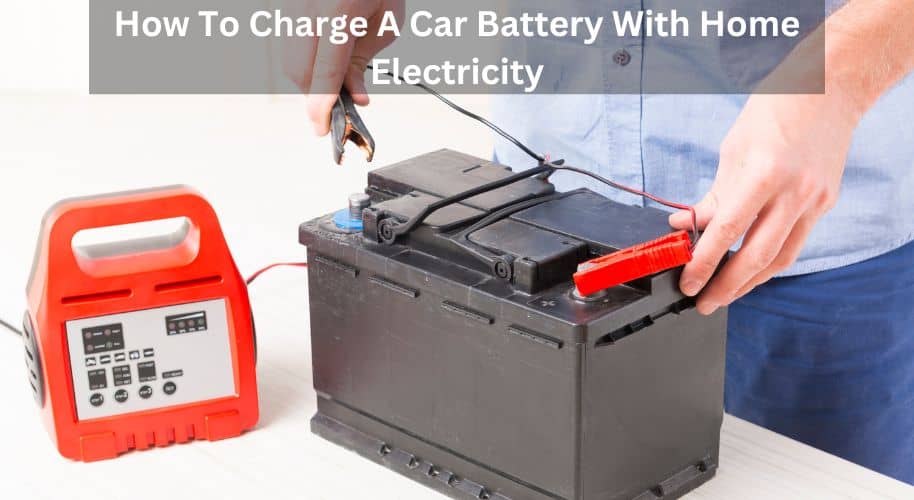
Now, for the how-to! You'll need a few things: a battery charger (specifically designed for car batteries – not your phone charger!), safety glasses, and potentially some gloves. Ensure your car is parked in a well-ventilated area. Open the hood and locate your battery. It usually has a plus (+) and a minus (-) terminal. Before you do anything, read the instructions that came with your battery charger! Seriously, it's important.
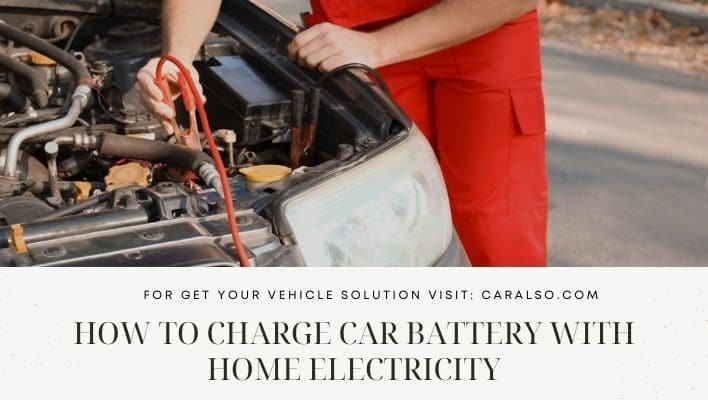
Once you're familiar with the charger's operation, disconnect the battery cables from the terminals. Always disconnect the negative (-) cable first, followed by the positive (+) cable. This prevents accidental short circuits. Next, attach the charger cables to the corresponding battery terminals: red (positive) to the positive terminal and black (negative) to the negative terminal. Make sure the connections are secure.

Plug the battery charger into a standard home electrical outlet. Select the appropriate charging rate. Most chargers have settings for slow charging (typically 2 amps) and faster charging (10 amps or higher). Slow charging is generally recommended as it's gentler on the battery. Turn on the charger and let it do its thing. The charging time will vary depending on the battery's condition and the charging rate. Consult your charger's manual for estimated charging times.
Once the battery is charged (the charger will usually indicate when it's done), turn off the charger and unplug it. Disconnect the charger cables from the battery terminals, reversing the connection order (positive first, then negative). Reconnect the battery cables to the car, again negative last. And that's it! You've successfully charged your car battery with home electricity. Give your car a start and enjoy the sweet sound of a running engine. Remember to always prioritize safety and consult your car's owner's manual or a qualified mechanic if you have any doubts or concerns. Happy motoring!