
How To Charge A Completely Dead Car Battery
Okay, so picture this: You're running late. Like, really late. You're picturing your boss's face as you stroll in, coffee-less and apologetic. You jump in your car, turn the key… and… nothing. Nada. Zilch. Just that ominous click-click-click. Your car battery is flatter than a pancake on a steamroller.
We've all been there, haven't we? It's right up there with accidentally liking your ex's honeymoon photos on Instagram - a universal moment of "Ugh, this is happening to me?"
But don't panic! It's not the end of the world (or your job). A completely dead car battery is annoying, sure, but it's usually fixable. And guess what? You can probably fix it yourself. Think of it as a chance to unleash your inner MacGyver (minus the Swiss Army knife and the ticking time bomb).
Must Read
Why Bother Charging It Yourself?
Good question! Why not just call a tow truck and let someone else deal with it? Well, for starters, it'll save you money. Tow trucks aren't cheap. Plus, learning to jump-start or charge your own battery is like adding another superpower to your repertoire. Imagine the bragging rights! "Oh, you need a jump? No problem, I'm practically a battery whisperer." Okay, maybe don't actually say that, but you get the idea.
More importantly, knowing how to handle a dead battery can get you out of a jam when you're stranded somewhere. Maybe you're in a parking lot late at night, or out in the boonies with spotty cell service. Knowing you can handle the situation yourself is a huge confidence booster.

The Two Main Methods: Jumper Cables & Battery Charger
There are two main ways to revive that lifeless battery: using jumper cables and another car, or using a dedicated battery charger. Let's break them down.
Method 1: The Jumper Cable Tango (aka Jump Starting)
This is probably the method you're most familiar with. You need another car with a good battery and a set of jumper cables. Think of it as a battery transfusion, one car sharing its life force with another.
Safety First! Make sure both cars are turned off, and ideally parked close together but not touching. Locate the positive (+) and negative (-) terminals on both batteries. They're usually marked clearly, but if you're unsure, consult your car's owner's manual.

Now comes the "tango":
- Attach the red (positive) clamp to the positive (+) terminal of the dead battery.
- Attach the other red clamp to the positive (+) terminal of the good battery.
- Attach the black (negative) clamp to the negative (-) terminal of the good battery.
- Attach the final black clamp to a clean, unpainted metal surface on the dead car's engine block – not to the negative terminal of the dead battery itself. This is important for safety!
Once everything is connected, start the good car and let it run for a few minutes. Then, try starting the dead car. If it starts, great! Let it run for a while to recharge the battery. If it doesn't start, double-check your connections and try again. If it still doesn't start after a few tries, you might have a more serious problem.

Important: Once the dead car is running, carefully remove the jumper cables in the reverse order you connected them.
Method 2: The Battery Charger Savior
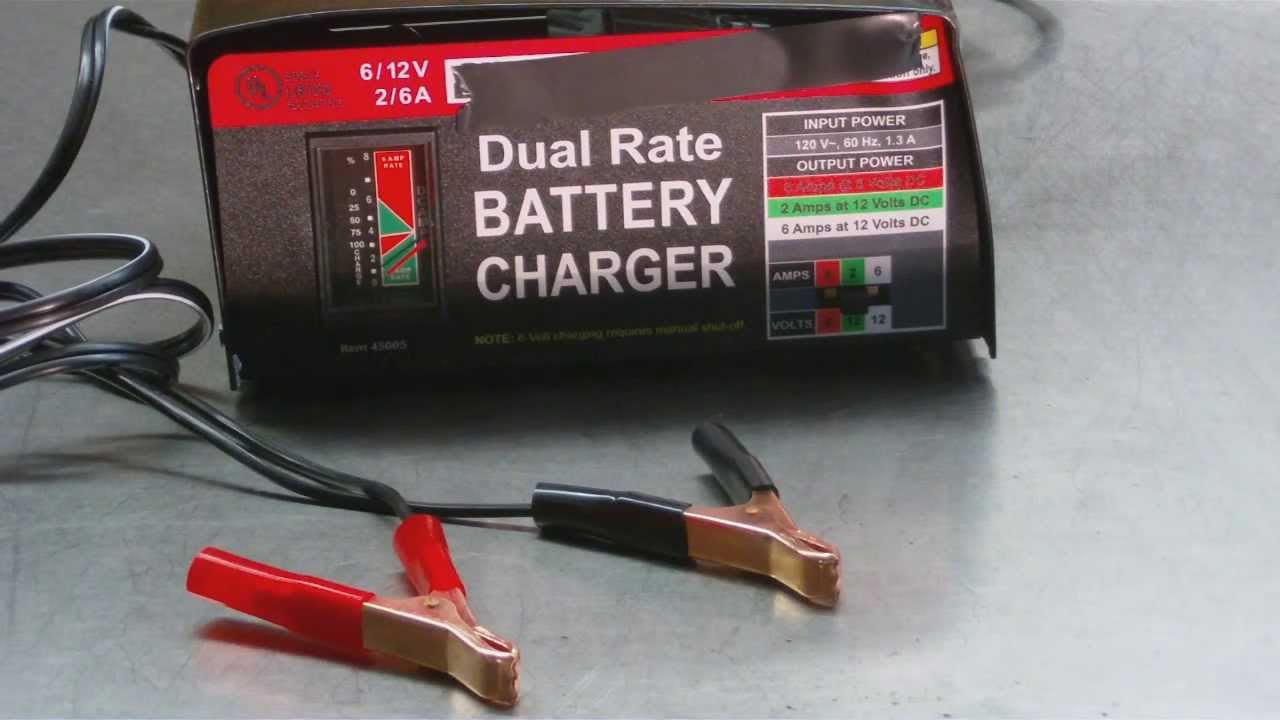
A battery charger is a dedicated device that slowly recharges your battery over time. It's a gentler approach than jump-starting and can be more effective for a completely dead battery.
Again, safety first! Disconnect the battery cables from your car's battery. This is crucial! Then, connect the charger's positive (+) clamp to the battery's positive (+) terminal, and the charger's negative (-) clamp to the battery's negative (-) terminal. Plug the charger into a power outlet and set it to the appropriate charging rate (usually a low setting for a completely dead battery). Refer to the charger's instructions for specific details.

Charging can take several hours, or even overnight. Once the battery is charged, disconnect the charger, reconnect the battery cables to your car, and you should be good to go!
Prevention is Better Than Cure (or, How to Avoid Battery Meltdowns)
Of course, the best way to deal with a dead battery is to prevent it in the first place. Here are a few tips:
- Don't leave your lights on! This is the classic battery killer.
- Get your battery tested regularly. Most auto parts stores offer free battery testing.
- If your battery is old (3-5 years), consider replacing it. Batteries don't last forever.
- Avoid short trips. Short trips don't give your battery enough time to recharge.
- Clean your battery terminals. Corrosion can interfere with battery performance.
So there you have it! Charging a dead car battery might seem intimidating, but it's actually a pretty straightforward process. With a little know-how and the right tools, you can save yourself time, money, and a whole lot of frustration. Now go forth and conquer those dead batteries!