
How To Charge A Ac System In Car

Ever hopped into your car on a scorching summer day, turned on the AC, and felt… well, a bit of a letdown? That weak, lukewarm puff of air that promises relief but delivers only disappointment? It’s a common automotive sigh, often leading us to wonder if our car’s internal climate control system has simply given up the ghost.
But what if I told you that sometimes, the fix isn't some complex, expensive repair, but a surprisingly accessible bit of automotive TLC? We're talking about recharging your car's AC system. It sounds a bit like an arcane ritual performed only by seasoned mechanics, right? Well, let's peel back the curtain a little and see why it's not only interesting but potentially something you could get your head around!
The Mystery of the Missing Coolness
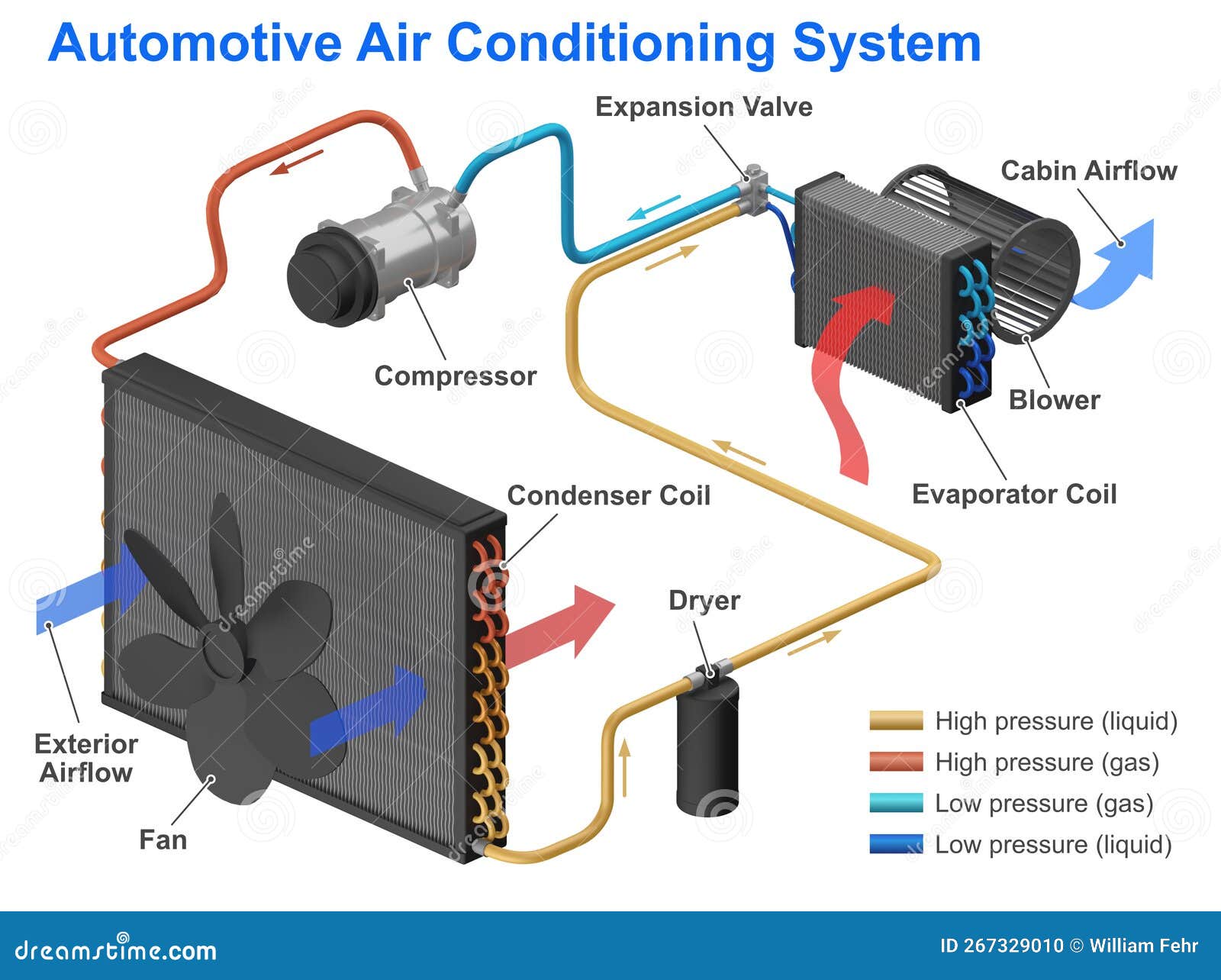
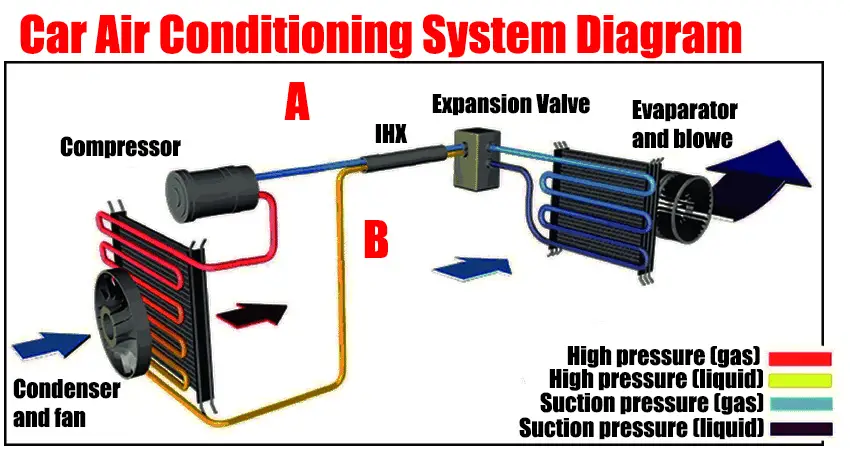
Think of your car's AC system like a miniature, super-efficient refrigerator on wheels. And what makes a refrigerator cold? A special fluid called refrigerant (often referred to as Freon, though that's a brand name for a type of refrigerant). This isn't just regular air; it's a specific chemical compound designed to cycle through phases, absorbing heat from your car's cabin and expelling it outside. Pretty clever, huh?
Must Read
So, if your AC isn't blowing cold, one of the most common culprits is simply a low level of this magical refrigerant. Does it just evaporate into thin air? Not quite like water in a kettle, but… close enough for our purposes. AC systems aren't perfectly sealed. Over time, tiny, minuscule leaks can allow a bit of that refrigerant to escape. It's not usually a catastrophic burst, but a slow, gradual decline, like a balloon slowly deflating over weeks.
When the refrigerant level gets too low, the system can't cycle efficiently, and suddenly, your car feels less like an icebox and more like… well, just a hot box. And nobody wants that!
Why It's Kinda Cool to Understand This
There's something undeniably satisfying about taking a bit of your car’s destiny into your own hands. Understanding that your AC isn't just "broken," but might just be "thirsty" for more refrigerant, feels like unlocking a little secret. It's a peek behind the automotive curtain, revealing that some perceived complexities are actually quite logical.
Plus, let's be honest, getting into a car with blissfully cold air blasting out when it’s 90 degrees outside? That’s not just comfortable, that’s a small victory. And knowing you played a part in making it happen? Even better!
So, How Does One "Charge" It?
This is where it gets interesting, because modern AC recharge kits have made the process surprisingly accessible for the average curious car owner. You don't need a degree in thermodynamics! These kits usually come with a can of refrigerant and a hose with a gauge attached.
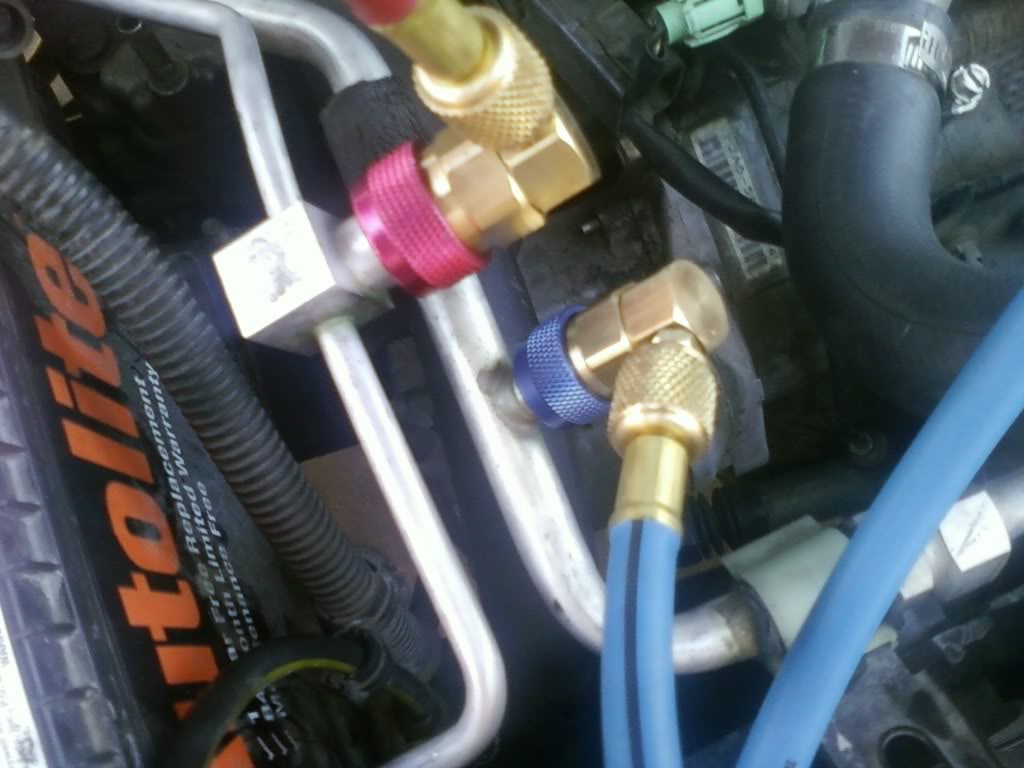
The basic idea is to connect this hose to a specific port on your car's AC system (don't worry, it's usually clearly marked and uniquely sized so you can't accidentally connect it to the wrong spot). Then, you start your car, turn on the AC to max cold, and slowly add the refrigerant while monitoring the pressure gauge. The gauge tells you if the system is low, at the right level, or overfilled. It’s like filling a tire, but for your car's coolness factor!

You'll often hear the AC compressor (the heart of the system) kick on more consistently as the refrigerant level rises. That's the sound of your car getting its chill back! It’s a bit of automotive alchemy, watching that needle rise and feeling the air from the vents get progressively colder.
But Wait, There's a Caveat (Always!)
While recharging your AC can be a rewarding DIY task, it’s important to remember that it’s not always the solution. If your AC system has a large leak, or if the compressor itself is faulty, adding refrigerant is like putting a band-aid on a gushing wound. It might work for a day or two, but the problem will return.
That's why these kits are usually for situations where the AC has slowly gotten weaker over time, indicating a minor leak or just natural permeation. If your AC stopped working overnight, or you hear strange noises when you turn it on, that's when you absolutely call in the experts. They have specialized tools to find bigger leaks, evacuate the system safely, and perform more complex repairs.
The Takeaway: Knowledge is Power (and Coolness!)
Understanding how your car’s AC works, even at a basic level, demystifies a part of your vehicle that often feels like black magic. It transforms a frustrating problem into a potentially solvable puzzle. It shows that cars, while complex, are built on logical principles that a curious mind can grasp.
So, the next time your car feels like an oven on wheels, consider the simple, elegant dance of the refrigerant. It might just need a little top-up, and you, my friend, could be the one to give it that refreshing drink. And then, enjoy that blast of beautifully cold air – you’ve earned it!