
How To Change Dc To Ac Circuit
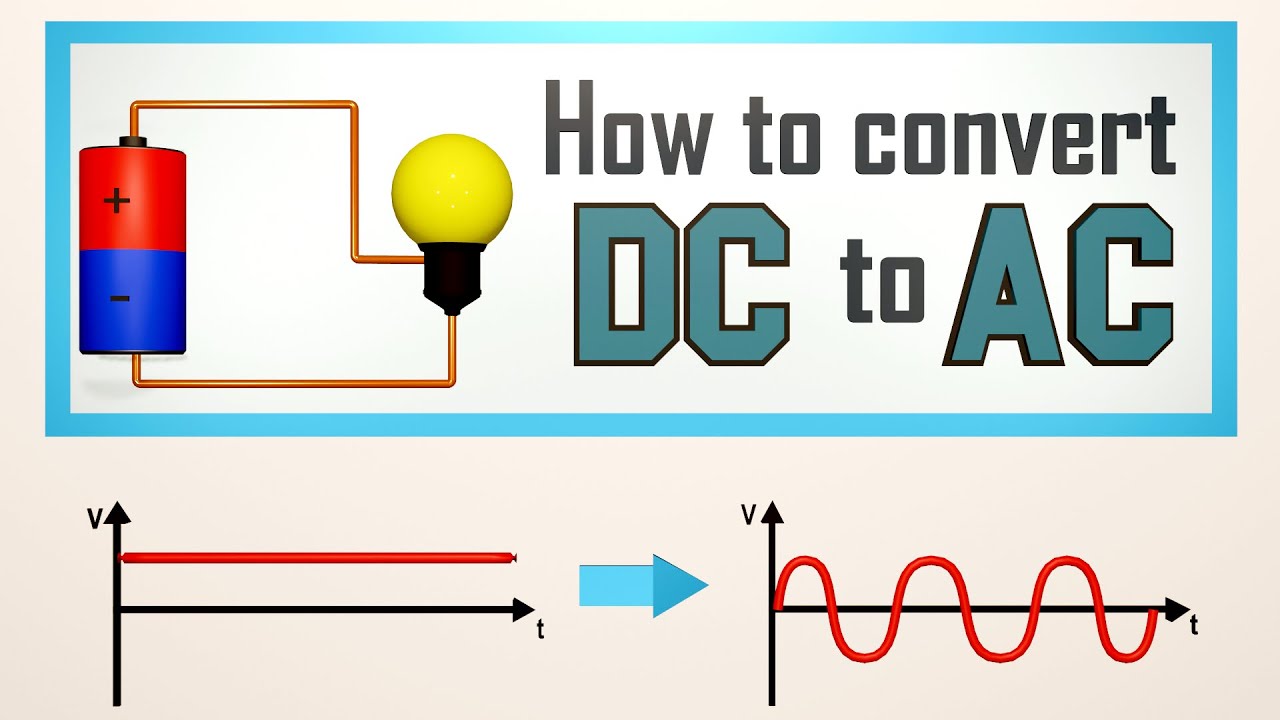
Ever found yourself in a cozy corner of your car, maybe at a picturesque campsite or even during a pesky power outage, wishing you could just plug in your laptop or that tiny string of fairy lights? You’ve got your car battery – a powerhouse of energy – but your gadgets demand a different kind of juice. Welcome to the wonderful world of converting Direct Current (DC) to Alternating Current (AC)! It sounds like a wizard's spell, but trust us, it's far more accessible than deciphering ancient runes.
Think of it as the ultimate flexibility hack for your energy needs, turning a static power source into a versatile one that can run almost anything you desire. Ready to unlock this superpower?
The Great Divide: DC vs. AC (The Super Simple Version)
Let's demystify the alphabet soup for a sec. Imagine electricity as water flowing through pipes. Direct Current (DC) is like water flowing steadily in one direction – think of a river. This is the kind of power you get from batteries: your car battery, AA batteries, the power pack for your laptop, or even solar panels. It’s consistent and reliable for its direct purpose.
Must Read
Now, Alternating Current (AC) is like water sloshing back and forth, changing direction many times per second. This is the power that comes out of your wall outlets at home – the standard grid power. Most household appliances, from your coffee maker to your TV, are designed to run on AC. It’s incredibly efficient for transmitting power over long distances, which is why it became the global standard for power grids, thanks to visionaries like Nikola Tesla (pitting him famously against Thomas Edison and his DC advocacy in the "War of the Currents" – a truly electric historical saga!).
Why Make the Switch? Your Freedom Pass to Power!
So, why would you, a savvy, modern individual, want to bridge this current chasm? The reasons are as varied as your weekend plans:
- On-the-Go Gadgets: Charging laptops, cameras, or even running a mini-fridge in your car, RV, or van. Hello, #vanlife dreams!
- Outdoor Adventures: Powering lights, small cooking appliances, or entertainment systems while camping or tailgating, far from any wall outlet.
- Emergency Preparedness: During a power outage, your car battery or a dedicated deep-cycle battery can become a temporary lifeline for essential electronics.
- Sustainable Living: For solar panel users, the DC generated by the panels often needs to be converted to AC to power standard home appliances.
It’s all about taking the power you have (DC) and making it compatible with the devices you want to use (AC).
Meet Your Hero: The Power Inverter
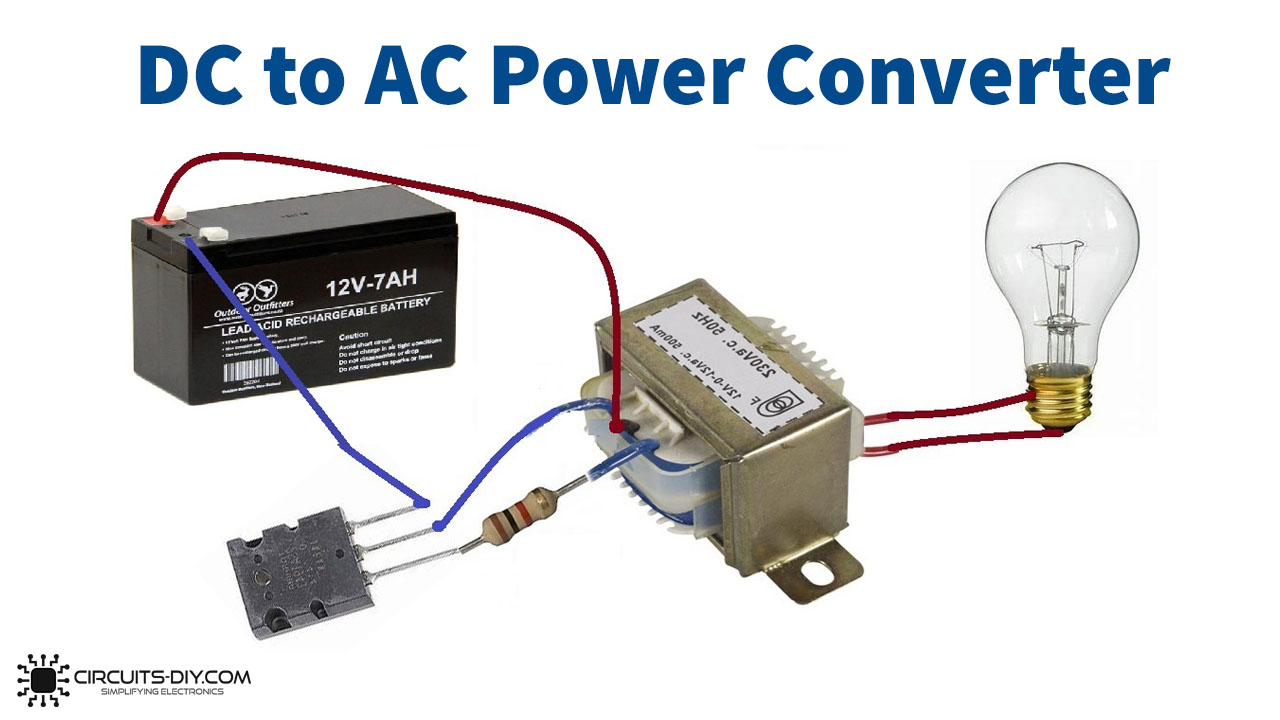
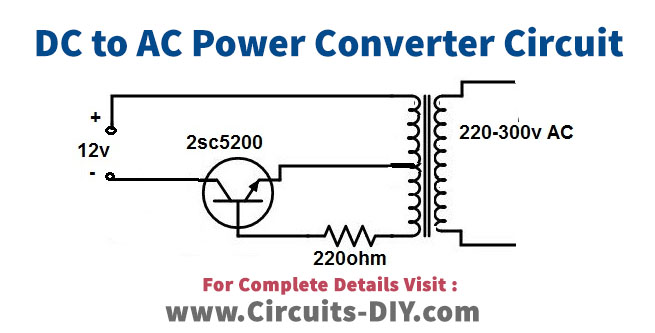
The star of our show, the device that performs this magic trick, is aptly named a power inverter. Simply put, an inverter takes DC power from a battery and transforms it into AC power, allowing you to plug in your everyday AC-powered devices. It's like a universal translator for electricity!
You’ve probably seen small ones that plug into your car’s cigarette lighter socket – perfect for charging a phone or a small laptop. But they come in all shapes and sizes, from compact units to hefty ones capable of powering multiple major appliances.
Choosing Your Perfect Power Pal: Practical Tips
Ready to get one? Here’s what to keep in mind:

- Wattage Matters: First, check the total wattage of the devices you plan to power simultaneously. Your inverter needs to have a continuous wattage rating that exceeds this sum. It's always a good idea to leave a little headroom!
- Pure Sine Wave vs. Modified Sine Wave: This is where it gets a tiny bit technical, but it’s important.
- Pure Sine Wave Inverters: These produce AC power that's virtually identical to what you get from your wall outlet. They are ideal and often necessary for sensitive electronics like laptops, medical equipment, and anything with a motor (refrigerators, microwaves) to prevent damage and ensure smooth operation. Think of it as premium, clean power.
- Modified Sine Wave Inverters: These are more budget-friendly and fine for less sensitive electronics like older phone chargers, lights, or basic tools. However, they can cause some appliances to run inefficiently, make buzzing noises, or even potentially damage certain sensitive devices over time. If in doubt, go for pure sine wave.
- Input Voltage: Most common inverters are 12V DC, designed for standard car batteries. Larger systems (like RVs or solar setups) might use 24V or 48V DC, so match your inverter to your battery bank's voltage.
- Safety First: Always choose an inverter with built-in safety features like overload protection, over-temperature protection, and low-voltage shutdown. And always read the manual!
Putting It Into Practice (The Quick How-To)
Once you have your inverter, the process is straightforward:
- Connect to DC Source: Attach the inverter's input cables (usually red and black) to your DC power source (like a car battery). Red to positive (+), Black to negative (-). Ensure a secure connection.
- Power On: Turn on the inverter.
- Plug It In: Plug your AC appliances into the inverter's outlets. That's it!
Remember, while your car battery is robust, it's not designed for deep cycling (repeatedly discharging deeply). Use it sparingly for powering many devices, or consider a dedicated deep-cycle battery for prolonged use.
A Little Reflection on Adaptability
Learning how to convert DC to AC isn't just about technical know-how; it's about embracing adaptability. It’s about taking what you have and transforming it into what you need, making your resources more versatile and capable. In a world that often demands flexibility, understanding how to 'switch currents' in your power supply – or your mindset – gives you an incredible sense of freedom and preparedness. So go forth, embrace the power of transformation, and keep those gadgets humming, wherever life takes you!
