
How To Change An Hvac Filter
Unmasking the Unsung Hero: Why Your HVAC Filter Deserves a Little Love (And How to Give It!)
Ever peeked behind the curtain of your home’s comfort system? You know, the mystical contraption that blesses you with cool air when the sun’s blazing and a warm hug when winter bites? It’s your HVAC, of course! But nestled within its hardworking guts is a quiet, unassuming hero that rarely gets the spotlight: your HVAC filter.
Think of it like this: if your home were a living, breathing entity, your HVAC system would be its lungs. And the filter? Well, that’s the super important mask it wears every single day. A mask that tirelessly catches all sorts of stuff so your home (and you!) can breathe easier. Pretty cool, right?
Now, I know what you might be thinking: "Changing a filter? How exciting can that be?" And to that, I say: way more exciting than you think! Because this isn’t just about swapping out a dusty square. It’s about unlocking cleaner air, saving energy, and giving your expensive HVAC system a longer, happier life. It’s a small act with a huge ripple effect.
Must Read
Why We Even Care (Beyond Just "Because")
Let's get real. Nobody wakes up thrilled about HVAC maintenance. But understanding the "why" makes all the difference. Imagine trying to run a marathon while breathing through a thick, fuzzy blanket. Tough, right? That’s kind of what your HVAC system goes through with a clogged, forgotten filter.
First off, there’s the air you breathe. Your filter is a bouncer for all the airborne nasties trying to crash your indoor party: dust, pet dander, pollen, mold spores, and other microscopic mischief-makers. A fresh filter is like a superhero force field, actively catching these villains before they settle on your furniture or, worse, in your lungs. So, if you or anyone in your household suffers from allergies or just appreciates genuinely clean air, this is your secret weapon.

Then there’s your wallet. A dirty filter forces your HVAC system to work much harder to push air through its clogged pathways. This extra effort means it’s consuming more energy, which translates directly into higher electricity bills. Think of it as driving your car with a partially blocked exhaust pipe – it’s less efficient and straining the engine. A clean filter allows your system to run smoothly, like a well-oiled machine, saving you precious dollars every month.
And finally, the longevity of your system. Your HVAC is a significant investment. A neglected filter can lead to reduced airflow, overheating, and ultimately, premature wear and tear on vital components. Replacing it regularly is like giving your system a spa day, ensuring it operates at peak performance and doesn't get stressed out. It's preventative care that can save you from a much larger, more expensive repair down the line.
The "Oh, Is That All?" Moment: Finding Your Filter
Okay, convinced that this humble filter is a big deal? Great! Now for the fun part: finding it. Don't worry, it's not usually hiding in a secret lair. Most HVAC filters are located in one of two places:

- At the furnace or air handler: This is the most common spot. Look for a slot or a small door near where the large return air duct enters the unit.
- Behind a large return air vent: Sometimes, especially in older homes, the filter might be located in a large grille on a wall or ceiling.
Once you’ve spotted it, you’ll usually see a size printed right on the frame of the old filter. Something like 20x25x1 or 16x20x1. This is your golden ticket – write it down or snap a photo!
Decoding the Secret Language: Filter Size and MERV
Armed with your filter's dimensions, you're halfway there! But there’s one more cool tidbit to know: the MERV rating. MERV stands for Minimum Efficiency Reporting Value, and it essentially tells you how good your filter is at catching tiny particles.
MERV ratings typically range from 1 to 20. A higher number means the filter catches smaller particles more effectively. For most residential homes, a MERV rating between 8 and 11 is usually perfect. It strikes a great balance between excellent air filtration and not putting too much strain on your HVAC system.

Be careful not to go too high! While a MERV 13 or 16 might sound amazing, a filter that's too restrictive for your specific system can actually reduce airflow and make your unit work harder, defeating the purpose. It's like trying to drink a thick milkshake through a tiny coffee stirrer – not efficient! So, stick to what’s recommended for your system, or aim for that sweet spot of 8-11 for a healthy balance.
The Grand Swap: Your Moment in the Sun
Ready to be a home maintenance superstar? Let's do this! Here’s the super simple, step-by-step guide:
- Power Down: First things first, head to your thermostat and set your system to "off." Better safe than sorry when dealing with mechanical beasts.
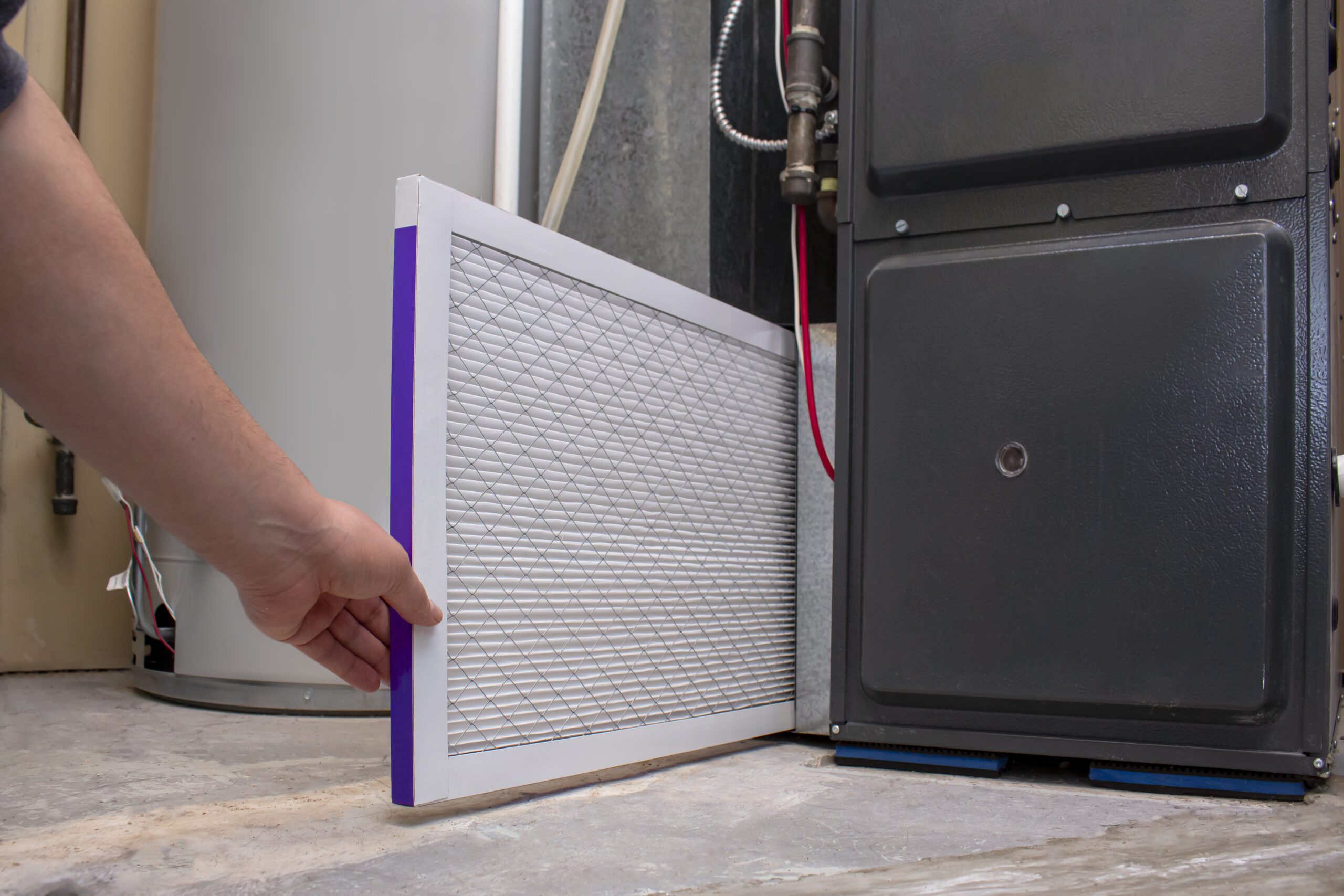
- Locate and Remove: Find that dusty old filter. There's usually a simple latch or clip to open, or it just slides out. Take note of the little arrow on its frame – this indicates the direction of airflow.
- Admire (or Cringe at) the Dirt: Hold up the old filter. You might be shocked (or even a little proud of its hard work) at how much crud it collected. Compare it to your sparkling new one. Satisfaction guaranteed!
- Insert the New Guard: Grab your fresh filter. Make sure the arrow on its frame is pointing in the same direction as the old one, which is typically towards the furnace or air handler. Slide it in smoothly until it's snug.
- Power Up: Close any latches or doors, then head back to your thermostat and turn your system back on.
Boom! You’re done. That’s it! Pat yourself on the back. You've just performed a vital act of home maintenance that took mere minutes.
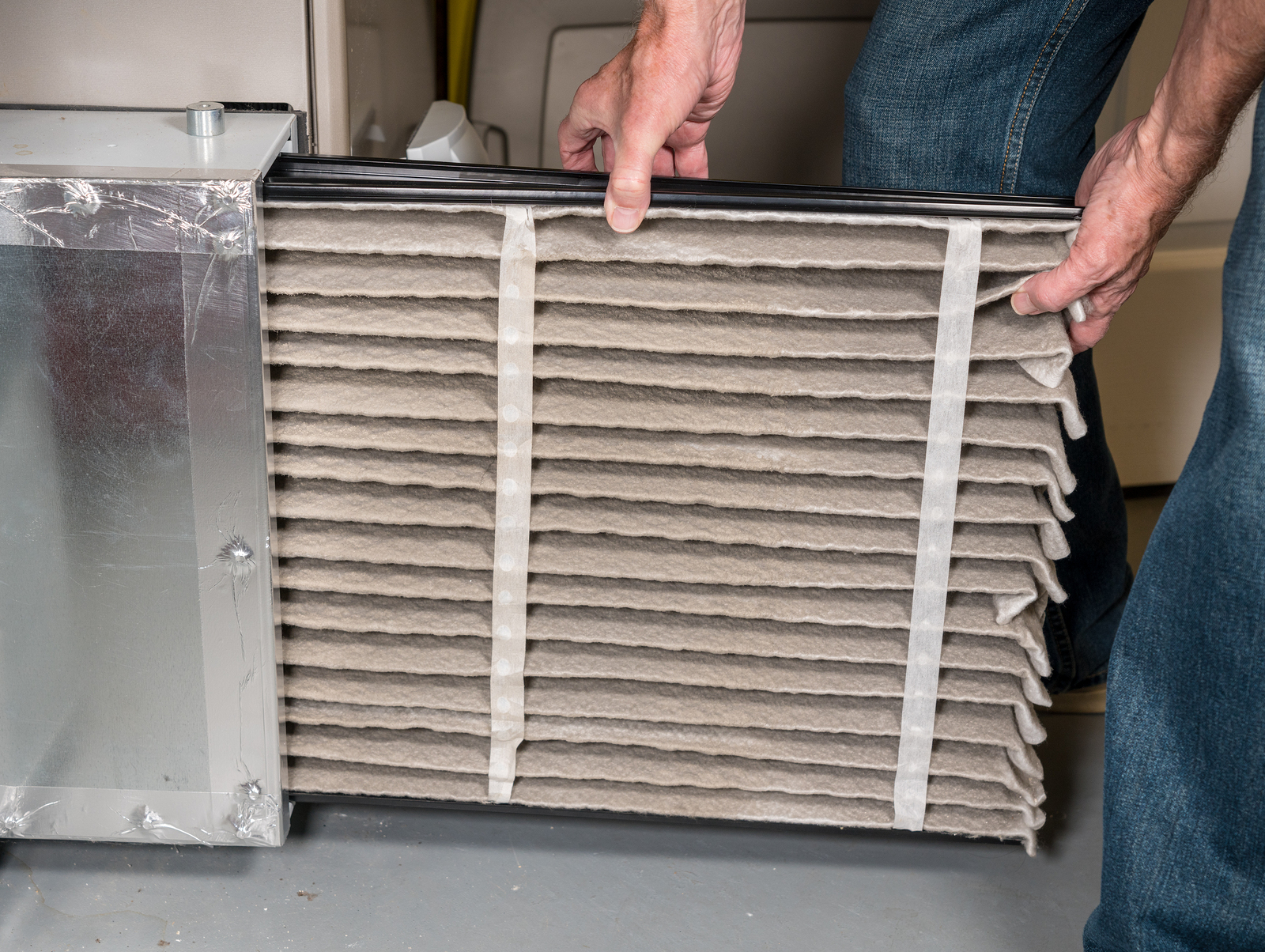
The "Before & After" Satisfaction
The best part? You'll probably notice the difference almost immediately. Your system might run a little quieter, and the air just feels... fresher. It’s a wonderful, subtle change that comes from knowing you’ve given your home’s "lungs" a clean, clear path to breathe.
So, how often should you do this? Most experts recommend checking your filter monthly and replacing it every 1-3 months, depending on factors like pets, allergies, and how often your system runs. Mark it on your calendar, set a phone reminder – whatever works for you!
See? Changing your HVAC filter isn't some daunting chore; it's a simple, impactful ritual that keeps your home healthier, your energy bills lower, and your HVAC system humming happily for years to come. Go on, give your home the fresh air it deserves!