
How To Catch Bass In A River
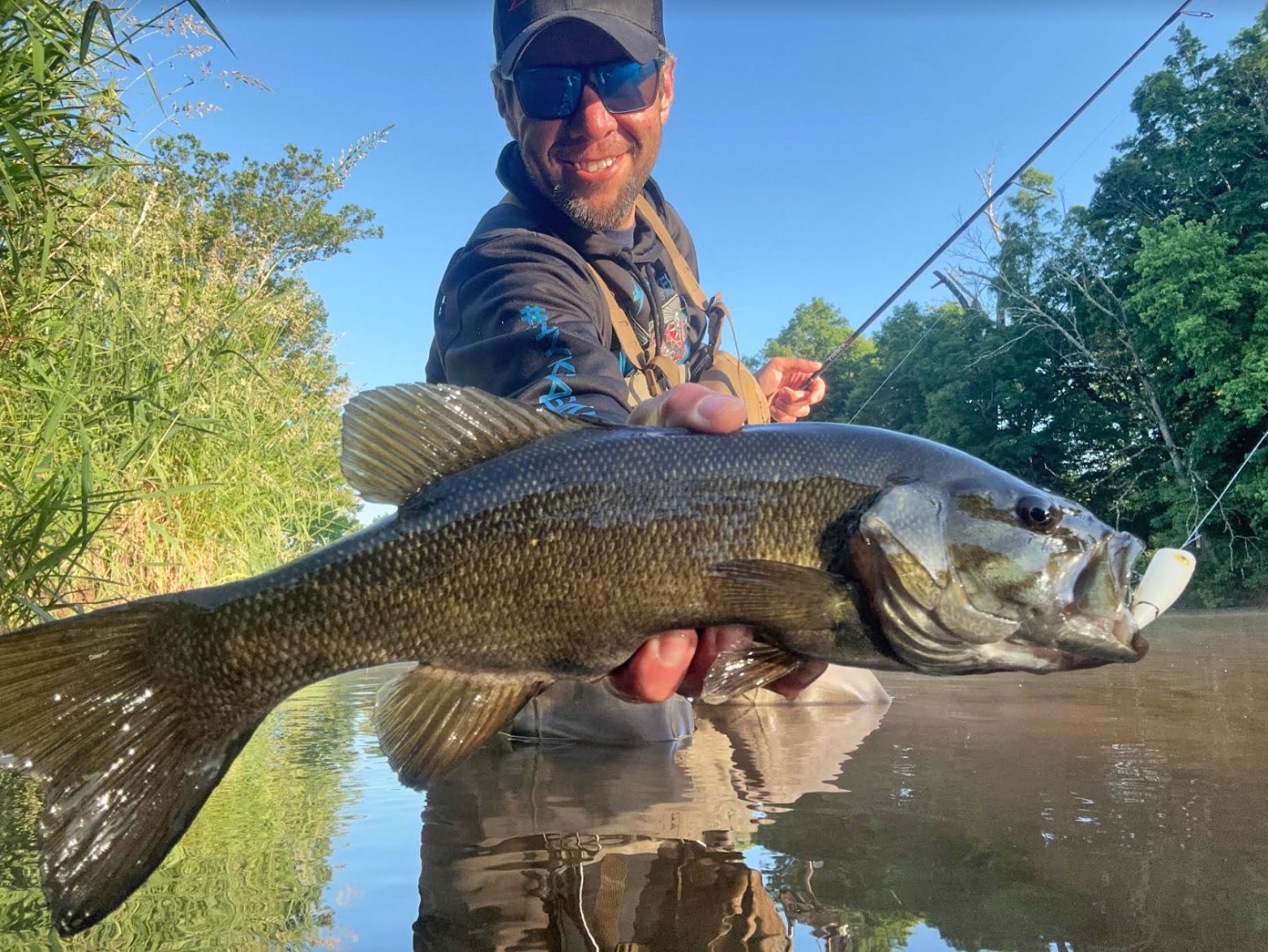
Alright, gather 'round, folks! Forget everything you thought you knew about catching bass in a sleepy lake. Those are the bass equivalent of house cats – predictable, often plump, and probably dreaming of napping. We're here to talk about a different beast altogether: the river bass. These are the Olympic athletes of the bass world, the street fighters, the ones who make their lake-dwelling cousins look like they've been binge-watching reality TV and eating potato chips.
Catching bass in a river isn't just fishing; it's a mind game. It's a dance with current, a masterclass in reading water, and occasionally, a wrestling match with a particularly feisty fish that makes you wonder if it just chugged an energy drink. But oh, the reward! The sheer satisfaction of outsmarting a creature whose entire existence is a fluid, ever-changing obstacle course? Priceless.
Why River Bass Are the Cool Kids (and a Bit of a Challenge)
Think about it: rivers are constantly moving. This means river bass are always on the go, always fighting, always adapting. They're lean, mean, and their muscles are probably sculpted from years of battling currents just to get dinner. Lake bass? They just float around waiting for an easy meal to swim by. Boring!
Must Read
River bass have personalities. They're cunning. They're opportunistic. And if you think you can just plop a worm in the water and wait, well, bless your cotton socks. You're in for a long, quiet day. But don't worry, I'm here to turn you into a bass-catching guru, or at least someone who occasionally catches a fish instead of a cold.
Gearing Up: Your Arsenal Against the Current
You don't need to mortgage your house for fancy gear, but a few essentials will make your life easier. Think of it as preparing for battle, but with less actual bloodshed and more delicious fish stories.
-
The Rod & Reel Combo: A medium to medium-heavy spinning or baitcasting rod (6'6" to 7'6") with a fast action tip is your best friend. It gives you the backbone to fight the fish and the sensitivity to feel even the most subtle nibble. Pair it with a reliable reel, and you're golden. Just make sure it can handle a bit of a tussle!
-
Line: For most river scenarios, 8-12lb fluorocarbon or monofilament is a solid choice. If you're fishing heavy cover (like logjams that look like they're trying to eat your lure), a stronger braid (20-30lb) might save you from a lot of re-tying and muttered curses. Pro tip: Bass don't care about your feelings, only about eating.

How to Catch GIANT Bass in Rivers!!! (Best baits, Tips & Tactics) - YouTube -
Lures: This is where the fun begins! River bass are foodies. They love a good meal, and they're not afraid to chase it. My personal favorites for river warfare include:
-
Crankbaits: Especially squarebills. They deflect off rocks and logs, mimicking a frantic baitfish. Bass can't resist a little chaos.
-
Jigs: With a skirted jig and a creature bait trailer, you're basically offering them a fancy, irresistible bug. Let it bounce along the bottom, and prepare for a strike.
-
Soft Plastics: Texas-rigged worms or creature baits are fantastic for getting into tight spots without snagging. Weight them correctly, and they'll tumble downstream like an easy snack.
HOW TO CATCH BASS IN RIVERS- Baits, Rods & Tactics - YouTube -
Topwater Lures: Pop-R's, Whopper Ploppers, or buzzbaits. There’s nothing quite like a bass exploding on a topwater lure. It’s pure, unadulterated adrenaline, often accompanied by a startled yelp from the angler.
-
Where the Bass Party (and You Should Too!)
River bass aren't just swimming willy-nilly. They're strategic. They find spots where they can conserve energy, ambush prey, and generally feel safe. Your job is to find those spots!
-
Current Breaks: This is probably the most important thing to remember. Look for anything that breaks the current: big rocks, fallen trees, bridge pilings, eddies (those swirling pools where the water slows down). Bass will sit on the downstream side of these breaks, waiting for food to be delivered to them by the current, like a lazy waiter service.
-
Deeper Pools & Holes: In shallower rivers, deeper sections offer refuge from strong currents and predators. They're also cooler in summer. Fish the edges and transitions into these deeper areas.

How to catch smallmouth bass in the river (Nolichucky River) - YouTube -
Undercut Banks & Overhanging Vegetation: These provide shade and cover. Bass love to lurk under these, ready to pounce. Cast your lure right up under them; it might feel a bit like threading a needle, but the payoff can be huge.
-
Confluence Zones: Where a smaller creek meets the main river, you often find a buffet of nutrients and baitfish. Bass know this, so they hang out there. Think of it as the river's main food court.
The Art of the Cast: Presenting Your Delicacy
So you've found a promising spot. Now what? Don't just chuck your lure straight out. River bass are smart; they've seen it all. You need finesse, you need grace, and sometimes, you need a little bit of luck.
Cast upstream and across the current. This allows your lure to drift naturally downstream, mimicking a stunned baitfish or an unsuspecting bug. Let the current do some of the work. As it drifts, retrieve it just fast enough to give it action, but slow enough to stay in the strike zone. Think of it as guiding your lure, not dragging it.
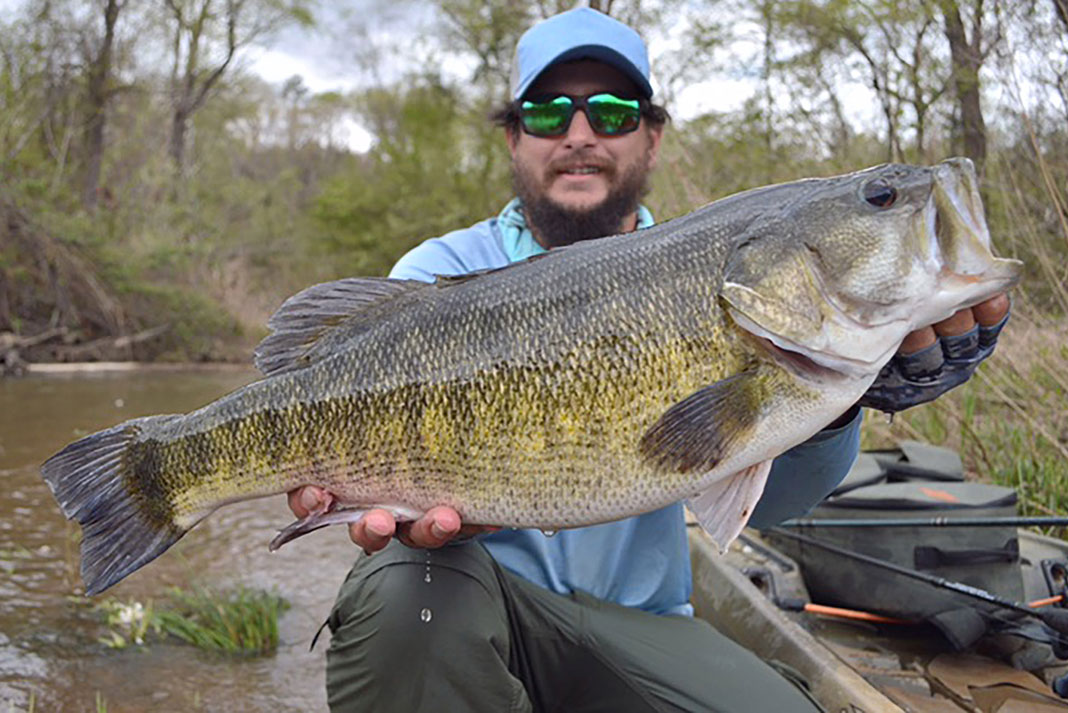
Pay attention to the feel. A strike might not be a huge tug; it could be a slight twitch, a sudden slackening of the line, or just a heavy "thump." When in doubt, set the hook! The worst that can happen is you reel in an empty lure. The best? You've got a feisty river bass on the line, ready for its close-up.
And remember, move around! If a spot isn't producing after a few casts, don't just stand there staring at the water like you're waiting for a bus. River bass are often concentrated, so finding one can mean finding several. Explore, observe, and trust your gut. Sometimes, being a little weird and trying something unexpected pays off. Who knows, maybe you'll discover you're a bass whisperer!
Don't Forget the "Catch & Release" Etiquette
These river gladiators deserve our respect. If you're not planning on eating them (and often, river bass aren't the best table fare anyway), practice proper catch and release. Handle them gently, minimize their time out of water, and send them back to fight another day. After all, a healthy river means more fun for everyone, and who doesn't want to battle a future Olympic bass champion?
So, there you have it. Your starter guide to becoming a river bass maestro. It takes patience, a bit of grit, and a willingness to learn from every cast. Go forth, embrace the current, and may your lines be tight and your stories be epic!