How To Build A House Off Grid
Alright, grab a coffee, maybe a scone, because I’m about to tell you the most ridiculous, rewarding, and sometimes utterly sanity-bending adventure you could ever embark on: building your very own off-grid house. It’s like escaping the matrix, but instead of red pills, you’re mostly just dealing with dirt, solar panels, and the occasional existential crisis about whether you really remembered to turn off the main water valve.
The Grand Escape: Why Go Off-Grid?
So, why would anyone willingly disconnect from the comforting hum of the grid? Well, for starters, there's the monthly utility bill, which often feels like a personalized ransom note from an invisible energy overlord. Go off-grid, and suddenly, you’re the overlord! Or, more accurately, the diligent peasant constantly monitoring your battery bank. There’s also the irresistible allure of freedom, of knowing your home functions entirely on its own terms, powered by sunshine, harvested rain, and sheer stubbornness. Plus, the bragging rights are immense. "Oh, this artisanal sourdough? Baked with my own solar power, darling."
Step 1: The Land – Your Wilderness Kingdom
First things first, you need dirt. A lot of it. And preferably, it needs to be somewhere that doesn't require a twenty-page permit application just to breathe on it. Look for land with good sun exposure for your solar panels (unless you fancy building a wind turbine that doubles as an avant-garde garden sculpture). Consider water sources – is there a well? A spring? Or are you banking on good old Mother Nature to fill your rainwater tanks? Remember, a remote location sounds romantic until you realize getting a truckload of lumber delivered requires a six-hour trek through what feels like the Amazon. Pick wisely, future hermit-king!
Must Read
Power to the People (That's You!)
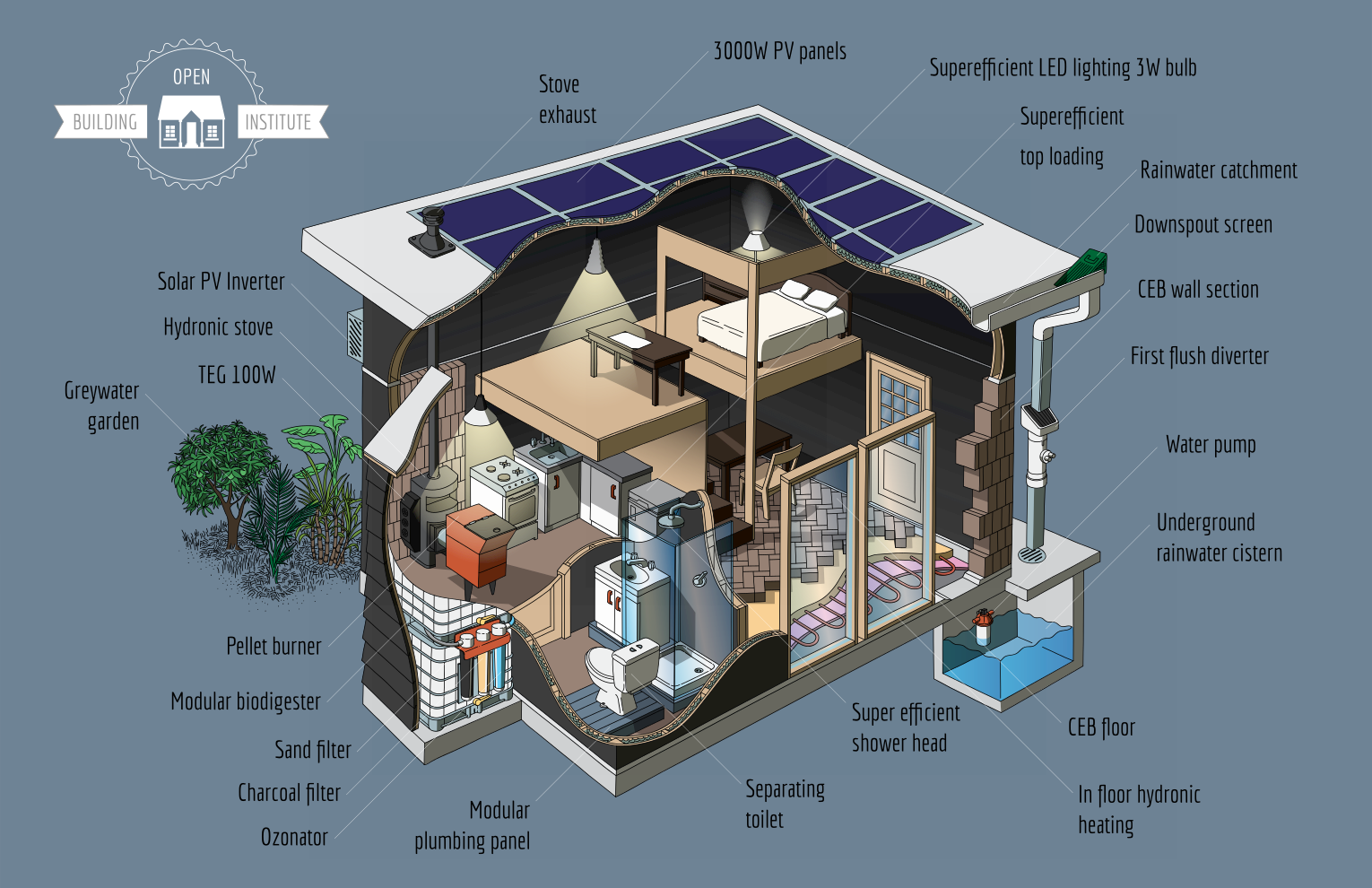
This is where the magic happens. Your two best friends in the off-grid power game are solar panels and batteries. Solar panels are essentially fancy sun-tanning beds for electrons. They soak up rays, convert them into usable electricity, and send them off to your battery bank. Think of your batteries as the bouncers at an exclusive club, storing all that energy for when the sun goes down and you really, really want to watch that documentary about competitive dog grooming.
Don't forget the inverter – it’s the translator that turns raw battery power into something your toaster understands. Pro tip: appliances that heat things up (toasters, hair dryers, electric kettles) are energy hogs. Your off-grid life might involve a lot more air-drying of hair and slightly cooler showers. Welcome to your glamorous new existence!

Water, Water Everywhere (If You Plan Smartly)
No more city water bill? Sounds great! Now, how do you get water? Most off-gridders become masters of rainwater harvesting. Imagine a giant funnel on your roof, directing glorious, free rainwater into massive storage tanks. It’s surprisingly effective. You'll need filters, of course – nobody wants to shower in a puddle that might have seen a bird bath. Or, if you're feeling ambitious (and have the right geology), you can dig a well. Drilling a well is less "romantic cowboy finding water" and more "expensive machinery making a lot of noise," but hey, fresh groundwater!
A surprising fact: the average person uses about 80-100 gallons of water per day. Off-gridders often get that down to 10-20 gallons. You learn to appreciate every drop, especially when you realize flushing a toilet with clean, filtered rainwater feels like pouring champagne down the drain.

Waste Not, Want Not: The Glorious World of Composting Toilets
Okay, let’s talk about the unsung hero of off-grid living: waste management. Specifically, your toilet. No sewer lines means you need a plan. Enter the composting toilet. Yes, we’re going there. It's essentially a fancy bucket system that separates solids from liquids and, over time, turns your "contributions" into nutrient-rich compost. It’s surprisingly odorless if maintained correctly, and it means you’re not flushing gallons of precious water with every visit. Your garden will thank you, eventually. Your guests? They might need a detailed instruction manual and a strong constitution.
Greywater systems, which reuse water from sinks and showers for irrigation, are also brilliant. Just remember to use biodegradable soaps, unless you want your prize-winning tomatoes to taste faintly of citrus-infused body wash.
The House Itself: Your Resilient Fortress
Building the actual structure is where your inner architect (or amateur YouTube carpenter) truly shines. Think efficiency! Tiny houses are popular for their minimal footprint and lower energy demands. Consider passive solar design, where your windows are strategically placed to let in winter sun for warmth and block summer sun for coolness. Insulation is your best friend. Seriously, marry insulation. It will save you more energy (and arguments with your spouse about the thermostat) than almost anything else. Straw bale, earthships, even repurposed shipping containers – the options are as limitless as your imagination (and local building codes, annoyingly).
The Humorous Hurdles and Unexpected Joys
Be prepared for challenges. Rainstorms on framing day, finding out your "bargain" lumber is warped, the sheer terror of wiring your first solar array (watch a lot of videos, then watch them again). You'll learn to cuss like a sailor, problem-solve like MacGyver, and celebrate small victories like finding a perfectly straight stud. But the payoff? That first evening, when your lights flicker on, powered solely by the sun you captured, and you heat water with propane, knowing you are truly independent. It’s a feeling of accomplishment that makes every scraped knuckle and every moment of doubt worth it.
Building an off-grid house isn't just about constructing a building; it's about constructing a lifestyle. It’s hard work, it’s messy, and you'll definitely tell some ridiculously funny stories about it later. But when you finally kick back on your porch, gazing at the stars, with no electric bill looming, you’ll know you’ve truly built something extraordinary. Welcome to the wonderful, wild, and slightly wacky world of off-grid living!