How To Attach Aluminum To Steel

Ever found yourself looking at a broken piece of garden furniture, a wobbly shelf, or even a custom project in your garage, wondering how on earth to join two seemingly incompatible metals like aluminum and steel? It might sound like a job for a pro, but understanding how to attach aluminum to steel can open up a world of DIY possibilities, making everyday repairs and creative endeavors surprisingly accessible and fun. It's a skill that empowers you to fix things, build things, and save a few bucks along the way – what’s not to love about that?
This isn't just a niche trick; it's genuinely useful for a wide range of folks. For beginners, it’s a fantastic way to tackle common household repairs, like mending an aluminum frame with a steel bracket, or giving new life to a piece of furniture. Families can discover the joy of collaborative projects, from building a sturdy, custom bike rack out of mixed materials to crafting unique art installations that combine strength and lightness. And for the eager hobbyist, knowing how to confidently join these metals unlocks new levels of sophistication in model building, workshop organization, or even light automotive modifications, allowing you to combine the best properties of each metal for your specific needs.
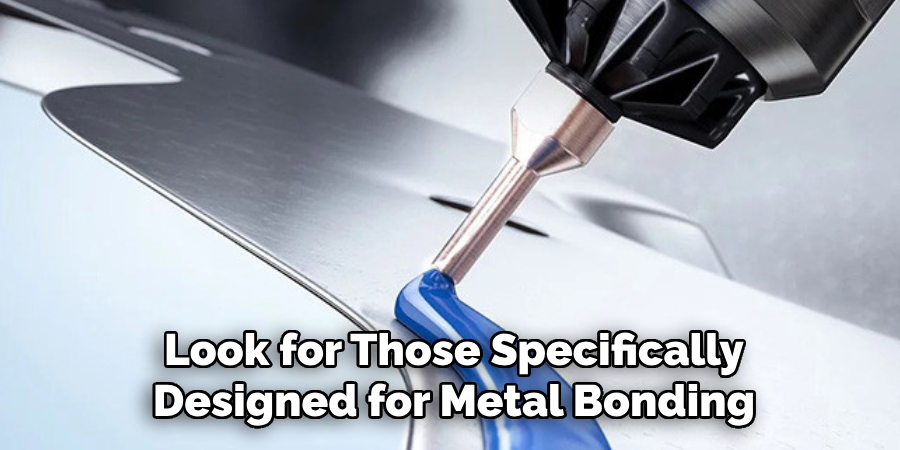
So, how do we actually do it? There are a few friendly paths. The most common and accessible methods involve either mechanical fasteners or specialized adhesives. For mechanical attachments, think about good old screws, bolts, or rivets. These are fantastic because they create a strong, removable (in the case of bolts) connection. For non-load-bearing or aesthetic projects, high-strength epoxy adhesives designed for metal can create a surprisingly durable bond without the need for drilling. However, the biggest "gotcha" when joining aluminum and steel is something called galvanic corrosion. Simply put, when these two metals touch, especially with moisture, they can start to eat away at each other. The good news? It's easy to prevent!
Must Read
Getting started is simpler than you might think. First, always ensure your surfaces are clean and dry – grease, dirt, or rust will weaken any bond. When using mechanical fasteners, the secret to avoiding galvanic corrosion is to put a non-conductive barrier between the metals. Think nylon washers, rubber gaskets, or even a layer of paint or primer at the contact points. This simple trick prevents them from directly touching. If you're going the adhesive route, make sure to pick an epoxy specifically rated for dissimilar metals, and always follow the manufacturer's instructions for mixing and curing. Don't be afraid to do a small test run on scrap pieces first; it’s a great way to build confidence before tackling your main project.
Learning how to join aluminum and steel might seem like a small step, but it’s one that significantly broadens your DIY horizons. From patching up that beloved patio chair to building custom pieces for your workshop, the satisfaction of creating something strong and lasting with your own hands is truly rewarding. So next time you encounter a mixed-metal challenge, remember these simple tips, grab your tools, and enjoy the process of turning a tricky problem into a triumphant DIY solution!