
How To Add Solar Panels To An Existing System

Alright, sunshine lovers! You’ve already embraced the glorious world of solar power. You’re basking in the warm glow of green energy, probably saving the planet one solar-powered device at a time. But guess what? You want MORE!
More power, more savings, more bragging rights – and who can blame you? Adding solar panels to your existing system is like giving your energy setup a super-powered upgrade.
First Things First: Checking the Vitals
Think of your current solar setup as a trusty old car. It's been getting you from point A to point B (or from sunrise to sunset, in this case) reliably. Before you bolt on a supercharger, you need to make sure it can handle the extra oomph.
Must Read
The Mighty Inverter
Your inverter is the heart of your solar system, converting the DC electricity from your panels into AC electricity that your home can use. It's like the translator, taking the sun's language and making it understandable to your fridge and TV.
Does your current inverter have the capacity to handle more panels? Check its specs! Overloading it is like asking a chihuahua to pull a truck – it's just not gonna happen (and might end badly for the chihuahua... and your inverter).
If your inverter is already maxed out, you'll need to upgrade to a bigger, beefier model. Think of it as trading in that chihuahua for a team of sled dogs…okay, maybe not, but you get the idea!
Wiring Woes (and Wonders!)
Your existing wiring is like the circulatory system of your solar setup, carrying the precious energy from panels to inverter to your home. Are those wires thick enough to handle the increased flow of electrons? You don't want an electrical bottleneck!
Thin wires trying to carry too much power are like trying to drink a milkshake through a coffee stirrer – messy and inefficient. Get a qualified electrician to assess your wiring and make sure it's up to snuff. Seriously, don't skimp on this step!
Roof Report: Holding On Tight?
Your roof is the foundation upon which your solar dreams are built (literally!). Is it sturdy enough to support additional panels? We're not just talking about the weight of the panels themselves; consider snow, wind, and maybe even a particularly ambitious squirrel convention.
Consult a structural engineer to get a professional opinion. The last thing you want is for your roof to groan under the weight of your new solar array and decide to take an early retirement…taking your investment with it.
The Panel Parade: Choosing Your New Recruits
So, your existing system is ready for an upgrade! Now comes the fun part: picking out your new solar panels. It's like choosing players for your all-star energy team!
Matchy-Matchy or Mismatched Mayhem?
Ideally, you'll want to get panels that are the same type and wattage as your existing ones. This ensures optimal performance and avoids any compatibility issues. Think of it as creating a harmonious choir of energy production.
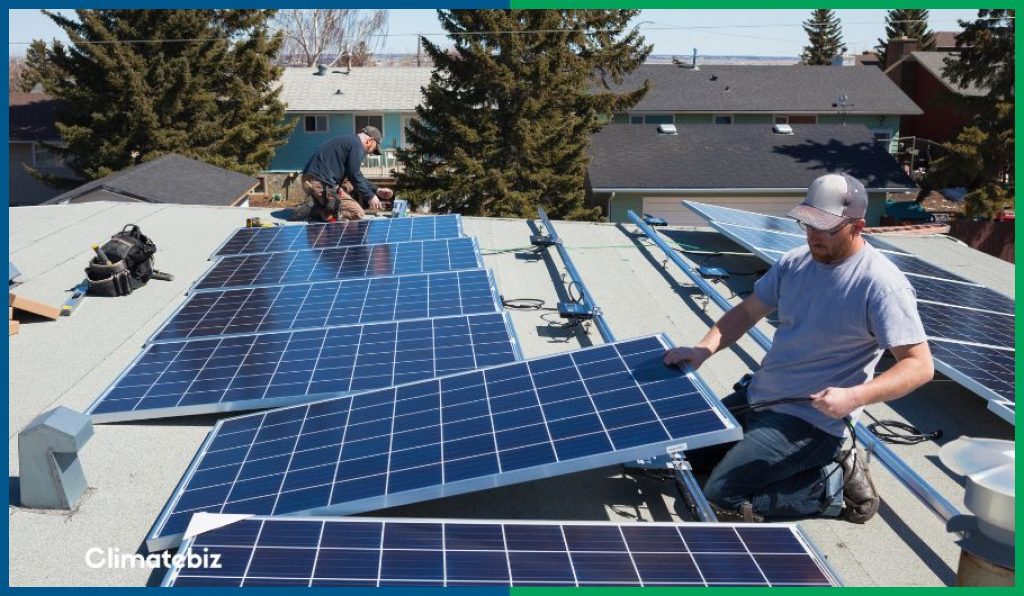
However, sometimes finding the exact same panels years later is like searching for a unicorn riding a skateboard – rare, if not impossible. Don't despair! As long as the new panels are reasonably compatible with your system, you can still make it work.
A good installer can help you navigate the complexities of panel compatibility. They're like the coaches of your solar team, making sure everyone plays nicely together.
Size Matters (Sort Of)
Panel size can be a factor, especially if you're limited on roof space. High-efficiency panels can pack more power into a smaller area, like having a super-strong pocket-sized superhero.
Consider your space constraints and energy goals when choosing panel size. It's a balancing act between getting the most power possible and fitting everything comfortably on your roof.
Connecting the Dots: Installation Inspiration
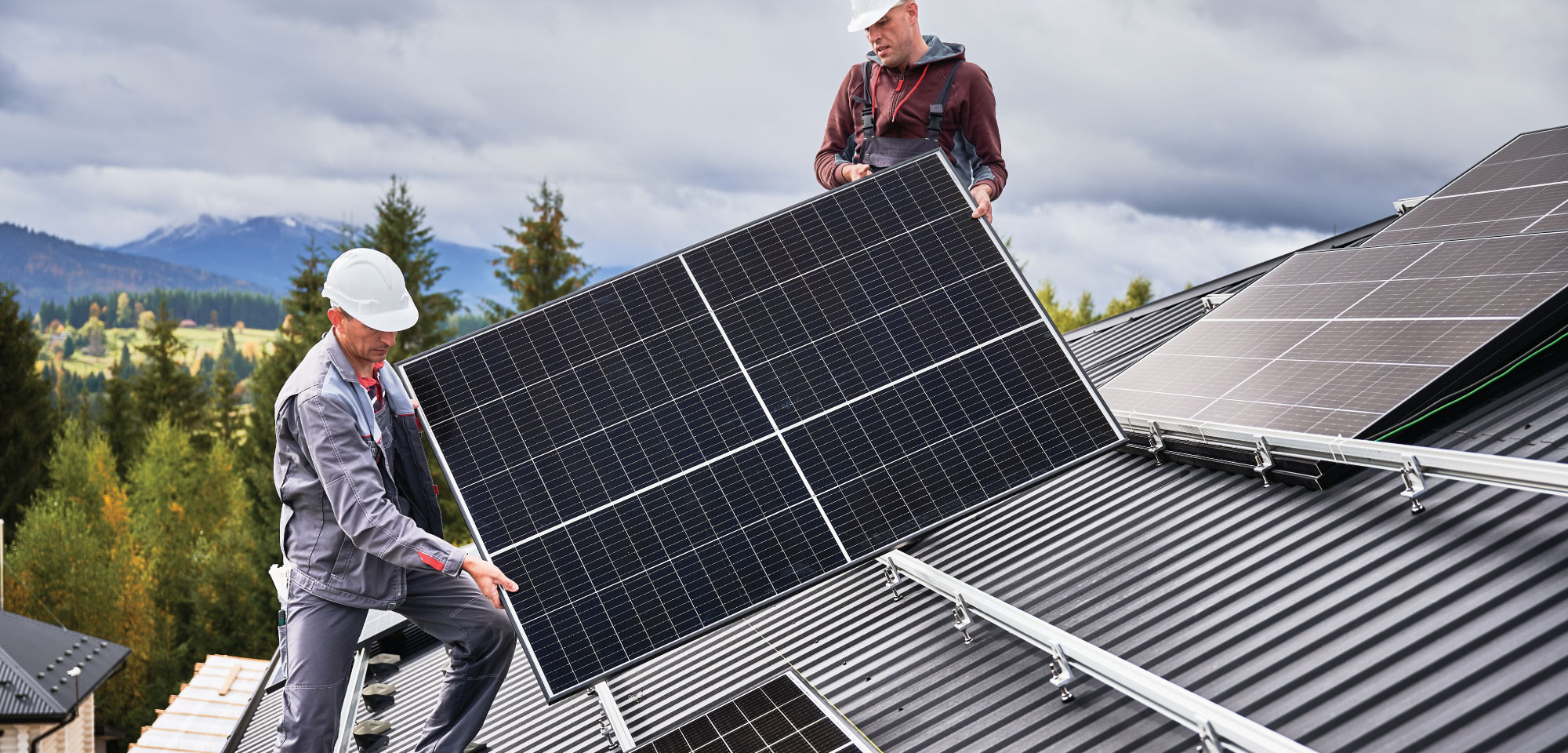
You've got your new panels, your wiring is prepped, and your inverter is ready to roll. Now comes the moment of truth: installation! Unless you're a seasoned solar pro (and if you were, you probably wouldn't be reading this), this is best left to the experts.
Professional Power Up
A professional solar installer will ensure that everything is connected correctly and safely. They'll also handle all the necessary permitting and inspections, saving you a headache and ensuring your system is up to code.
Think of them as the surgeons of the solar world, carefully connecting everything with precision and expertise. Trying to DIY this could be like performing surgery on yourself – generally not a good idea!
Mounting Mania
The way your new panels are mounted can affect their performance. Panels facing south typically generate the most power, but your roof's orientation and shading can influence the optimal placement.
An experienced installer will assess your roof and determine the best mounting configuration for maximum energy production. They're like the compass guides, pointing your panels towards the sun's most glorious rays.
Testing, Testing, 1, 2, 3...
Once the installation is complete, it's time to test your system and make sure everything is working as it should. This is like the grand opening of your new energy factory!

Monitor Your Marvelousness
Most solar systems come with monitoring software that allows you to track your energy production in real-time. You can see how much power you're generating, how much you're saving, and even how much carbon emissions you're preventing.
It's like having a personal energy dashboard, showing you the positive impact you're making on the planet (and your wallet!). Plus, it's just plain fun to watch those numbers climb!
Enjoy the Extra Energy!
Congratulations! You've successfully added solar panels to your existing system. Now you can bask in the glow of even more clean, renewable energy.
Feel free to use that extra power to charge your electric car, run your air conditioner guilt-free, or even power a giant inflatable unicorn on your front lawn (we won't judge!). The possibilities are endless!
Adding solar panels isn't a walk in the park. But the feeling of energy independence makes every struggle worthwhile.