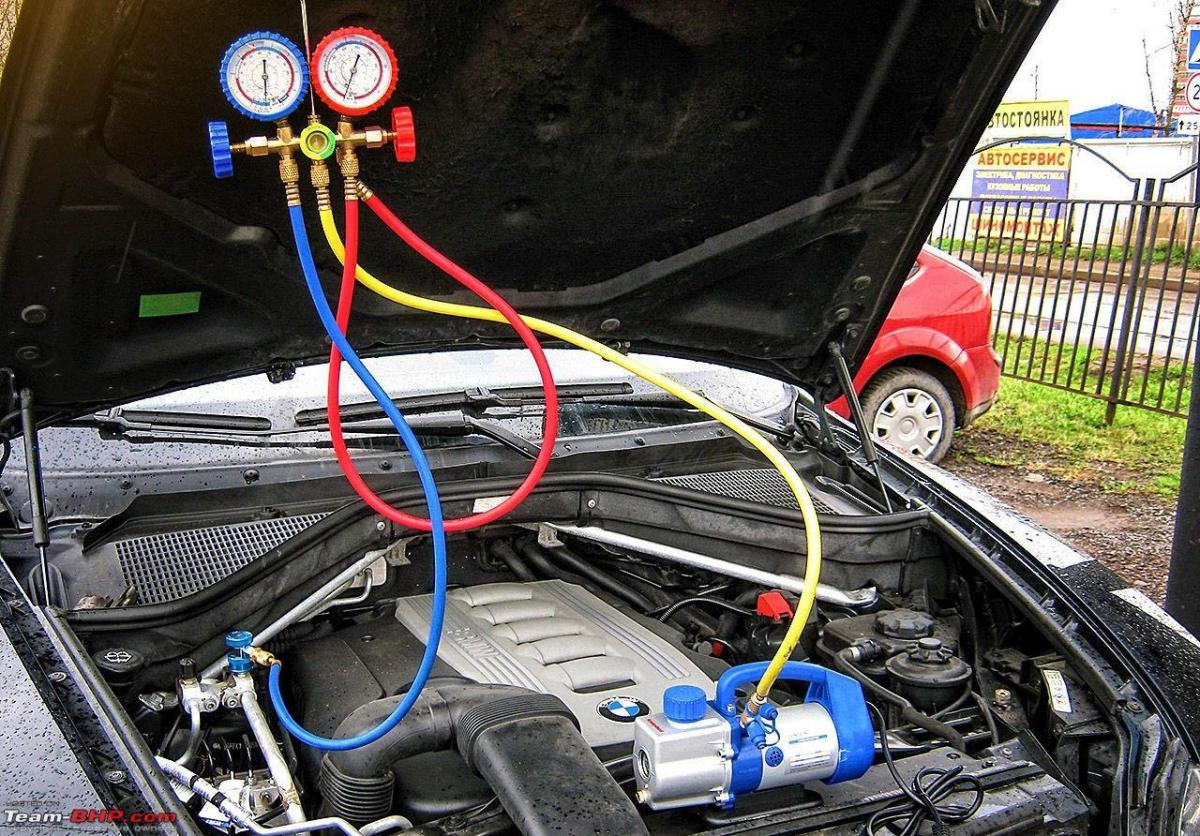
How To Add Freon To Automobile Air Conditioner

Okay, let's talk about something cool – literally! We're diving into the world of car ACs and how to keep them blowing that sweet, sweet arctic air. Why is this fun? Because nobody enjoys a sweaty commute, and being able to handle a little AC maintenance yourself can save you some serious cash and impress your friends. Think of it as unlocking a secret level in the game of car ownership!
The main purpose of adding Freon (or, more accurately, refrigerant, since "Freon" is a brand name) to your car's AC system is simple: to restore its cooling power. Over time, refrigerant can leak out, leading to a weaker AC system that struggles to keep you comfortable. By topping it off, you're essentially giving your AC the boost it needs to do its job properly.
What are the benefits? Besides the obvious – a blissfully cool car interior on a scorching summer day – there are other perks. A properly charged AC system runs more efficiently, potentially saving you a little bit of gas. Plus, you'll avoid putting extra strain on the compressor, which can lead to more expensive repairs down the road. Think of it as preventative maintenance for your comfort!
Must Read
Now, before you jump in, a word of caution: working with refrigerants requires a bit of care. Always wear eye protection (safety glasses are a must!). And while DIY kits are readily available, it's important to understand what you're doing. If you're uncomfortable or unsure at any point, it's always best to consult a qualified mechanic.
Here's a simplified overview of the process (remember, always refer to your car's repair manual for specific instructions):
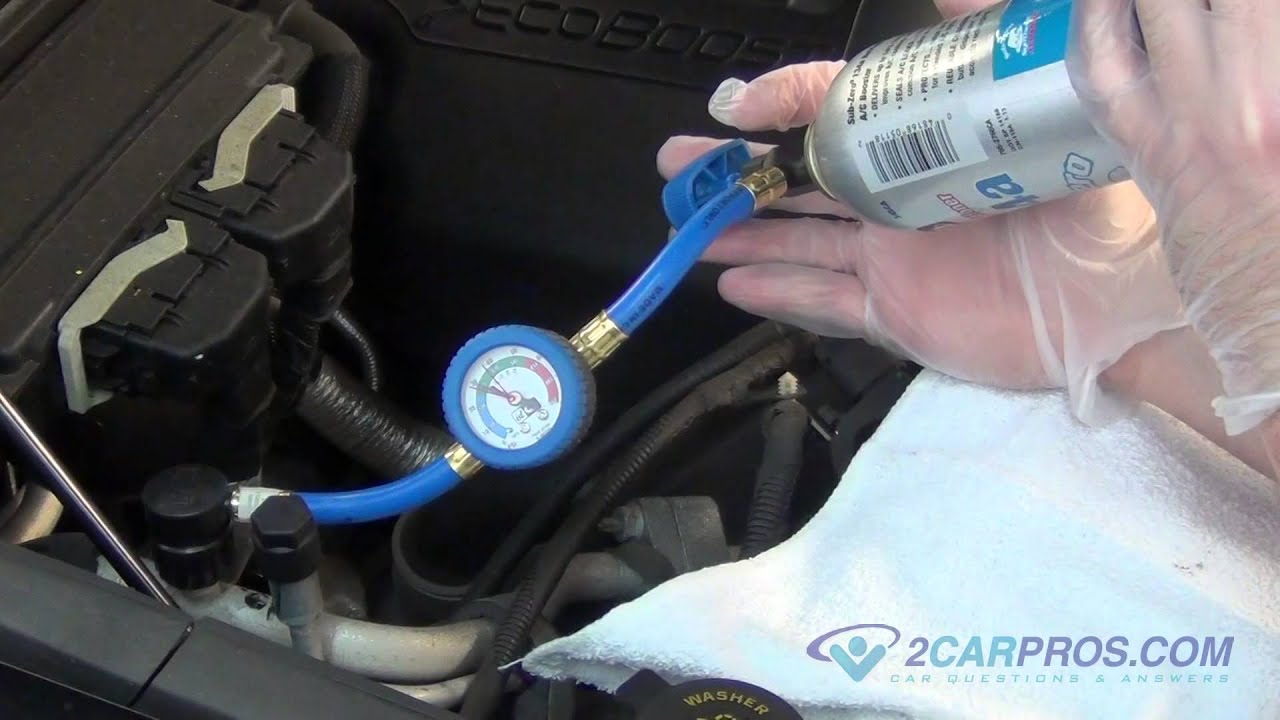
1. Identify the Low-Pressure Port: This is where you'll connect the refrigerant recharge kit. It's typically located on a larger diameter aluminum tube. If you aren't sure which line is the low pressure, consult a professional. The high-pressure port, using the incorrect connector, could cause the refrigerant to explode, causing physical harm.
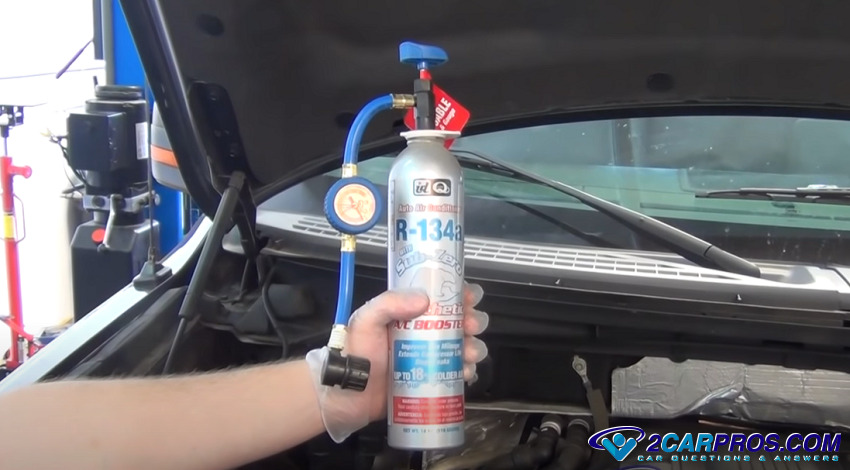
2. Connect the Recharge Kit: Follow the instructions on your kit carefully. Most kits have a gauge that allows you to monitor the pressure.

3. Add Refrigerant: Slowly add refrigerant, monitoring the pressure gauge. The goal is to reach the recommended pressure range, as indicated on the gauge or in your car's manual. Don't overcharge the system!
4. Monitor Performance: Once you've added refrigerant, start your car and turn on the AC. Check the temperature of the air coming out of the vents. It should be noticeably cooler.
Important Considerations: If your AC system is constantly leaking refrigerant, there's likely a larger problem, such as a leak in a hose or the compressor itself. In these cases, simply adding more refrigerant is a temporary fix and won't solve the underlying issue. It's best to have a professional diagnose and repair the leak.
Adding refrigerant to your car's AC can be a rewarding DIY project. Just remember to proceed with caution, follow instructions carefully, and prioritize safety. With a little knowledge and the right tools, you can keep your car's AC blowing cold and enjoy a much more comfortable ride!