
How Thick Is 17 Gauge Steel

Okay, picture this: You’re deep into a DIY project, maybe trying to replace a rusty car panel (don’t ask), or perhaps you’re just shopping for a new heavy-duty metal shelf online. You scroll through the specs, and there it is, staring back at you like a cryptic ancient symbol: "Made with 17 gauge steel."
My brain, bless its overthinking little heart, immediately goes, "Seventeen gauge? Is that... good? Is that thick? Or is it flimsy? Should I be impressed or worried?" It's like being told something is "medium-sized" without knowing if we're talking about a dog or a planet. Am I right? We've all been there, squinting at numbers that mean absolutely nothing to our everyday experience.
For the longest time, "gauge" felt like some secret handshake among metalworkers, a clandestine measurement system designed to keep us regular folks baffled. Well, my friends, today we pull back the curtain on one of those mysterious numbers. Specifically, we're diving into the curious world of 17 gauge steel. Let's unravel this riddle together, shall we?
Must Read
Unraveling the Gauge Mystery
First, a quick primer on this whole "gauge" thing, because it's probably the most counter-intuitive measurement system ever invented. Seriously, it's a bit like someone designed it just to mess with us. In most things, a bigger number means more, right? More inches, more pounds, more money (one can dream!). But with metal gauge, it’s the exact opposite.
Here’s the golden rule, etched into the annals of metal lore: The higher the gauge number, the thinner the metal.
I know, I know. It feels wrong, doesn't it? Like calling a small car "the big one." But that's how it works! It’s a legacy system that dates back to when wire was measured by how many dies it passed through. More passes = thinner wire = higher number. And somehow, that stuck for sheet metal too. So, a 20 gauge sheet is thinner than a 10 gauge sheet. Mind. Blown. (Or at least slightly confused, but now informed!)

So, What's the Skinny on 17 Gauge Steel?
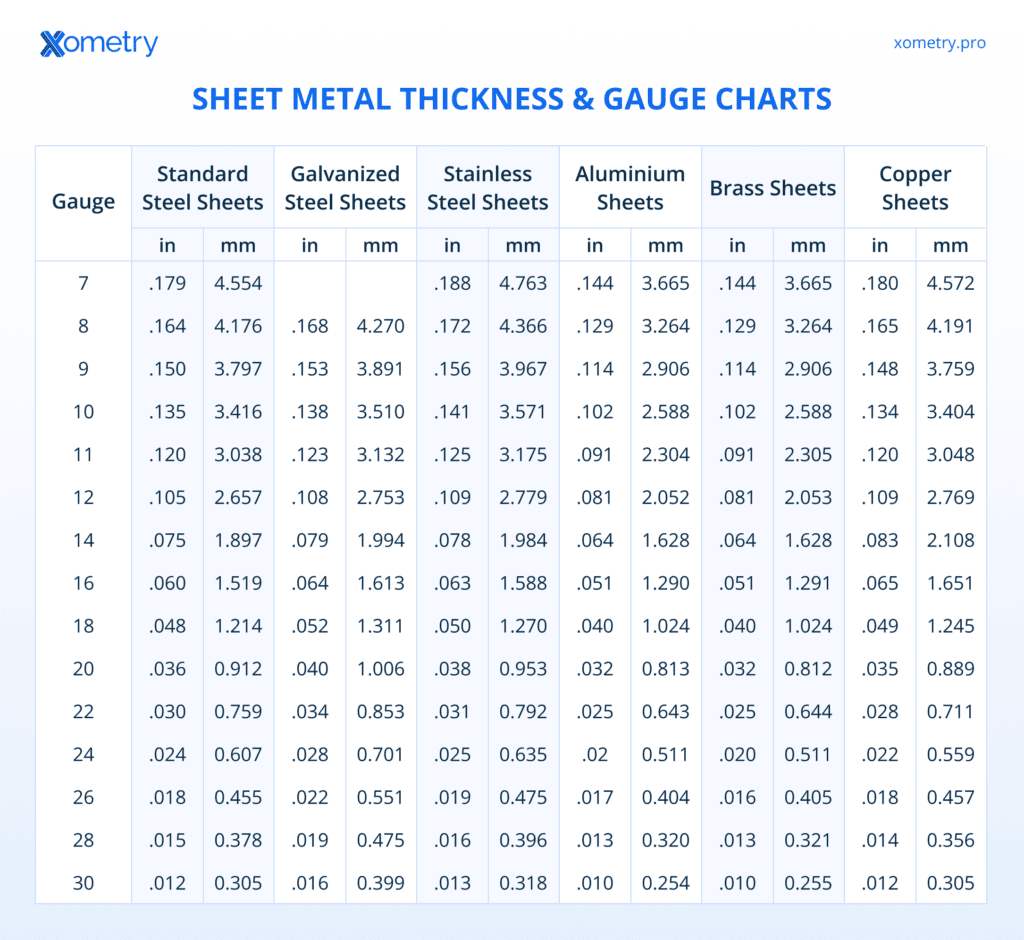
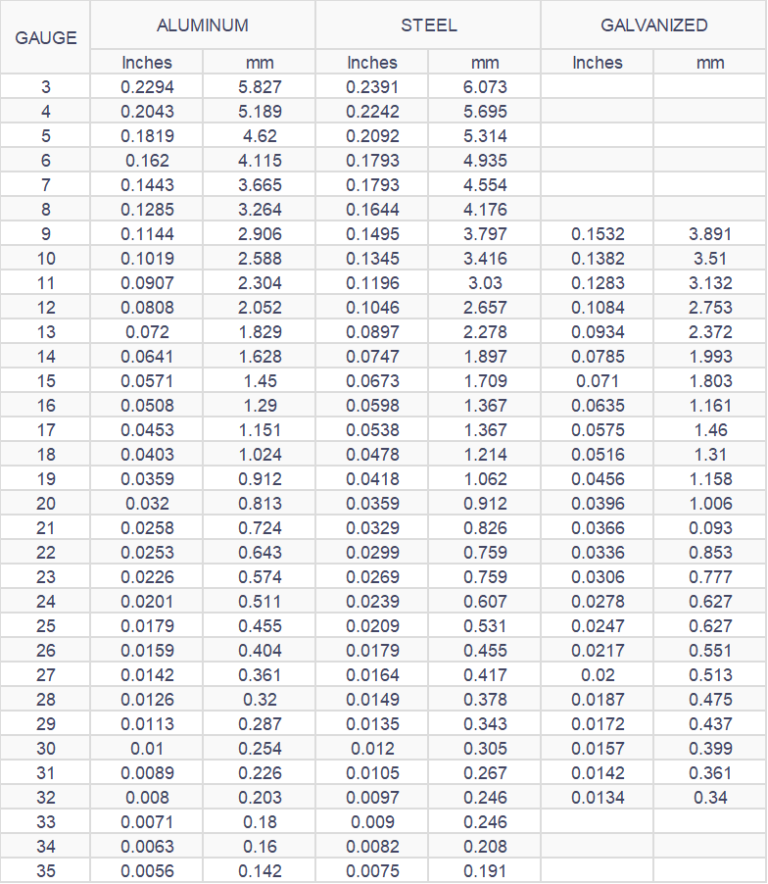
Alright, drumroll please! After all that build-up, you want the actual numbers, the cold, hard facts. When we talk about 17 gauge steel, we're looking at a pretty specific thickness. Keep in mind there can be tiny variations between different standards (like U.S. Standard Gauge vs. Manufacturers' Standard Gauge), but generally, for plain old mild steel:
17 gauge steel is approximately 0.0568 inches thick.
And for those of you who speak metric (or just prefer to visualize in millimeters, which, let's be honest, is often easier for small stuff):

That translates to about 1.44 millimeters.
So, we're talking about roughly one and a half millimeters. Not paper-thin, but certainly not armor plating either. It’s got a bit of heft, a decent amount of rigidity, but it's still workable and relatively light.
Putting That Thickness into Perspective
Numbers are great, but what does 0.0568 inches or 1.44 mm actually feel like? Let’s put it in terms you can probably relate to:
- It's noticeably thicker than a credit card (which is usually around 0.76 mm).
- It's roughly the thickness of a U.S. nickel or a dime stacked on top of a thinner coin.
- Think about the metal used for some of your kitchen appliances, like the sides of a refrigerator or a washing machine. Many of those panels might be in the 18 to 22 gauge range, so 17 gauge is a bit more robust than that.
- It's often found in things like light-duty metal shelving, certain types of ductwork, or the steel used in some automotive body repair patches that aren't structural.
Basically, it’s not flimsy like soda can aluminum, but it's not the stuff you’d build a bomb shelter out of. It strikes a balance between strength, formability, and cost.
Why Does Any of This Matter, Anyway?
Good question! Why did we just spend all this time dissecting a single number in a bizarre measurement system? Because knowing the gauge helps you understand what you're buying, building, or repairing.
If you're looking for something that needs to hold a lot of weight or withstand significant impact, 17 gauge might be a bit on the lighter side. You'd probably want something in the lower gauge numbers, like 14 or even 12 gauge, which are significantly thicker.
But if you need something that’s relatively strong, durable, but still easy to cut, bend, or weld without needing heavy-duty industrial equipment, 17 gauge hits a sweet spot. It’s a common workhorse thickness for many practical applications where you need some rigidity but don't want to add excessive weight or cost.
The Grand Takeaway
So, the next time you see "17 gauge steel" on a product description or a project plan, you won't be scratching your head. You'll know it's a solid, mid-range thickness – not too thin, not overly chunky, hitting that sweet spot for a lot of everyday applications.
You’re now officially a metal measurement guru. Go forth and impress your friends with your newfound knowledge. And maybe, just maybe, you'll feel a tiny bit less baffled by the quirks of the industrial world. You're welcome!