
How Should Fan Rotate In Summer
Summer’s glorious, isn’t it? Long days, sunshine, outdoor adventures... and sometimes, that undeniable feeling of being just a little too toasty indoors. We all have our go-to methods for beating the heat, from frosty drinks to jumping in a pool, but what about that trusty spinning friend above our heads? Your ceiling fan!
Ever looked up at those whirling blades and found yourself pondering a surprisingly deep question for a hot afternoon: Which way should my fan spin in summer? It seems like such a simple device, just moving air around, but there's actually a clever little secret to making it work its absolute best when the mercury rises.
The Summer Secret: Counter-Clockwise Cooling!
Here’s the big reveal, right off the bat: For summer, you want your fan to spin counter-clockwise. Sounds specific, right? But trust us, understanding this makes a world of difference to your comfort levels.
Must Read
When your fan blades are spinning in a counter-clockwise direction, they are designed to push air straight down towards the floor. Imagine a giant, invisible hand gently pressing the air from above, creating a lovely, direct breeze right where you are sitting or standing.
Why Counter-Clockwise is Your Best Friend
So, why does pushing air down make you cooler? It’s all about physics, but don't worry, no textbooks here! This downward airflow isn't just moving hot air around; it’s creating what’s known as a wind chill effect on your skin.
Think of it like stepping out of a pool on a breezy day – that instant 'woah, that's chilly' feeling? That's your sweat evaporating faster because of the moving air. Your body is constantly producing sweat (even if you don't always notice it), and when that sweat evaporates, it takes heat with it, cooling your skin.
:max_bytes(150000):strip_icc()/ceiling-fan-rotate-direction-1907533-v4-5ba94e6346e0fb002576cebf.png)
A ceiling fan spinning counter-clockwise helps to speed up this natural cooling process. It’s like your personal, miniature evaporative cooler, right there in your living room! The air movement helps that invisible layer of warm, moist air clinging to your skin to dissipate, allowing fresh, slightly cooler air to replace it and encouraging more sweat evaporation.
It’s not actually lowering the room's temperature, but it's making you feel significantly cooler. And that, my friends, is pure genius.
Beyond Comfort: Saving Some Green!
And here’s the really cool part that your wallet will appreciate: because that wonderful breeze makes you feel cooler, you can often set your thermostat a few degrees higher than you normally would and still feel perfectly comfortable. We're talking maybe 78°F instead of 75°F.
:max_bytes(150000):strip_icc()/GettyImages-182436453-5c79e51cc9e77c0001e98e6c.jpg)
Those few degrees might not sound like much, but they can translate into some pretty sweet savings on your electricity bill over the long, hot summer months. It’s about working smarter, not harder, to beat the heat and keep your wallet happy. Your fan lets your AC take a bit of a breather, which is a win-win in our book!
A Quick Nod to Winter (Just for Context!)
Just for context, when the crisp air of autumn arrives and winter rolls around, you'll want to flip that switch! In winter, you want your fan to spin clockwise. This creates a gentle updraft, pulling cooler air up and pushing warm air (which naturally rises and gathers near the ceiling) down along the walls.
It’s a subtle circulation, not a direct breeze, helping to destratify the air and make the room feel more uniformly warm. But let's not get ahead of ourselves – we're talking sun, shorts, and cool breezes right now!

How to Check and Change Your Fan’s Rotation
So, you’re convinced! But how do you know which way your fan is currently going? And how do you change it?
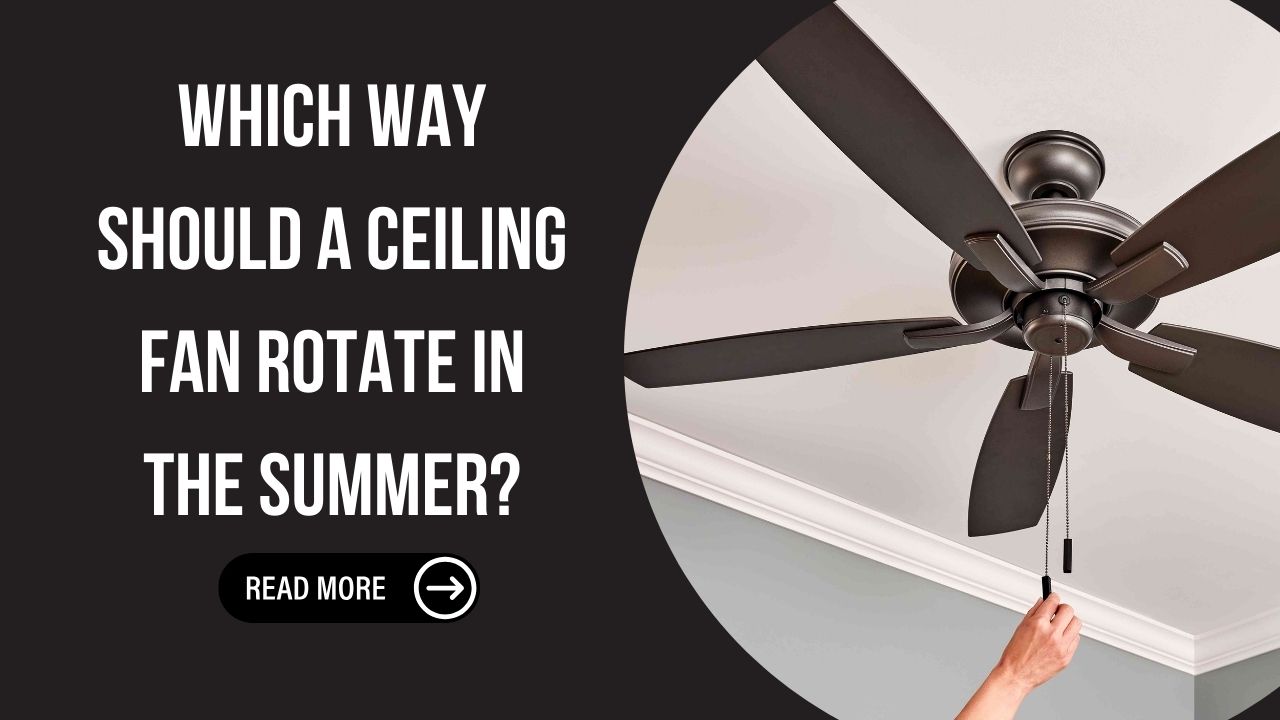
First, stand directly under your fan and watch the blades. If they're spinning so that the leading edge (the part of the blade facing the direction of rotation) is lower than the trailing edge, and they're moving counter-clockwise, you're all set for summer! You should feel a direct downward breeze.
If it's going the wrong way, no worries! Most ceiling fans have a small switch on the motor housing itself. You might need a step stool or a ladder to reach it, so always be safe! This is usually a little toggle or slider. Give it a flip while the fan is off (safety first!). Then, turn your fan back on, and you should see the rotation reverse. Sometimes it takes a moment for the blades to slow down and then start spinning the other way.
It's a simple, often overlooked detail, but it makes such a difference!
A Little Spin, A Lot of Comfort
Isn't it neat how such a seemingly simple device can have such a clever trick up its sleeve? It's not just about spinning; it's about how it spins and the subtle dance it performs with the air around us.
Think of it like tuning an instrument – you're just making sure your fan is playing the right 'cooling song' for the season.
So there you have it – the delightful secret of summer fan rotation. A simple tweak, a clearer understanding of basic physics, and a whole lot of extra comfort (and potential savings!). Next time you feel that glorious, gentle breeze, give a little nod to your cleverly rotating ceiling fan. Stay cool, friends!