
How Powerful Can A Hurricane Get

Ever sat in a coffee shop, perhaps stirring your latte a little too vigorously, and suddenly thought, “How powerful can a hurricane actually get?” No? Just me then. Well, pull up a chair, because we're about to dive into the dizzying, destructive, and frankly, absolutely bonkers world of nature’s most extreme weather events.
When the Ocean Decides to Go Rogue
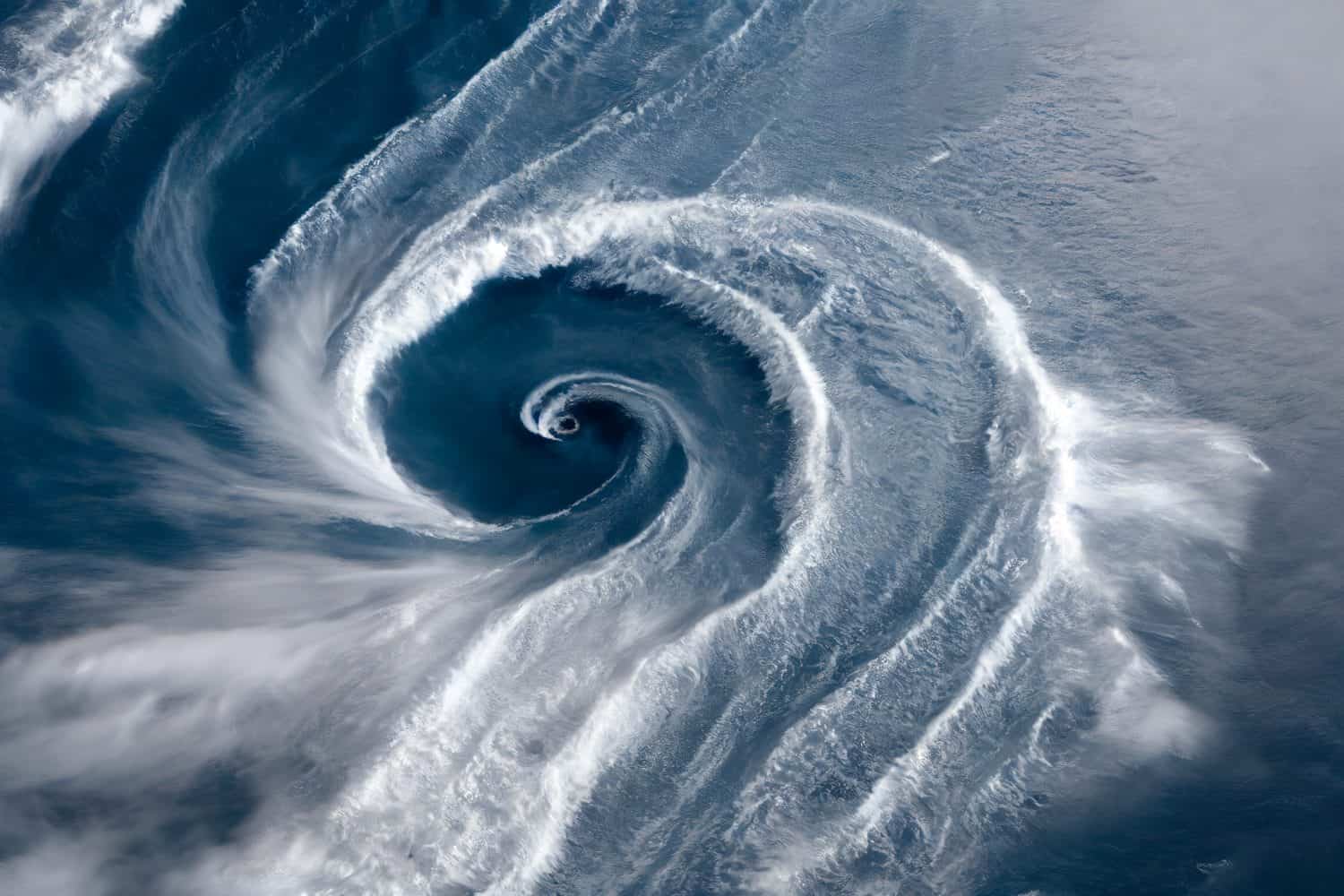
First off, what even is a hurricane? Imagine the ocean decided it needed to blend itself. You take vast stretches of warm, tropical water (that's the fuel), add some moist air rising (like steam from your coffee), and then the Earth’s rotation gives it a spin (the Coriolis effect, fancy!). Voila! You've got yourself a swirling vortex of wind and rain. It's essentially a giant, atmospheric vacuum cleaner, only instead of dust bunnies, it sucks up... well, everything else.
These aren't just big storms; they’re nature’s version of a toddler on a sugar rush – unpredictable, incredibly energetic, and capable of making an unbelievable mess. But how much sugar can one toddler consume? How much energy can one of these oceanic beasts harness?
Must Read
The Saffir-Simpson Scale: Nature’s Report Card
We measure hurricane power primarily by wind speed using the Saffir-Simpson Hurricane Wind Scale. It goes from a polite Category 1, which might just knock over your garden gnomes, to a ferocious Category 5, which is basically the atmosphere doing a mic drop on your entire neighbourhood.
Category 1: 74-95 mph. Annoying, might lose power. Your cat will probably still judge you.
Category 2: 96-110 mph. Some serious tree-wobbling. Maybe don't light those outdoor candles.
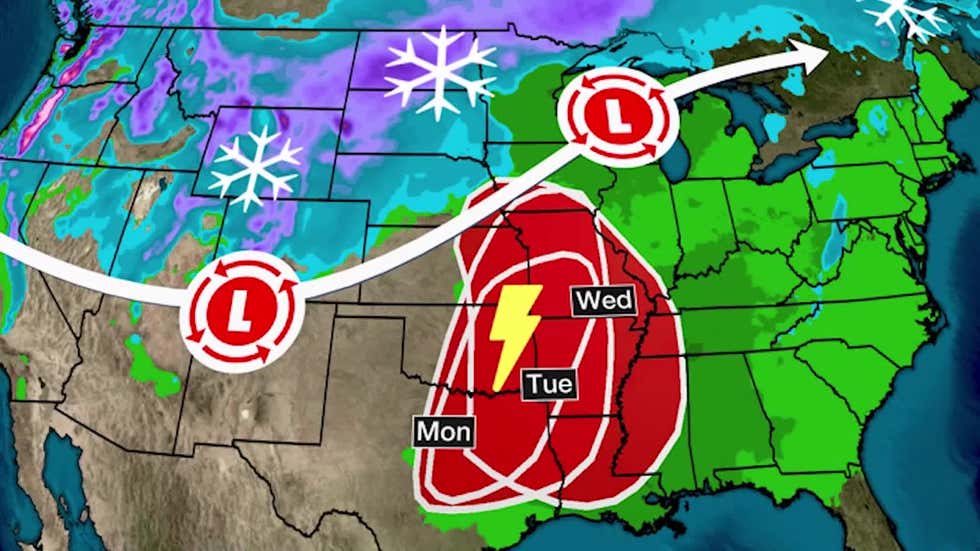
Category 3: 111-129 mph. Significant damage. Your roof might decide it needs a vacation.
Category 4: 130-156 mph. Catastrophic damage. Houses are starting to look like modern art. Less funny now.
Category 5: 157+ mph. Complete devastation. We're talking about areas being uninhabitable for weeks or months. This is when nature says, "Hold my beer."
But here’s the kicker: the Saffir-Simpson scale only goes up to 5. So, what happens when a storm says, "Five isn't enough, I want to go to eleven!"?

The Hypothetical Hyper-Hurricane: A Category 6 (and Beyond?)
Scientifically speaking, there’s no official Category 6. It’s not on the current scale. But that doesn’t stop meteorologists from pondering the terrifying potential. The theoretical maximum power of a hurricane is mostly limited by two things: the ocean's heat and the atmosphere's ability to shed that heat.
Think of the ocean as a giant, liquid battery. The warmer and deeper that warm water goes, the more fuel the hurricane has. A storm basically works like a heat engine, converting that ocean heat into kinetic energy (wind). The more heat, the more efficient the engine, the faster the winds.
So, how strong could winds theoretically get? Some models suggest that under optimal conditions (super-warm ocean water, perfectly calm upper atmosphere with no wind shear to tear it apart, and a ridiculously low central pressure), a hurricane could generate sustained winds in excess of 200 mph, possibly even nudging toward 230 mph. That's faster than a high-speed train! Imagine a storm that literally wants to re-arrange the very atoms of your house.
What Keeps Them in Check? (Thank Goodness!)
Luckily, the universe has a few safety mechanisms to prevent these storms from going full-on apocalypse mode.
Wind Shear: This is like a giant pair of invisible scissors in the upper atmosphere, cutting the storm's head off, preventing it from organizing vertically.
Cool Water: Hurricanes hate cold water. It's like pouring ice water on a fiery furnace. They weaken rapidly over cooler waters.
Land: Land is basically a hurricane's kryptonite. Once it makes landfall, it loses its warm ocean fuel and rapidly dissipates. It's like taking a giant hoover off the plug.
The Toughest Contenders We've Seen
While a Category 6 is still a theoretical monster, we've had some real-life behemoths that made scientists raise an eyebrow or two.
Hurricane Wilma (2005): This storm holds the record for the lowest pressure ever recorded in an Atlantic hurricane (882 millibars). Lower pressure means a stronger pull, like a more powerful vacuum. Wilma intensified at a truly astonishing rate, dropping faster than my hopes on a Monday morning.
Hurricane Allen (1980): This bad boy generated sustained winds of 190 mph over open water, making it one of the strongest storms ever recorded in the Atlantic. It maintained Category 5 intensity for three separate periods during its lifespan, like a relentless heavyweight boxer.
These storms show us what's possible even without reaching the theoretical maximum. They are nature's ultimate flex, reminding us who's really in charge.
The Bottom Line
So, how powerful can a hurricane get? Potentially, strong enough to make our current classification system blush. While we haven't officially seen a "Category 6" that would blow our minds beyond belief, the physics tells us it's not entirely out of the realm of possibility, especially with warming oceans potentially providing more fuel.
For now, let's just appreciate the natural safeguards that keep these storms from reaching their absolute theoretical peak. And maybe, just maybe, try not to stir your latte so vigorously. You never know what you might conjure up.