
How Oil Is Made In The Earth

Alright, settle in, grab your metaphorical (or actual) coffee, because we're about to dive into one of Earth's greatest culinary mysteries: How on earth do we get oil? It’s a question that probably pops into your head right after, “Did I leave the stove on?” and “Where are my keys?” But unlike those easy fixes, the answer to oil’s origins involves billions of years, immense pressure, and a whole lot of dead tiny stuff. No, seriously. Tiny stuff.
Forget what you saw in cartoons. It’s not dinosaurs. Seriously, put that image of a T-Rex dissolving into crude oil right out of your head. While dinosaurs were certainly around during some of the periods when oil was forming, they’re just too big and bony to be the main ingredient. Plus, they mostly lived on land, and our story starts... well, it starts under the sea.
The Microscopic Main Ingredients
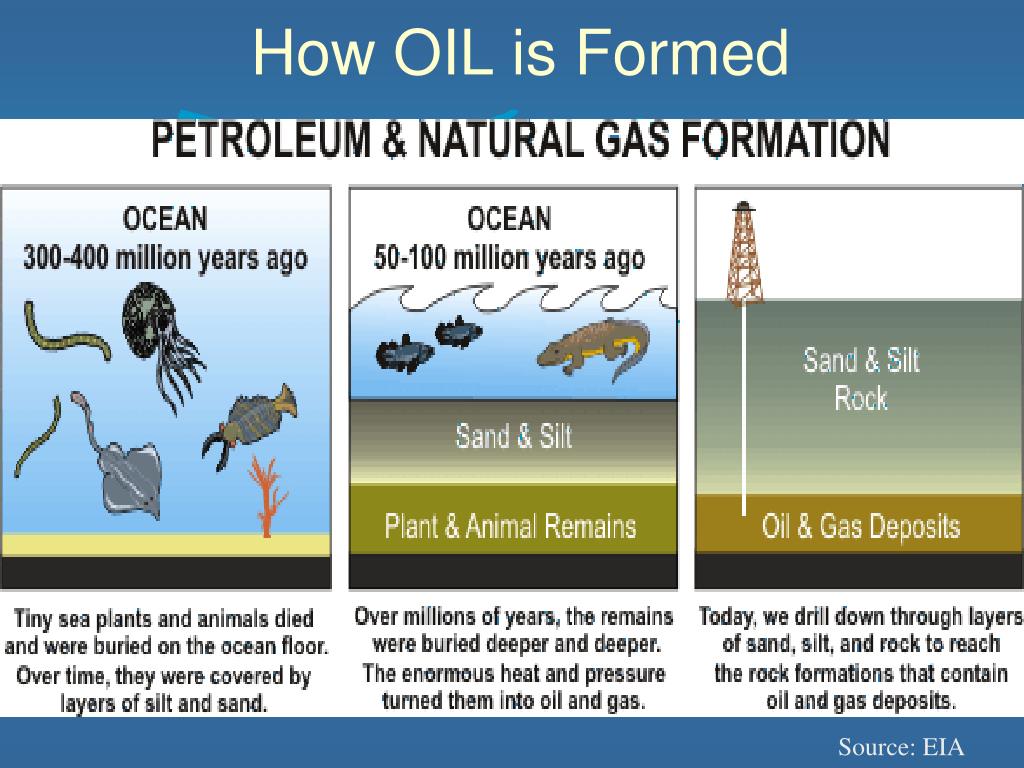
Our story begins with the real MVPs of oil production: microscopic marine organisms. We're talking about tiny algae, plankton, and bacteria that floated around in ancient oceans and lakes, living their best little lives. They were basically the glitter of the prehistoric seas – tiny, numerous, and destined to be everywhere.
Must Read
When these little guys eventually kicked the bucket (a natural part of the lifecycle, no need to cry), they drifted down to the bottom. And we’re talking billions upon billions of them, piling up like the world’s most unfortunate, yet crucial, pancake stack of organic matter. If you ever wondered what happens after you're done existing, for these guys, it's the start of a very long, lucrative, subterranean journey.
The Great Burial: Pressure Cooker Earth
As these layers of organic goo accumulated, they got covered. We're talking mud, sand, silt, and other sediments. Year after year, century after century, millennium after millennium – more layers piled on top. Imagine trying to get out from under a duvet made of continents. That's kind of what happened. These sediments slowly but surely buried our little organic friends, pushing them deeper and deeper into the Earth’s crust.

This burial wasn't just about getting cozy. It was about creating immense pressure. We’re talking thousands of feet, sometimes miles, of rock weighing down on our buried organic matter. It’s like the ultimate geological weight-loss program, but instead of losing weight, they transform into something entirely new. And it’s not just pressure; the deeper you go, the hotter it gets.
The Earth's Oven: Turning Goo Into Gold (Liquid Gold, That Is)
Now, this is where the magic truly happens. Our buried organic matter, under all that incredible pressure and increasing heat, starts to change. It goes through a process that’s basically the Earth’s slowest, most meticulous cooking show. First, the organic material transforms into something called kerogen. Think of kerogen as a waxy, solid precursor to oil – it’s like the raw dough before it becomes bread.
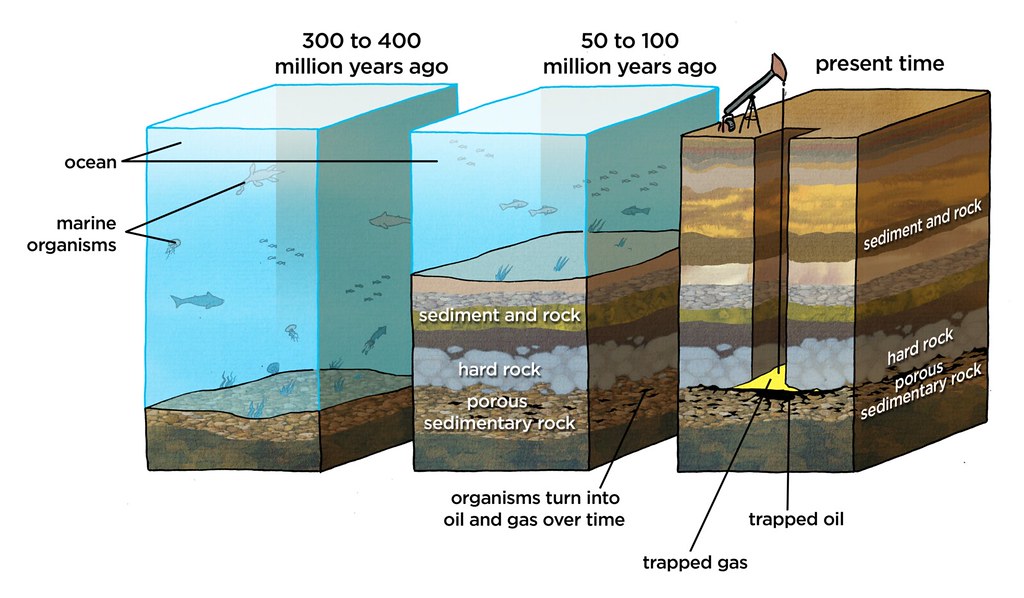
The temperature is crucial here. There's a "Goldilocks zone" for oil formation. If it's too cool, the kerogen just stays kerogen. If it's too hot, it turns straight into natural gas (or even graphite, if you really crank up the heat – not great for your car). But if it’s just right – roughly between 60°C and 160°C (140°F to 320°F) – over millions of years, the kerogen "cracks" and breaks down into hydrocarbons: crude oil and natural gas.
This "cracking" is essentially a very slow, natural chemical reaction driven by heat and pressure. It’s like the Earth has its own industrial-scale refinery, but without the pesky need for human engineers or safety goggles. Just billions of years and geology doing its thing.
The Great Escape: Migration and Trapping
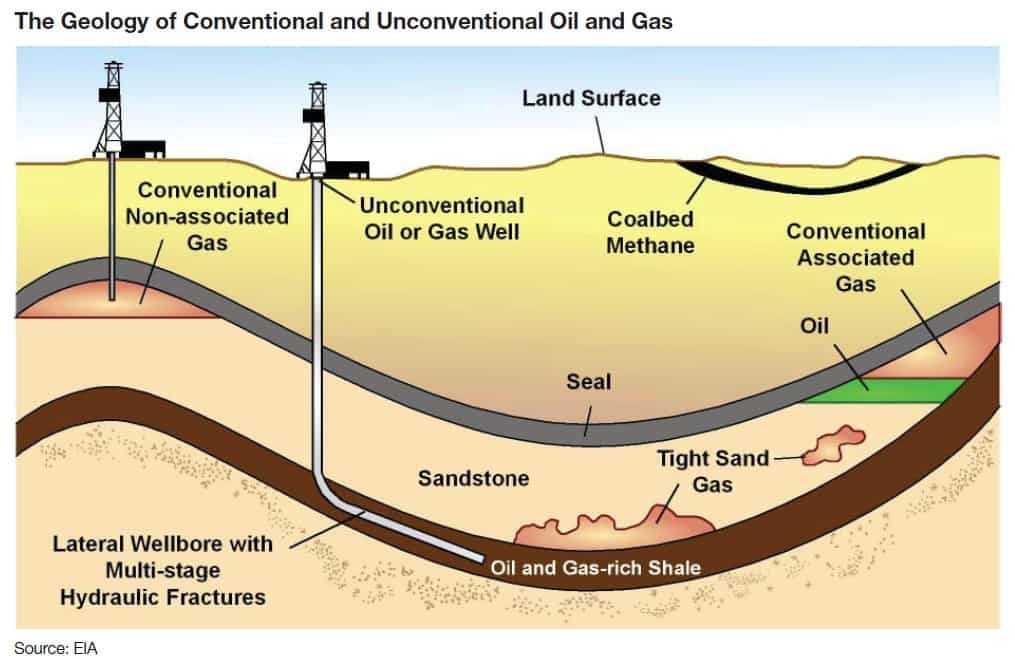
Once our crude oil is formed, it doesn't just sit there politely. It's lighter than water, and it's surrounded by water within the rock pores. So, like a mischievous teenager, it tries to escape! It begins to migrate upwards, seeping through tiny cracks and porous rocks, kind of like water moving through a sponge.
It keeps moving until it hits a snag – an impermeable layer of rock. This could be a dense shale layer, a salt dome, or a fault line that creates a barrier. These geological structures act like a cap, stopping the oil’s upward journey and essentially trapping it. Imagine a giant, underground upside-down bowl catching all the rising oil.
When oil accumulates in these traps, it forms an underground reservoir. This is where we come in with our drills, hoping to tap into these ancient, buried treasures. It's a bit like finding a perfectly preserved, extremely valuable time capsule filled with the liquefied remains of microscopic organisms.
A Liquid Legacy
So, the next time you fill up your car, heat your home, or glance at that plastic widget, remember the epic, slow-motion journey that made it possible. It’s a tale not of mighty dinosaurs, but of countless tiny organisms, immense geological forces, and billions of years of patient cooking by planet Earth. It’s a testament to the incredible, relentless, and often humorous processes that shape our world.
And if anyone ever tells you oil comes from dinosaurs, you can now confidently (and perhaps a little smugly) tell them the real, tiny, and utterly fantastic truth. You're welcome.