
How Often Should You Recharge Your Ac In Your Car

Let's talk about that magical box in your car that blasts arctic air on a sweltering summer day: your AC. We all love it, we all need it, but how often do we actually think about keeping it happy?
The answer isn't as straightforward as "every six months" or "whenever your pet goldfish gets a chill," so settle in. It's more like...well, it depends.
The "Just Let It Be" Approach (and Why It's Risky)
Some folks subscribe to the "if it ain't broke, don't fix it" philosophy when it comes to car AC. They wait until the air blowing out feels more like a lukewarm breeze than a polar vortex before even considering a recharge.
Must Read
This approach can work, in theory. Think of it as the "leave it to fate" strategy. However, like leaving your houseplant untended, things can get ugly fast. We are not trying to gamble with our comfort or our cars, are we?
Waiting until your AC completely gives up the ghost can lead to bigger, more expensive problems down the road. Imagine putting off a small plumbing leak, only to find your entire basement flooded months later. Same idea here!
The Gradual Decline: A Sign to Watch For
The truth is, your AC's cooling power usually diminishes gradually over time. It’s a slow fade, not a sudden blackout.
You might notice the air isn't quite as icy as it used to be, or that it takes longer to cool down the car. This is your AC whispering (or maybe just sighing heavily) that it could use a little TLC.
Think of it as your car's way of saying, "Hey, remember that time you promised to buy me new air freshener? Maybe a recharge would be nice too."
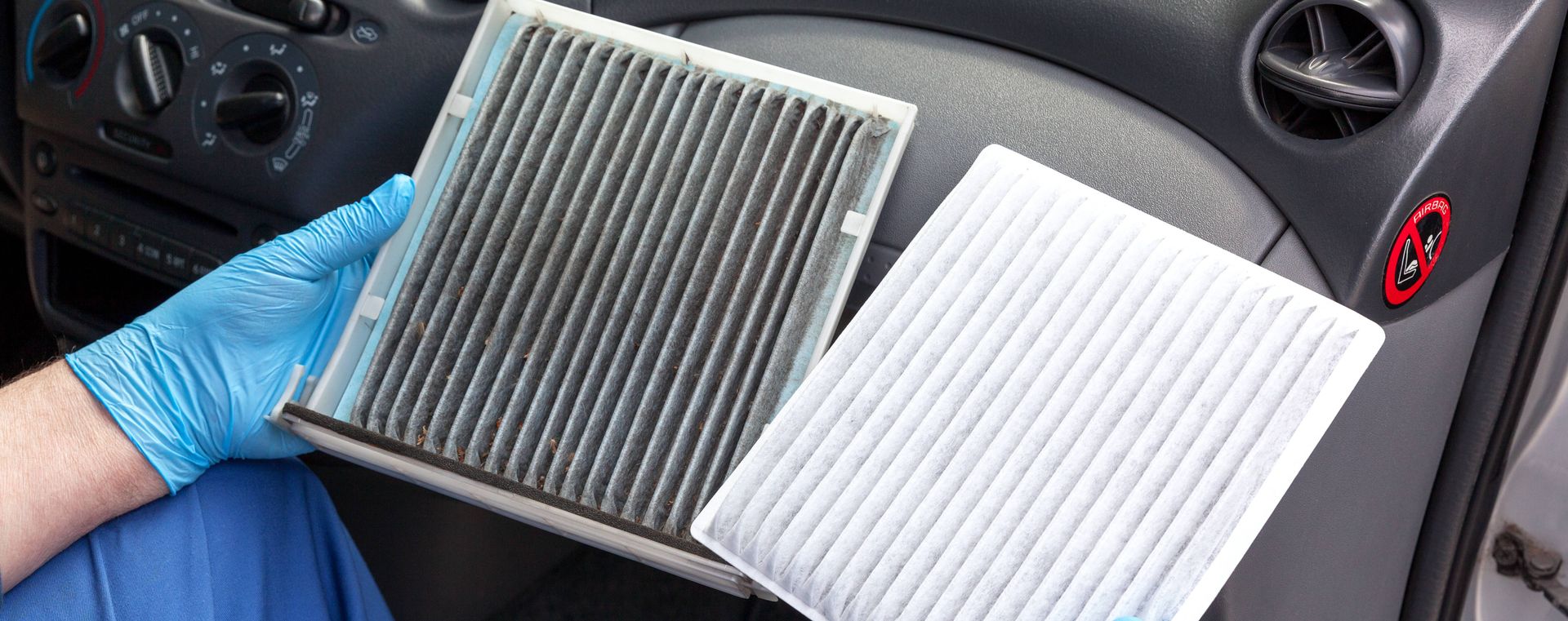
The "Preventative Maintenance" Path (aka The Smart Choice)
For those who prefer a more proactive approach, regular check-ups are key. This isn't about paranoia; it's about extending the life of your AC and avoiding those unexpected, wallet-draining repairs.
Many mechanics recommend checking your AC system every one to two years. This includes checking the refrigerant level and looking for leaks. This is like going to the doctor for a check up: catching potential problems early.
Consider it a spa day for your car's AC. A little pampering can go a long way!
DIY vs. Professional: What's Right for You?
You can buy DIY AC recharge kits at most auto parts stores. They're relatively inexpensive and seem pretty straightforward. Seem being the operative word.
While these kits can be tempting, especially for the budget-conscious, they also come with a few potential pitfalls. Overcharging your AC system can be just as bad as undercharging it.

Think of it like trying to bake a complicated cake without a recipe. You might end up with something edible, but it's probably not going to win any awards. Plus, some refrigerants are harmful, so being careful is key!
A professional mechanic has the tools and expertise to accurately diagnose and repair any issues with your AC system. They can also safely handle refrigerants and ensure that your system is properly charged.
Sometimes, paying a little extra for professional service can save you a lot of headaches (and money) in the long run.
Factors That Influence Recharge Frequency
Several factors can affect how often your car's AC needs a recharge. Let's take a look:
Climate: If you live in a scorching hot climate, your AC will be working overtime, which means it may need more frequent recharges. It is almost a guarantee.
Usage: The more you use your AC, the faster the refrigerant will deplete. Running it on full blast all the time is like sprinting a marathon – it takes a toll. Using it only when needed could extend its life!
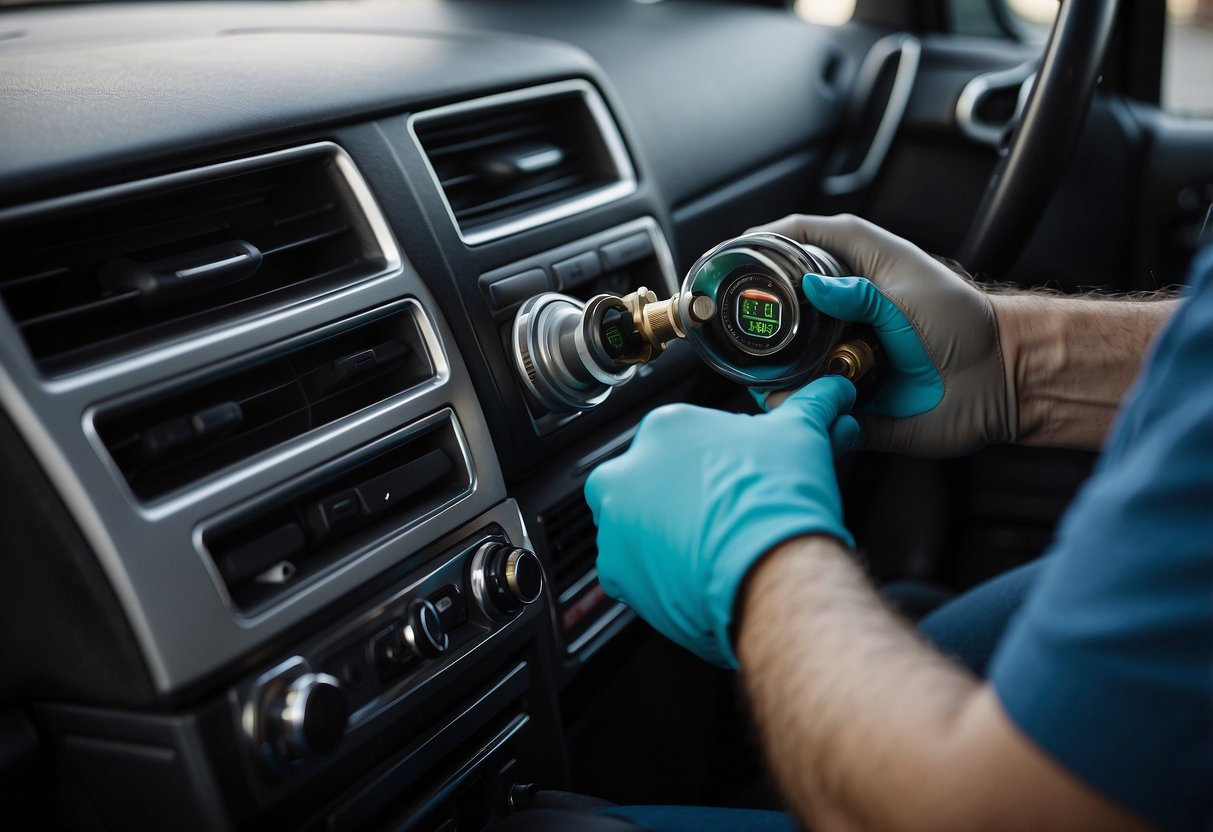
Leaks: Even a small leak can cause refrigerant to escape over time. Leaks are the silent assassins of AC systems.
Age of the Vehicle: Older cars are more likely to have leaks or other issues that can affect AC performance. Think of it as the automotive equivalent of needing reading glasses.
Signs Your AC Might Need a Recharge
Here are some telltale signs that your car's AC might be begging for a recharge:
Weak Airflow: If the air coming out of the vents feels weak or inconsistent, it could be a sign that the refrigerant level is low. This is like your AC whispering, "I'm tired!"
Warm Air: This is the most obvious sign. If your AC is blowing warm air, it's definitely time for a check-up. That's AC screaming for help!

Unusual Noises: Strange noises coming from the AC system, such as hissing or rattling, could indicate a problem. Think of it as your car's way of saying, "Something's not right!"
Visible Leaks: If you see any signs of leaks around the AC compressor or hoses, it's important to get them fixed immediately. This is like seeing a warning sign flashing in bright neon letters.
The "Peace of Mind" Recharge
Even if your AC seems to be working fine, a preventative recharge can give you peace of mind, especially before a long road trip. Nobody wants to be stuck in traffic on a hot day with a failing AC.
Consider it an investment in your comfort and sanity. A happy driver is a safe driver!
So, how often should you recharge your car AC? There's no one-size-fits-all answer. But by paying attention to the signs, staying proactive, and consulting with a professional when needed, you can keep your AC running cool for years to come. Happy motoring!
Ultimately, taking care of your car's AC is a small price to pay for the comfort and convenience it provides. Don't wait until you're sweating bullets on a summer day to take action. Remember, a little preventative maintenance can go a long way.
And who knows? Maybe your AC will even thank you with an extra-chilly blast of air on the next hot day. Or maybe not. But at least you'll be comfortable!