
How Often Should You Change Your Air Filter At Home
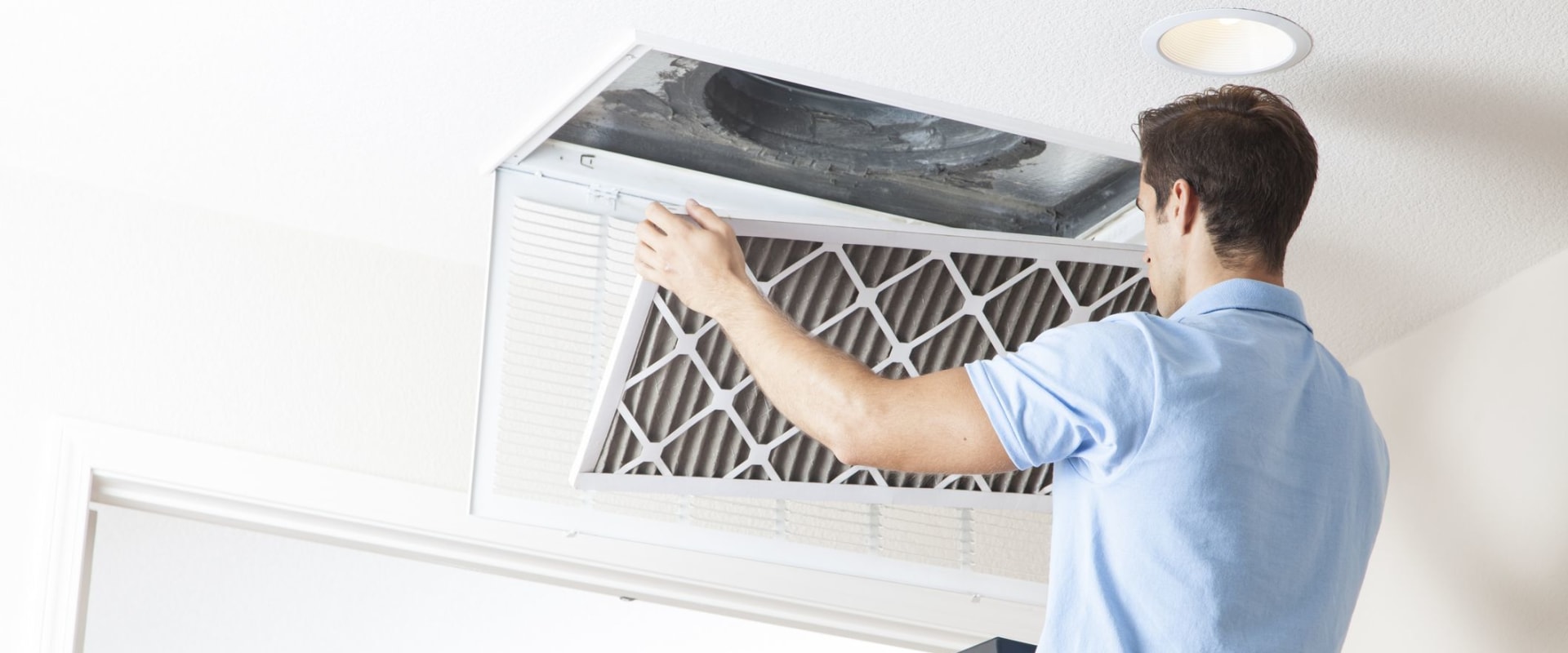
So, you're probably wondering, how often should I actually change that thing? You know, that beige, pleated rectangle lurking behind the vent cover – your home's air filter?
It's a question that plagues homeowners everywhere, right up there with "Where did all the socks go?" and "Why is the dog eating grass again?".
The Great Air Filter Mystery: Solved (Sort Of)
Let's be honest, remembering to change your air filter probably falls somewhere between flossing daily and cleaning out the fridge. It's on the list, maybe even starred, but life happens.
Must Read
But fear not! We're here to unravel this mystery and make it, dare we say, slightly less boring.
The "Every Three Months" Rule: A Good Starting Point
The general consensus? Change your standard 1-inch air filter every 90 days, or every three months. Think of it like clockwork, a quarterly ritual.
Mark it on your calendar, set a phone reminder, train your pet parrot to squawk "Air Filter!" every three months. Whatever works!
Now, here's where things get interesting. That "every three months" rule? It's more of a guideline than a hard-and-fast law, like pirate code in the age of HVAC systems.
Factors That Turn Three Months Upside Down
Several factors can dramatically alter how often you need to swap out that dusty rectangle. It's all about understanding your home's unique situation.
Pet People, Beware: The Furry Factor
Ah, pets. Our furry overlords. We love them, but let's face it, they shed. A lot. If you're sharing your home with a shedding machine (a cat, a dog, a particularly fluffy hamster), you might need to change your filter more frequently, maybe every 60 days.
All that pet dander clogs up the filter faster, making your HVAC system work harder. Imagine wearing a wool sweater in July. That's your HVAC system with a clogged filter.
"My golden retriever's shedding alone could knit a whole new sweater collection every month!" – Sarah M., Dog Owner
Allergies and Asthma: A More Sensitive Situation
Do you or someone in your family suffer from allergies or asthma? Then a clean air filter isn't just a good idea, it's essential.
Consider changing your filter every month, or even more frequently, especially during peak allergy seasons. Think spring pollen explosions and fall ragweed rampages.
A clean filter can significantly reduce allergens and irritants circulating in your home, making a world of difference for sensitive respiratory systems.
Home Improvement Projects: Dust's Worst Nightmare
Renovating? Remodeling? Even a small DIY project can generate a surprising amount of dust and debris.
During and after any home improvement project, change your air filter more often. It's like giving your lungs a much-needed break from the construction zone.
Think of it as a post-project detox for your home's air system.
Location, Location, Location: The Great Outdoors Influence
Where do you live? In a dusty, arid climate? Near a construction site? Or a busy road?
Environmental factors can significantly impact how quickly your air filter gets dirty. Homes in areas with high pollution or airborne particles will likely need more frequent filter changes.
Consider it the price of living in a vibrant (and sometimes dusty) location.
The Visual Inspection: Your Filter's Secret Language
Sometimes, the best way to know when to change your air filter is simply to look at it. Yes, get up close and personal with that dusty rectangle.

If it's visibly clogged with dust, dirt, and debris, it's time for a change. Don't wait for the calendar to tell you what your eyes are already screaming.
A clean filter should be a relatively light color, a clogged one is generally dark gray or even black.
How To Check The Air Filter
Turn off your HVAC system. It’s important for your safety and the health of your system. Locate your filter. The filter is usually located in the return air vent, which is the vent that sucks air into the system.
Remove the filter cover. Most filters are held in place by a latch or screws. Slide out the old filter. Be careful not to let any dust or debris fall into the ductwork.
Hold the filter up to the light. You should be able to see light coming through a clean filter. If you cannot see light coming through the filter or it is covered in dust and debris, it is time to replace it.
The Benefits of a Clean Air Filter: More Than Just Clean Air
Changing your air filter regularly isn't just about breathing easier. It's about the overall health and well-being of your home and your HVAC system.
Energy Efficiency: Saving Money, One Filter at a Time
A clean air filter allows your HVAC system to run more efficiently, which can save you money on your energy bills.
A clogged filter forces your system to work harder, consuming more energy and potentially leading to costly repairs down the road.
Think of it as a small investment in long-term savings. Plus, you can use that extra money for something fun, like a pizza night or a new pair of shoes.

HVAC System Longevity: Extending the Life of Your Investment
Regularly changing your air filter can extend the lifespan of your HVAC system. It's like preventative medicine for your home's heating and cooling system.
A clean filter reduces strain on the system, preventing overheating and other potential problems.
A well-maintained HVAC system will keep you comfortable for years to come.
Improved Air Quality: Breathing Easier, Living Healthier
Of course, the most obvious benefit of a clean air filter is improved indoor air quality. This is especially important for people with allergies, asthma, or other respiratory problems.
A clean filter traps dust, pollen, pet dander, and other airborne particles, creating a healthier and more comfortable living environment.
It's like giving your lungs a breath of fresh air, right in your own home.
Choosing the Right Air Filter: A Plethora of Options
Air filters come in a variety of sizes and MERV ratings (Minimum Efficiency Reporting Value), which indicate how effectively the filter captures particles.
Higher MERV ratings mean better filtration, but they can also restrict airflow. Consult your HVAC system's manual or a professional to determine the appropriate MERV rating for your system.
And remember, the most expensive filter isn't always the best. Choose a filter that meets your needs and budget.

Fiberglass Filters
These are the most economical filters. Good for trapping large particles, but doesn't help with allergies and asthma.
Pleated Filters
These are the most common type of filter. This helps to trap smaller particles like pollen and pet dander. Better for allergies and asthma.
HEPA Filters
These are the most expensive type of filter. These filters trap even the smallest particles like bacteria and viruses. Best for allergies and asthma.
The Bottom Line: A Clean Air Filter is a Happy Air Filter (and a Happy Home)
So, how often should you change your air filter? The answer, as with most things in life, is "it depends."
Start with the "every three months" rule, but adjust based on your individual circumstances. Consider pets, allergies, home improvement projects, and your location.
And don't forget the visual inspection! Your air filter will tell you when it's time for a change, you just have to listen.
Ultimately, taking care of your air filter is a small but important step in maintaining a healthy, comfortable, and energy-efficient home. It's a surprisingly simple act that can make a big difference.
So go forth, conquer that dusty rectangle, and breathe easy knowing you've done your part to keep your home's air clean and fresh! Your lungs (and your wallet) will thank you.
And hey, maybe you'll even find that missing sock behind the vent cover while you're at it!