
How Often Should A Refrigerator Turn On And Off

Okay, let's talk refrigerators. Specifically, how often that big ol' box of chill in your kitchen should be humming, whirring, and generally making its presence known. You might be thinking, "Why should I even care?" Well, stick with me, and I promise, you'll see why understanding your fridge's cycle is like knowing the secret handshake to saving money and keeping your food happy.
Think of your refrigerator as a sleepy dragon. It doesn't want to be blasting cold air all the time, just enough to keep its treasure (your groceries!) nice and safe. So, it periodically wakes up, breathes some frosty breath, and then dozes off again. But how often should this dragon be stirring?
The Magical Number (Sort Of): Cycles Per Hour
Generally speaking, a refrigerator should cycle (turn on and off) about every 30 minutes to an hour. That's a pretty broad range, I know, but hear me out. It’s not an exact science! There's no fridge police coming to issue you a citation if yours runs for 25 minutes or 70. But that's the ballpark we're playing in.
Must Read
Imagine you're baking cookies. You set the oven for a certain temperature, right? The oven doesn't just blast heat constantly; it cycles on and off to maintain that perfect cookie-baking environment. Your fridge is doing the same thing, just for broccoli and yogurt instead of chocolate chips.
Why Should You Even Bother Knowing This?
Glad you asked! Here's the scoop: a fridge that's running too much or not enough is a sign something's up. And "something's up" usually translates to either wasted energy (hello, higher electricity bill!) or spoiled food (goodbye, perfectly ripe avocado!).
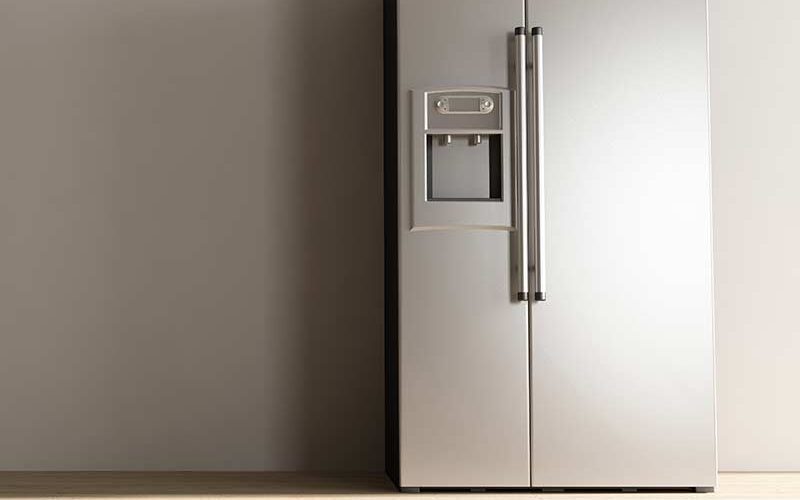
A fridge that's running constantly is working overtime. It's like that friend who always says "yes" to everything and ends up exhausted. It could mean:
- The door isn't sealing properly: Check the rubber gasket around the door. Is it cracked, dirty, or loose? A bad seal lets warm air in, making your fridge work harder. Think of it as trying to heat your house with the windows open!
- The condenser coils are dirty: These coils are usually on the back or bottom of your fridge and release heat. If they're covered in dust bunnies, they can't do their job properly. Grab a vacuum cleaner and give them a good cleaning!
- It's overstuffed: A packed fridge can restrict airflow, making it harder to cool everything down. Give your fridge some breathing room! (And maybe finally get around to using that jar of pickled onions from 2018…)
- The temperature setting is too low: Sometimes it's the simplest things. Make sure you haven't accidentally cranked the fridge down to "Arctic Blast."
On the other hand, a fridge that rarely runs might have a different set of issues. This is less common, but still worth considering. It could indicate a problem with the compressor or a faulty thermostat. In this case, calling a repair person might be the best course of action.
The "Listen to Your Fridge" Method
Okay, so you don't have to sit there with a stopwatch timing your fridge's cycles. But pay attention to it! Become fridge-aware! Is it running more than usual after you've loaded it with groceries? Is it making strange noises? These are all clues that something might be amiss.
Think of it like your car. You don't need to be a mechanic to know when something's not right. A weird noise, a strange smell – these are all signals to investigate. Your fridge is the same way.
External Factors: It's Not Always Your Fridge's Fault
Keep in mind that external factors can also affect how often your fridge cycles. A hot summer day, opening the door frequently, or loading it up with warm food will all make it run more often. That's perfectly normal.

Imagine coming in from a run and chugging a huge glass of ice water. You're going to be cooler for a while, but your body had to work to cool that water down. Same with your fridge and that container of leftover chili.
The Bottom Line: Be a Fridge Detective
So, how often should your refrigerator turn on and off? Aim for around every 30 minutes to an hour, but don't panic if it's a little off. Pay attention to its behavior, listen for unusual noises, and keep those coils clean! By being a little fridge detective, you can save money, keep your food fresh, and maybe even prolong the life of your beloved appliance. And that's something to smile about.
And if all else fails, remember this: a happy fridge is a quiet-ish fridge. Listen carefully, and your fridge will tell you what it needs.
