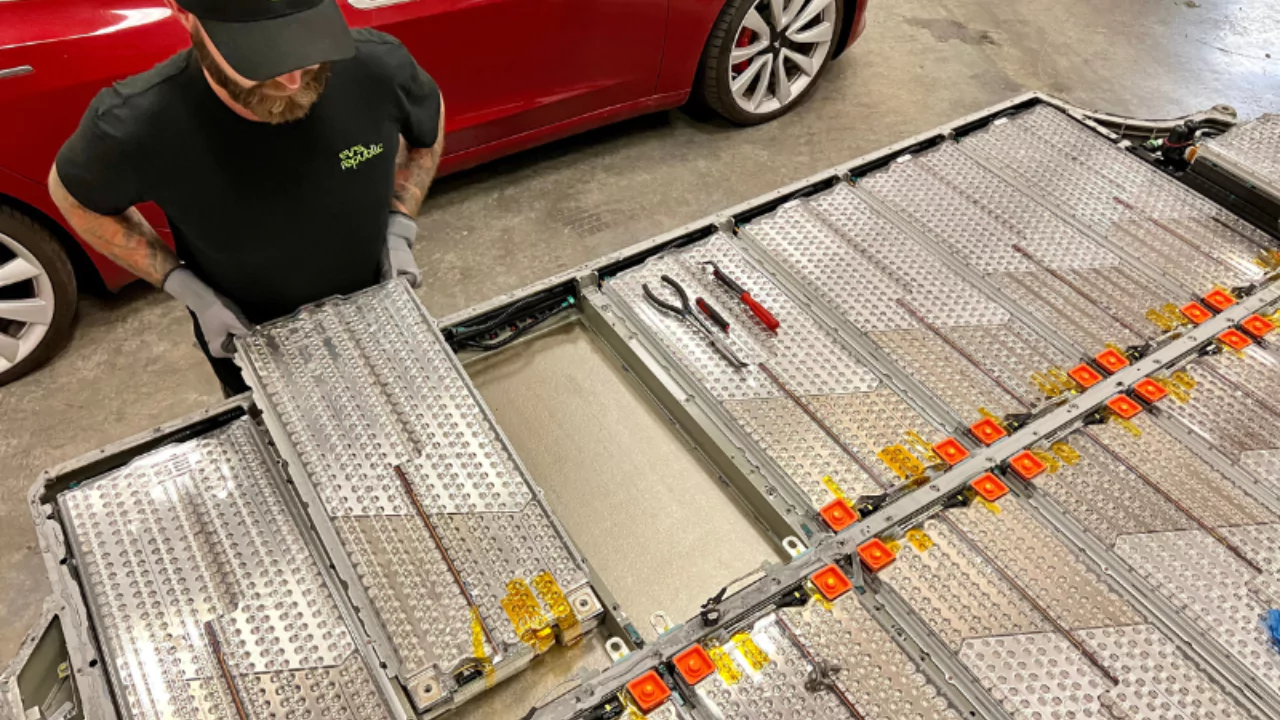
How Often Do Tesla Batteries Need To Be Replaced

Let's face it, buying a Tesla is a big deal! You're not just getting a car; you're stepping into the future. And with that future comes a few inevitable questions, the biggest one probably being: how long is this amazing battery actually going to last? It's a valid concern! After all, the battery is the heart of your Tesla, and replacing it sounds like it could cost a small fortune. But don't panic! We're here to break down the lifespan of Tesla batteries in a way that's easy to understand (and hopefully, eases your mind).
So, what's the purpose of understanding Tesla battery longevity? Simply put, it's about peace of mind and planning for the future. Knowing the likely lifespan and degradation patterns of your battery empowers you to make informed decisions about maintenance, resale value, and overall ownership. It's all about being prepared and avoiding unexpected expenses down the line.
The good news? Tesla batteries are built to last. Tesla themselves design these batteries with longevity in mind. They are designed to handle significant mileage. The average Tesla battery is expected to last between 300,000 and 500,000 miles. That's like driving across the United States over 100 times! In terms of years, that translates to roughly 15-20 years of use, depending on your driving habits.
Must Read
Now, before you start thinking your battery will suddenly die the moment it hits 300,000 miles, let's talk about battery degradation. Like any battery (think your phone or laptop), Tesla batteries gradually lose capacity over time. This means you might not get the same range as when the car was brand new. However, the degradation is usually pretty gradual. Tesla guarantees a certain percentage of battery capacity for a specific period, often around 70% after 8 years or a certain mileage threshold. Check your specific warranty details for the exact terms!
Several factors influence how quickly your battery degrades. These include driving habits (aggressive acceleration and braking can take a toll), charging habits (frequent supercharging might accelerate degradation slightly), and climate (extreme temperatures can impact battery performance). Try to avoid consistently charging to 100% and letting the battery completely drain. Sticking to a charge range of 20-80% for daily driving is generally recommended to extend battery life.

What about replacement costs? While a full battery replacement is a significant expense, it's becoming less of a worry as battery technology advances and production costs decrease. The cost can vary depending on the model, battery size, and location, but you can get a rough estimate from Tesla or independent repair shops. Plus, advancements in battery technology are continuously pushing the boundaries of lifespan and performance. This means that replacement batteries in the future might even be better than the original!
In conclusion, while replacing a Tesla battery is a possibility down the road, it's not something you need to lose sleep over. With proper care and understanding of battery degradation, you can enjoy your electric ride for many years and miles to come. Drive smart, charge responsibly, and enjoy the benefits of electric vehicle ownership!