
How Often Do Sump Pumps Need To Be Replaced
Hey there, basement buddy! Let's talk about that unsung hero lurking in the corner of your crawl space or basement: the sump pump. No, not your long-lost cousin Sump, but the actual mechanical marvel that keeps your abode from turning into an indoor swimming pool. Fun stuff, right? (Okay, maybe not fun, but definitely important!)
You probably don't think about it much... until it's pouring rain and you hear that comforting whir, or worse, deafening silence. Then, suddenly, your sump pump is the most important thing in your life. But how often should you actually be thinking about replacing this watery watchdog? Let's dive in!
The Million-Dollar Question (Well, Maybe More Like a Few Hundred Bucks)
Alright, no beating around the bush. The general consensus, and what most pros will tell you, is that a sump pump typically has a lifespan of about 7 to 10 years. Think of it like your favorite pair of sneakers – eventually, they just wear out, no matter how much you love them.
Must Read
Now, is that a hard and fast rule set in stone by the ancient Sump Pump Gods? Not exactly. There's a little wiggle room, like trying to fit into those jeans from high school. Factors, my friend, factors are at play!
Why "It Depends" Isn't Just a Lazy Answer (Sometimes)
Let's unpack why your neighbor's pump might have lasted 15 years while yours kicked the bucket after 6. It’s not just bad luck (though sometimes, let's be real, it feels like it is!).
1. How Hard Does It Work?

If you live in an area prone to heavy rainfall or have a high water table, your sump pump is basically training for a marathon every time it rains. It's constantly pumping, straining, and earning its keep. A pump that's always on duty will naturally wear out faster than one that only gets called into action for the occasional drizzle. Think of it as a superstar athlete versus a couch potato – one's going to need retirement sooner!
2. Quality Matters, Baby!
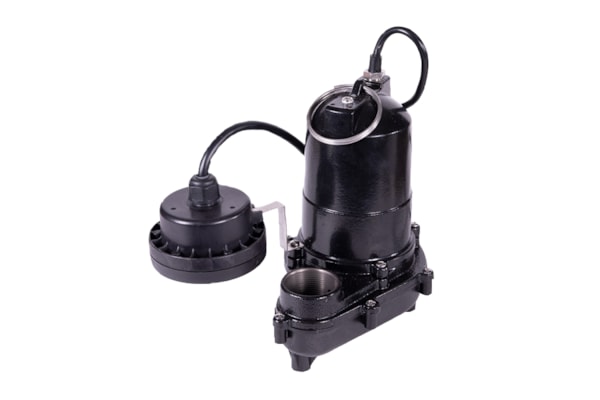
Just like anything else, there's a spectrum of quality. A cheap, plastic-fantastic model might not stand the test of time (or heavy debris) as well as a robust, cast-iron powerhouse. Investing a little more upfront often pays off in longevity. It's the difference between a flimsy umbrella and a sturdy rain jacket – both keep you dry, but one lasts longer.
3. Installation Superheroes (or Villains)
A properly installed sump pump with a good pit, correct pipe sizing, and a reliable check valve will operate more efficiently and last longer. A shoddy install? That's just asking for trouble, like trying to build a sandcastle with a spoon.
4. The Neglect Factor (Oops!)
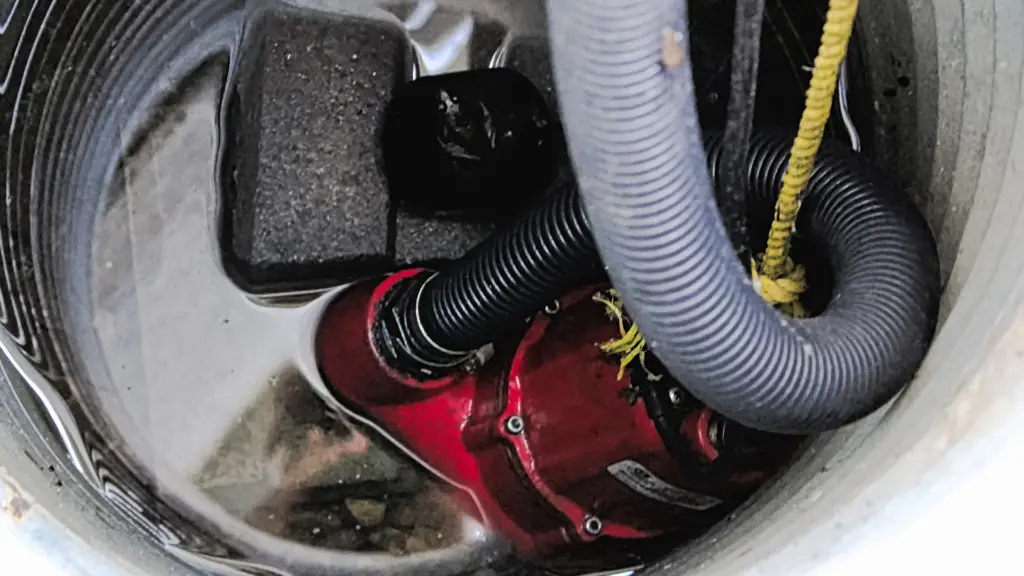
Do you ever peek into your sump pit? Clear out debris? Test it regularly? If your answer is a sheepish "Uhh...", you're not alone! But letting leaves, dirt, or other gunk accumulate can make your pump work harder and shorten its life. A little TLC goes a long way, even for a humble sump pump.
Telltale Signs It's Time for a Changing of the Guard
So, you're not sure how old your pump is, or maybe it's hitting that 7-year mark. How do you know if it's getting ready to wave the white flag?
- Strange Noises: Is it gurgling like a grumpy old man? Grinding like a rusty robot? Or just generally sounding like it's in pain? These are red flags!
- Running Constantly (or Not At All): If it's running even when there's no water, or not kicking on when there is water, Houston, we have a problem.
- Visible Rust or Corrosion: If your pump looks like it's been shipwrecked for a century, that's a pretty strong hint it's nearing its end.
- Excessive Vibration: A little hum is normal; a violent shake-and-shimmy dance is not.
- Frequent Cycling: If it's turning on and off more often than a light switch at a rave, something's amiss.
- The "Senior Citizen" Pump: Even if it seems okay, if it's over 10 years old, it's living on borrowed time. Proactive replacement can save you a world of heartache (and wet carpet!). It's like upgrading your phone before it starts randomly calling your exes.
Don't Wait for a Flood to Say "Hello, New Pump!"
Seriously, this is the big takeaway. Waiting until your basement looks like an Olympic swimming pool is definitely not the ideal time to realize you need a new sump pump. The cost of replacing a pump is usually far less than the cost of water damage remediation, mold removal, and replacing cherished belongings. Your wallet (and your sanity) will thank you.

Consider replacing your sump pump proactively around the 7-year mark, especially if it works hard. It's like getting your car's oil changed; it's preventative maintenance for your peace of mind.
Keep Your Basement Dry, Keep Your Spirits High!
While thinking about sump pump replacement might not be as thrilling as, say, planning a vacation, it’s a crucial part of homeownership. A reliable sump pump is like a silent guardian, a watery superhero standing watch over your home.
So, take a moment, give a little nod to your sump pump, and if it's nearing its retirement age or showing signs of fatigue, start planning for its well-deserved replacement. You’ll sleep better, your basement will stay drier, and you'll have one less thing to worry about. And isn't that a truly uplifting thought? Stay dry out there, friends!