
How Much Weight Can A Commercial Plane Carry
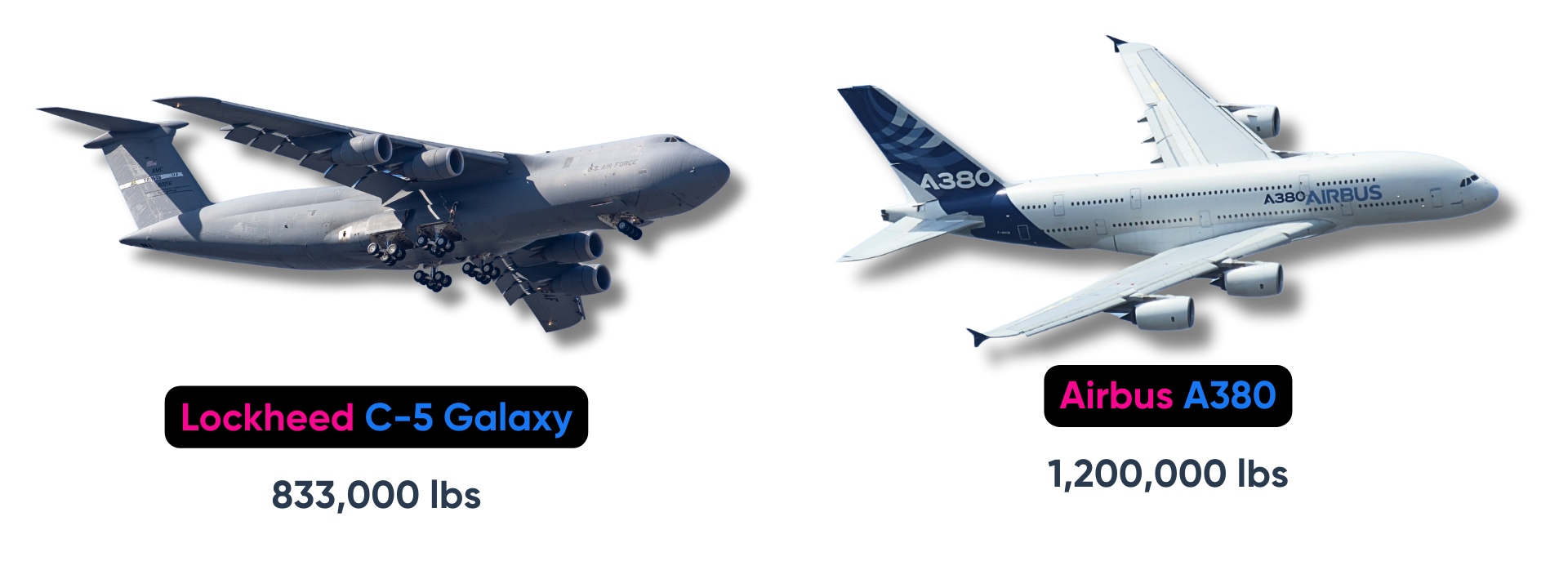
Ever wondered what it takes to get a behemoth of metal soaring through the sky? We're not just talking about wings and engines, but the sheer weight these commercial airplanes can haul. It's a mind-boggling feat of engineering, logistics, and a whole lot of math. Let's unpack it, shall we?
The Big Numbers: Understanding Aircraft Weight
First things first: understanding the lingo. Aircraft weight isn't just one number. It's a whole family of figures that engineers, pilots, and airlines obsess over.
Maximum Takeoff Weight (MTOW): This is the big one. It's the absolute heaviest the plane is allowed to be when it leaves the ground. Think of it as the plane's "red line." Going over it is a major no-no.
Must Read
Empty Weight: This is the weight of the aircraft itself, sans fuel, passengers, cargo, or crew. It's essentially the plane in its birthday suit.
Payload: This is the total weight of everything you add to that birthday suit. Passengers, luggage, cargo, and even that little bag of peanuts they hand out – it all counts!
Maximum Landing Weight (MLW): Planes are generally allowed to land heavier than their empty weight. This number exists because airplanes are usually lighter after consuming fuel in flight.
So, how much are we actually talking about? A Boeing 747, that iconic jumbo jet, can have a MTOW of around 875,000 pounds (almost 400,000 kg)! That's like lifting roughly 700 VW Beetles. Smaller planes, like a Boeing 737 or Airbus A320, typically have MTOWs ranging from 150,000 to 190,000 pounds.

What Impacts the Weight a Plane Can Carry?
It's not just about the size of the plane; several factors play a crucial role:
Engine Power: More powerful engines mean the plane can lift more weight. It's pretty straightforward.
Wing Design: The shape and size of the wings determine how much lift the plane can generate.
Runway Length: A longer runway allows the plane to accelerate to a higher speed, generating more lift and enabling it to take off with a heavier load. Ever notice how airports in hot climates often have longer runways? Hot air is less dense, requiring greater speeds for takeoff.
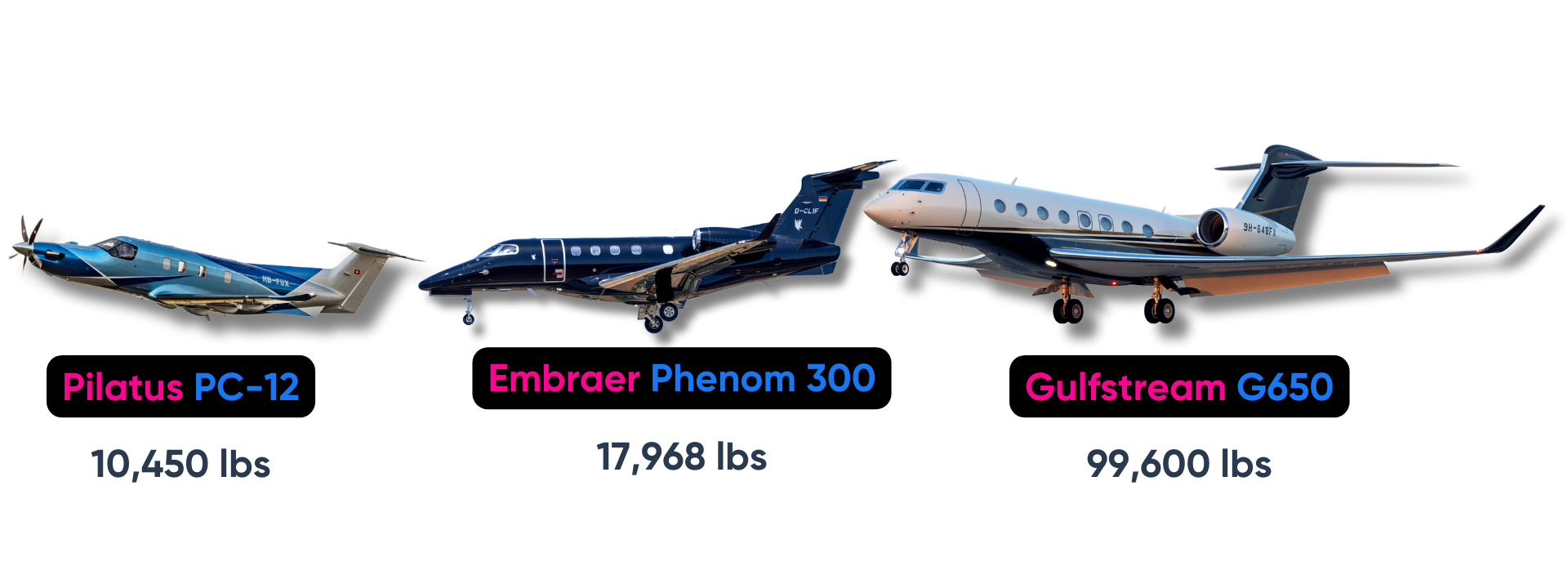
Air Density: Speaking of hot air, air density affects lift. Planes can carry less weight on hot days or at high altitudes, where the air is thinner. This is why you might hear pilots talking about adjusting takeoff procedures in certain conditions.
Regulations: Aviation authorities like the FAA and EASA set strict weight limits for safety reasons. Airlines must adhere to these regulations to ensure the aircraft operates within safe parameters.
Beyond Passengers: What Else Are We Weighing?
While passengers and their luggage are a significant part of the payload, consider everything else going on behind the scenes. There’s:
Cargo: A lot of what flies in the belly of the plane isn’t suitcases. It's freight – everything from electronics to fresh produce, essential supplies, and even human organs for transplant.
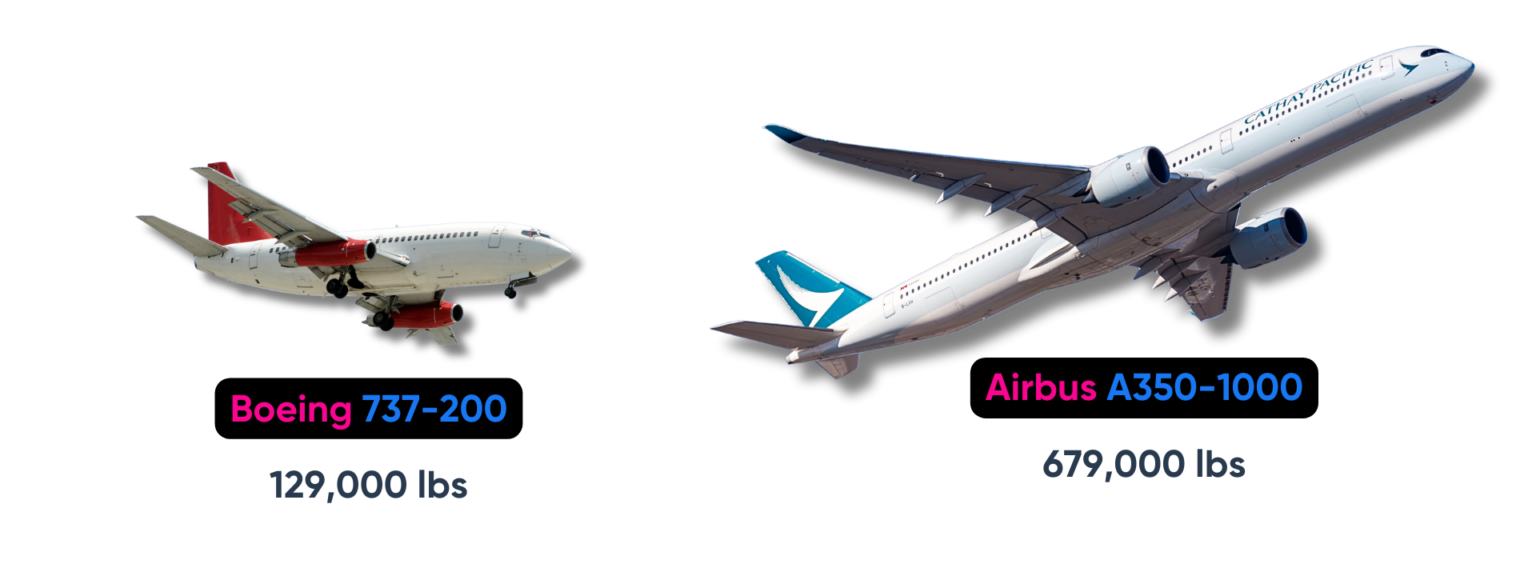
Fuel: Fuel itself accounts for a massive chunk of the weight. A long-haul flight can require tens of thousands of gallons of fuel. It's often the single heaviest component of the payload.
Catering: All those meals, snacks, and drinks add up! Believe it or not, the weight of the in-flight catering is carefully calculated.
Practical Tips for Passengers
So, how does all this affect you, the everyday traveler? Here are a few tips:
Weigh Your Luggage: Always check your luggage weight before heading to the airport. Exceeding the limit can result in hefty fees. Invest in a luggage scale – it’s a lifesaver.

Pack Strategically: Consider the weight of your clothing and toiletries. Opt for lighter fabrics and travel-sized containers.
Wear Your Heaviest Items: On days where you're really pushing the weight limit, wear your bulkiest shoes and jacket. Every ounce counts!
Be Aware of Carry-On Restrictions: Carry-on luggage also has weight limits. Don’t assume you can cram everything into your carry-on to avoid checked baggage fees.
A Little Perspective
The next time you're settling into your seat on a plane, take a moment to appreciate the incredible feat of engineering that makes it all possible. Every aspect of the aircraft, from its design to its operation, is carefully calculated to ensure your safety and comfort. Think about the weight, the physics, and the teamwork that gets you to where you need to go. It’s pretty remarkable, isn’t it?
And, in a way, it's a reminder that even in our daily lives, we're all carrying a certain weight – responsibilities, burdens, and aspirations. Understanding our own capacity, packing strategically, and distributing the load are essential for a smooth journey through life.