How Much Watts Does A Window Air Conditioner Use

The humble window air conditioner. A summer staple, a noisy friend, and sometimes, the only thing standing between you and a total meltdown. But have you ever stopped to wonder, beyond the blissful cool air, exactly how much power this unassuming box is sucking from the grid? We're diving into the world of window AC units, not just for practical reasons, but also to unlock their potential as an unlikely ally for artists, hobbyists, and anyone looking to be a little more savvy about their energy usage.
Think of it this way: understanding the wattage of your AC unit isn't just about saving money on your electricity bill (though that's definitely a bonus!). It's about empowering yourself with knowledge. For artists, knowing the exact power draw of your AC allows you to better manage your studio's power consumption when running energy-intensive equipment like kilns, digital printing setups, or even powerful lighting rigs. No more tripping breakers mid-inspiration! Hobbyists, from model train enthusiasts to vintage electronics tinkerers, can calculate the total energy demand of their projects, ensuring a smooth and safe creative process. And for the casual learner, understanding wattage opens a door to a wider world of energy efficiency, demystifying concepts like power consumption and sustainable living.
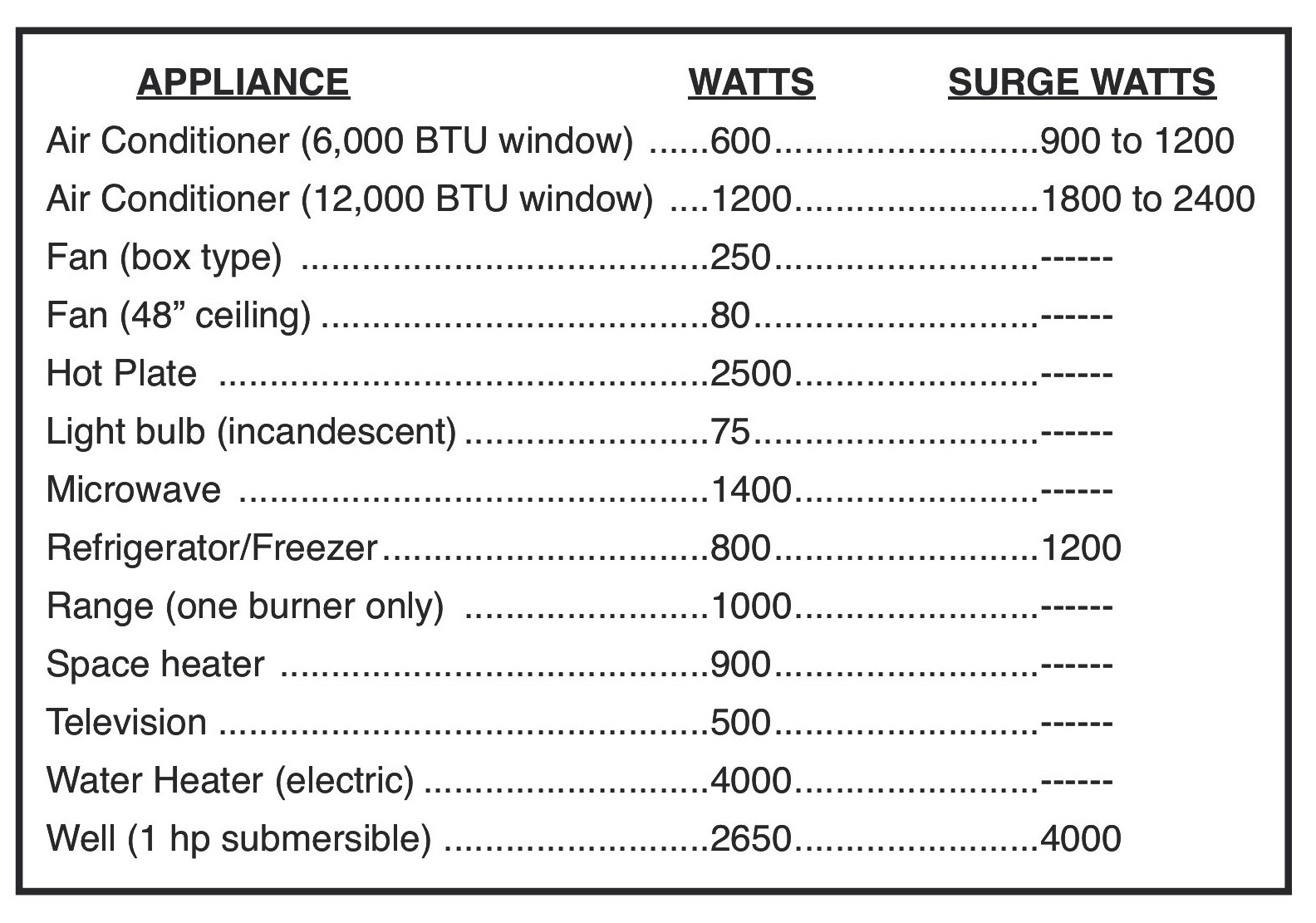
So, how many watts are we talking about? Well, it varies. A smaller, 5,000 BTU (British Thermal Units) window unit might draw around 450-550 watts. Stepping up to a mid-sized 8,000 BTU unit, you could be looking at 700-900 watts. And a larger, 12,000 BTU beast designed to cool a bigger room could easily hit 1000-1500 watts, or even more. It's crucial to check the energy guide label on your specific unit – it's usually a yellow sticker prominently displayed on the side. This label will provide an estimated wattage usage and even an annual energy cost, giving you a clearer picture of its impact.
Must Read
Want to try figuring out your own AC's wattage consumption at home? Here are a few tips: First, find that energy guide label! It's your best friend. Second, consider using a "kill-a-watt" meter. These inexpensive devices plug into your outlet and provide a real-time reading of the appliance's power draw. You can even measure the wattage during different cooling cycles – when the compressor is running full blast versus when it's just maintaining the temperature. Finally, remember that wattage isn't the whole story. Energy efficiency is key. Look for units with a high EER (Energy Efficiency Ratio) rating – the higher the number, the more efficient the unit.
Understanding your window AC's wattage might seem like a small detail, but it unlocks a world of possibilities. It's about empowering yourself with knowledge, making informed decisions about your energy consumption, and ultimately, enjoying a more comfortable and sustainable lifestyle. Plus, there's a certain satisfaction in knowing you're not just mindlessly blasting cold air, but actively managing your energy footprint. So, embrace the wattage, and stay cool!
![Window AC Wattage [2022 Study | Most Efficient & Lowest W]](http://ecocostsavings.com/wp-content/uploads/2022/04/window-ac-wattage.jpg)