
How Much Water Used In Shower
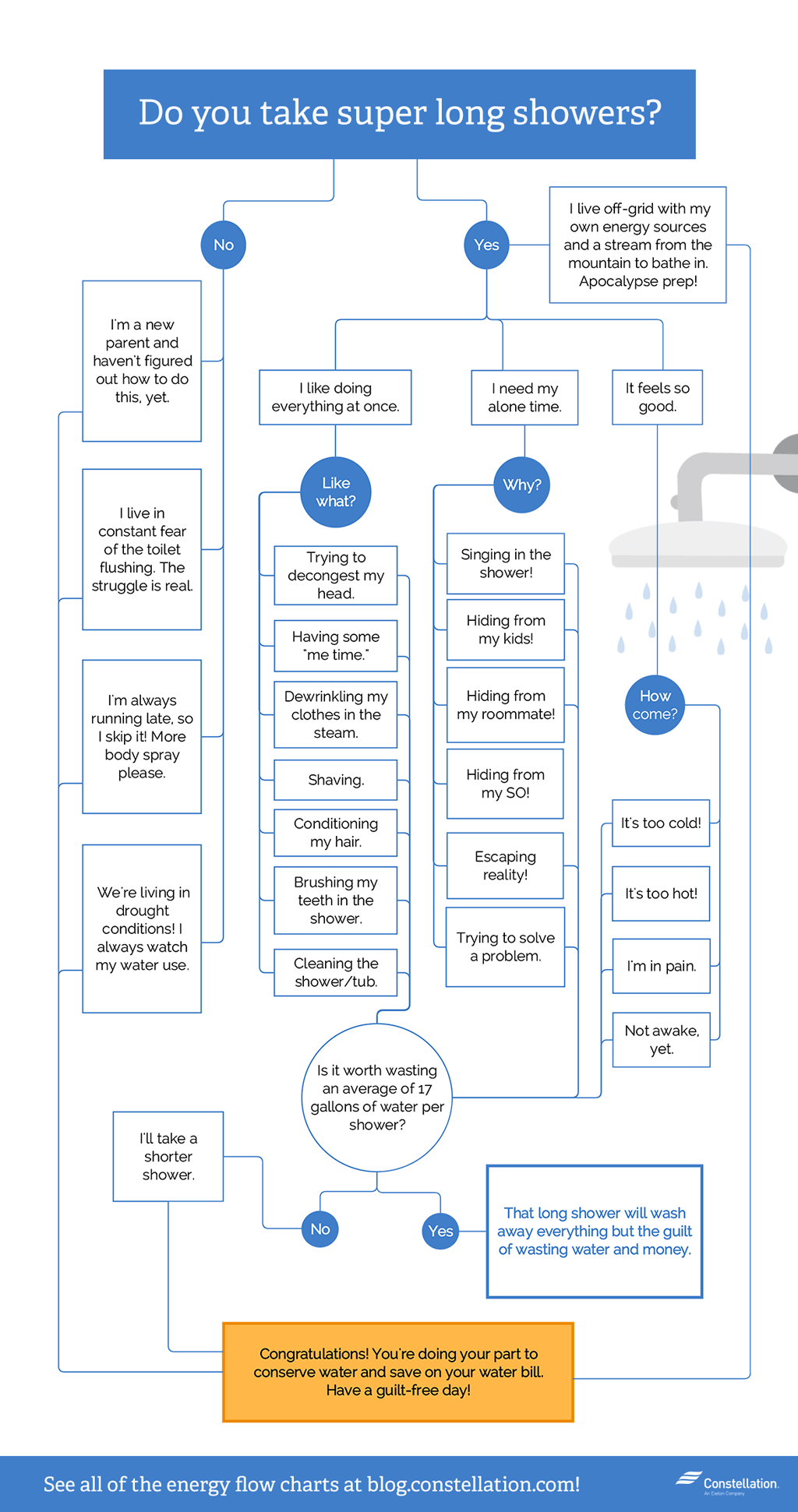
You know that feeling, right? It’s been one of those days. Maybe work was a nightmare, the kids were extra spirited, or you just generally feel like the universe took a personal vendetta against your calm. And then, there it is: the shower. That beautiful, steamy haven where you can just... melt. You step in, the warm water cascades over you, and for a glorious 10, 15, maybe even 20 minutes (don’t lie, we’ve all been there!), you’re completely oblivious to the world outside. Pure, unadulterated bliss.
Ahhh, wonderful. But then, as you step out, feeling refreshed and ready to face whatever comes next, a tiny, nagging thought often creeps in. A little whisper that asks, "How much water just went down the drain during my moment of zen?"
And that, my friends, is the rabbit hole we're diving into today! Because while that shower is fantastic for your soul, it's also a serious contender for one of the biggest water guzzlers in your home. Let's pull back the curtain, shall we?
Must Read
The Big Question: What's the Damage?
Let's be real, most of us probably don't think about it beyond a vague "a lot." But understanding the actual numbers can be pretty eye-opening, not just for your water bill (ouch!), but also for our precious planet.
So, what’s the average gush we're talking about? Well, it depends on a few key factors, but we can definitely get a good ballpark figure to get started. Spoiler alert: it's probably more than you think.
So, What's the Average Drip (or Gush)?
Let's start with the heart of the matter: your showerhead. Most standard showerheads, especially older models, can blast out about 2.5 gallons of water per minute (GPM). Some really old ones? Even more! Imagine that for a second. Every 60 seconds, 2.5 gallons.
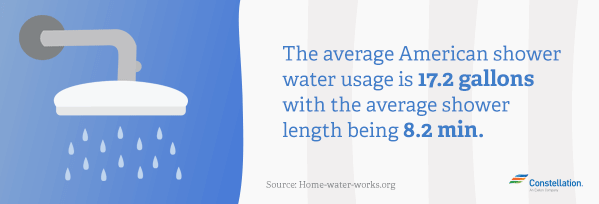
Now, let's do some quick math. If you're like me, and your "quick" shower after a workout still clocks in at around 8 minutes (it’s just enough time to rinse and feel human again, right?), you're looking at:
2.5 GPM x 8 minutes = 20 gallons of water.
Wait, what? Twenty gallons? That's like, a full bathtub! For an 8-minute shower! Mind-blowing, right? And if your "blissful" shower from the anecdote above was 15 minutes? You're easily hitting the 37.5-gallon mark. Yep. Pretty significant.
The Showerhead Saga: Not All GPMs Are Equal
This is where things get interesting, folks. The type of showerhead you have makes a huge difference. Remember that 2.5 GPM figure? That's actually the maximum allowed for new showerheads by federal standards in the U.S. (thanks, EPA!). But many older ones still kick out 3, 4, or even 5 GPM. Yikes.
Enter the hero of our story: low-flow showerheads. These brilliant inventions are designed to give you a satisfying spray while using significantly less water. Many are rated at 2.0 GPM or even 1.5 GPM. Let's re-run our 8-minute shower with a 1.5 GPM low-flow head:
1.5 GPM x 8 minutes = 12 gallons of water.
That's an 8-gallon savings per shower! Think about that over a week, a month, a year! Suddenly, that little swap seems like a no-brainer, doesn't it?

Time is Ticking (and Water is Flowing!)
Aside from your showerhead, the most obvious factor is, well, how long you stay in there. My 15-minute "zen zone" after a grueling day versus a lightning-fast rinse before work? Vastly different water footprints.
Ever caught yourself humming a full album in the shower? Or contemplating all of life's mysteries under the stream? We've all been there. Each extra minute, especially with a high-GPM showerhead, adds more gallons to the tally. It really puts the "flow" in "water flow," doesn't it?
Other Sneaky Factors
While showerhead and duration are the big two, other things can play a minor role. For instance:
- Water Pressure: Higher pressure doesn't necessarily mean more GPM, but it can feel like it, encouraging longer showers.
- Running the Water While Warming Up: That minute or two waiting for the hot water to arrive? All that cold water is just going down the drain before you even step in.
Why Should We Even Care, Anyway?
Okay, so we've established it's a lot of water. But beyond satisfying our curiosity, why does this matter? Good question, curious reader! It's actually a two-pronged attack:
Your Wallet
More water used means a higher water bill. Simple as that. But wait, there's more! Think about the energy required to heat all that water. If you're using 20+ gallons per shower, your water heater is working overtime, and that translates directly to a higher energy bill too. Saving water often means saving energy and money! It's a win-win.
Our Planet
Fresh water is a finite resource, and our demand for it is constantly growing. Conserving water, even in seemingly small ways like shorter showers, collectively makes a huge difference. Less strain on local water supplies, less energy used for treatment and transport – it all adds up to a healthier planet for all of us.
Easy Peasy Ways to Save (Without Sacrificing Bliss!)
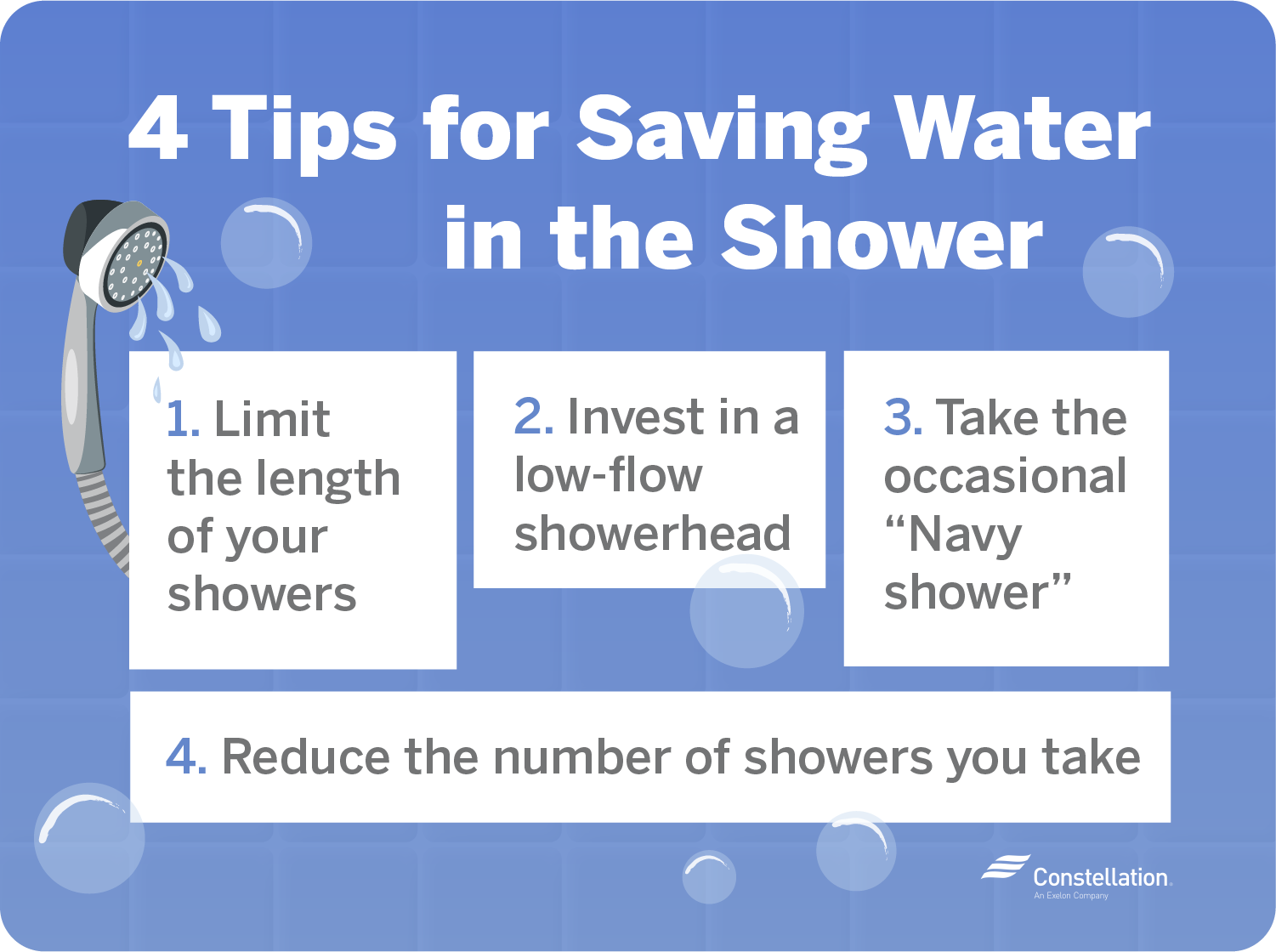
So, what's a water-conscious, shower-loving human to do? Don't worry, I'm not suggesting you start taking cold showers or only shower once a week (unless you want to, you brave soul!). Here are some practical tips:
- Time Yourself: Seriously, set a timer for 5-7 minutes. You might be surprised how quickly you can get the job done.
- Upgrade to Low-Flow: This is probably the single most impactful thing you can do. Modern low-flow showerheads are amazing – they use less water but still feel powerful and satisfying.
- The "Navy Shower": Get wet, turn off the water, lather up/shampoo, then turn the water back on to rinse. It's surprisingly effective!
- Think About It: Just being aware of how much water you're using can subtly influence you to shorten your showers.
Next time you step into that steamy embrace, you'll be armed with knowledge. You'll know roughly how much water is flowing, and hopefully, you'll feel empowered to make a small change that benefits both your wallet and the big blue marble we call home. Happy showering!