Ah, the humble dishwasher. It sits there, usually quietly humming, sometimes clanking a bit, devouring our dirty dishes after a particularly ambitious dinner party or a simple Tuesday night pasta. For years, many of us have eyed it with a mix of gratitude and suspicion. Sure, it saves our hands from pruney doom and our evenings from endless scrubbing, but at what cost? Surely, all that powerful spraying and steaming must guzzle an astronomical amount of water, right? It’s a common scene in countless households: someone, usually Dad, declaring that handwashing is "more efficient" while the faucet runs a never-ending stream, overflowing with suds and good intentions.
The Dishwasher's Secret Life: A Water Saver?
Well, prepare for a delightful little plot twist! That clanky, hardworking machine in your kitchen might just be the unsung hero of water conservation. It turns out, for most modern dishwashers, the idea that they’re water-wasting villains is actually a bit of a myth. In fact, many dishwashers use significantly less water than washing dishes by hand.
Think about your own dishwashing routine. You fill up the sink, maybe rinse things under a running tap before scrubbing, then rinse again under the tap. Perhaps you're good and you turn the water off between steps, but let's be honest, how often does that actually happen consistently, especially when there's a mountain of pots and pans involved? Picture the water flowing, flowing, flowing… It's easy for that stream to add up to a surprising amount. We're talking anywhere from 20 to 30 gallons of water, or even more, for a typical sink-full of dishes!
Now, let's peek inside the seemingly thirsty beast. Modern dishwashers are incredibly clever contraptions. They don't just blast water indiscriminately. Instead, they use smart sensors to determine how dirty your dishes are, and then they precisely target spray jets to clean every nook and cranny. They recirculate the water within each wash cycle, filtering out food particles, meaning they don't constantly need fresh water pouring in. It's a highly engineered ballet of water efficiency.
The result? Most ENERGY STAR certified dishwashers use as little as 3 to 5 gallons of water per load. Yes, you read that correctly: three to five gallons. Compare that to your 20-30 gallons at the sink! It's like comparing a gentle rain shower to a full-on monsoon. The difference is truly remarkable, transforming our perception of this kitchen workhorse from a water hog to a water whisperer.
How Much Water Does a 1 Hour Dishwasher Cycle use - 2025
More Than Just Water: The Dishwasher's Hidden Gifts
This isn't just about saving water, though that's a huge win for our planet and our utility bills. Think about what else your dishwasher saves you: precious time. Time that you can spend reading a bedtime story, helping with homework, pursuing a hobby, or simply relaxing on the couch with a cup of tea. It saves your hands from endless scrubbing, keeping them softer and happier. And let's be honest, it often saves relationships from those post-dinner arguments about whose turn it is to tackle the greasy pan!
Our dishwashers are not just cleaning machines; they're silent partners in household harmony and environmental stewardship.
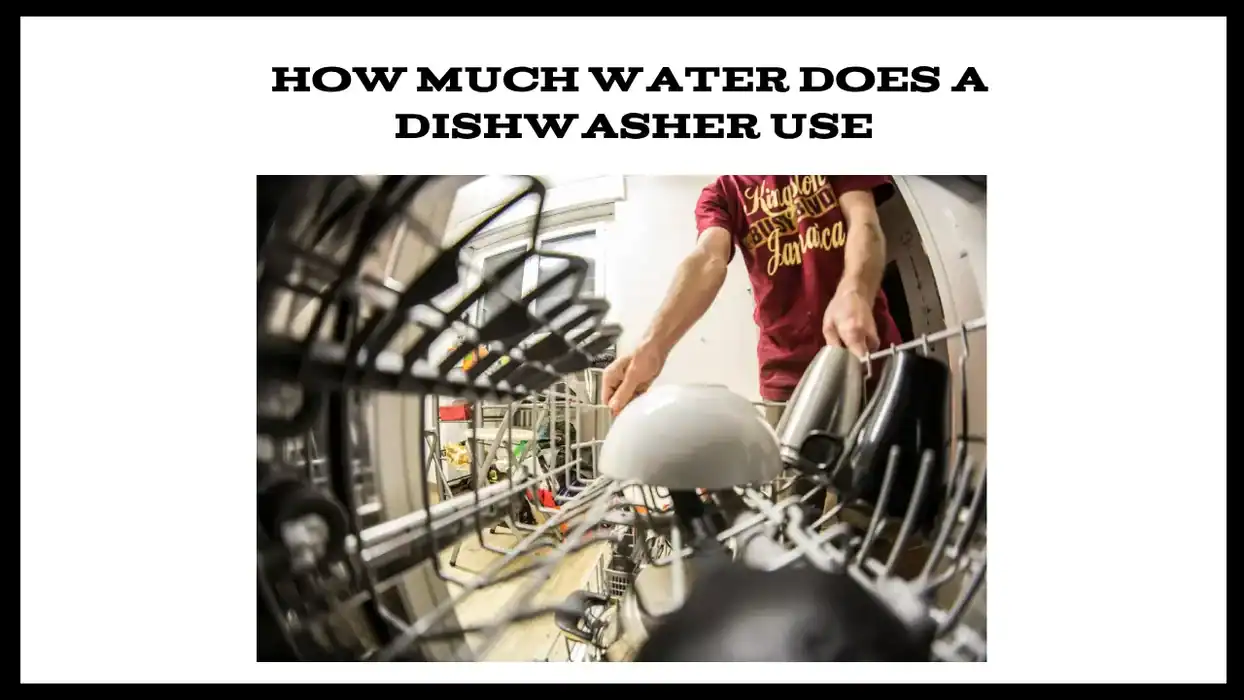
How Much Water Does a Dishwasher Use on Average - 2025
So, the next time you stack a plate or load a glass into your dishwasher, give it a little mental high-five. This often-overlooked appliance is doing more than just cleaning your plates; it's diligently saving water, conserving energy (especially if you skip the heated dry and let them air dry!), and giving you back precious moments of your day. It’s a testament to how far technology has come, transforming a mundane chore into an act of surprising efficiency.
Perhaps it's time we fully embraced our dishwashers not as a luxury, but as the incredibly smart, water-saving device it truly is. Who knew that such a simple, everyday appliance could hold such a heartwarming secret? It’s a reminder that sometimes, the biggest heroes are the quietest ones, humming away, making our lives easier and our planet a little bit greener, one sparkling dish at a time. So go ahead, load it up! Your hands, your time, and the planet will thank you.