
How Much To Run A Space Heater
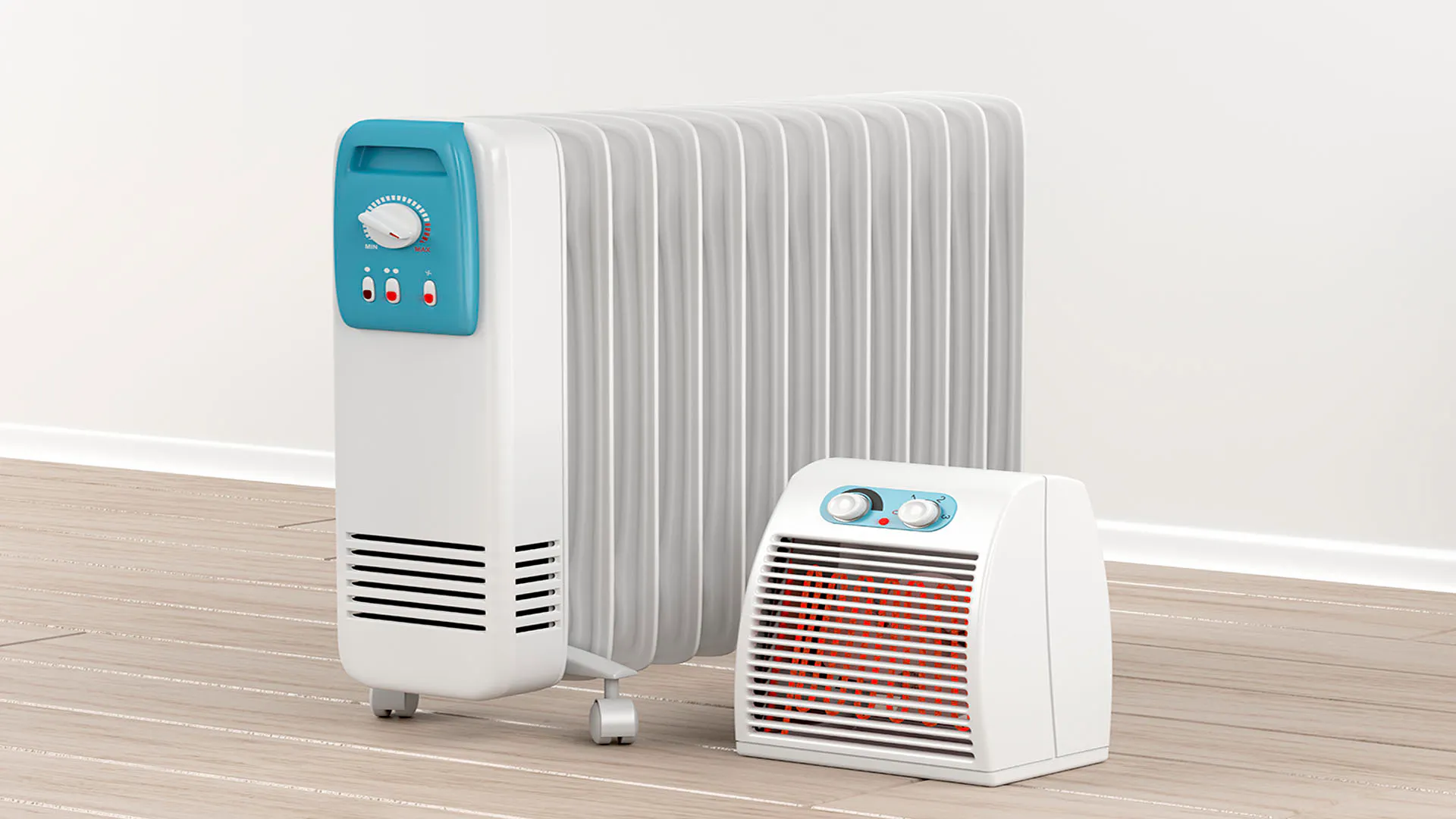
Ah, that first crisp whisper of autumn, or perhaps the full-blown embrace of winter's chill. There's nothing quite like it, is there? Until you're inside, trying to conquer that stubborn cold spot in your favorite reading nook, or just attempting to make your home office feel less like an arctic research station. Enter the humble, yet mighty, space heater – your personal portable sunbeam.
It's a modern comfort, a little blast of warmth precisely where you need it. But then the inevitable question pops into your head, usually right around the time you're enjoying that perfectly toasty toe-feel: "How much is this cozy bliss actually costing me?"
The Warmth vs. Wallet Tango: Understanding the Cost
Let's be real, nobody wants a surprise on their electricity bill that feels colder than the winter air outside. The good news is, figuring out the potential cost of running a space heater isn't a dark art. It boils down to a few key players:
Must Read
1. The Heater's Power (Watts): This is arguably the most important number. Most standard space heaters for residential use hover around 1,500 watts. Think of watts as the heater's "horsepower" – the higher the watts, the more energy it consumes to produce heat. Some smaller models might be 750 or 1,000 watts, while industrial-strength ones go much higher. For a quick mental check, 1,000 watts = 1 kilowatt (kW). Keep that in mind, it's like a secret handshake with your electricity bill.
2. How Long You Run It (Hours): This one's a no-brainer. The longer it's on, the more it costs. A quick blast for an hour vs. an all-day companion makes a huge difference. Are you just warming up a room before bed, or is it working overtime while you binge-watch your favorite series?
3. Your Electricity Rate (Cents per kWh): This is the variable that truly changes from place to place. Your local utility company charges you by the kilowatt-hour (kWh). This rate can fluctuate based on location, time of day (peak vs. off-peak hours), and even the season. Grab a recent electricity bill; you'll find this rate tucked away in there, usually expressed in cents per kWh.

The Simple Math (Promise it's painless!):
To get a ballpark figure of your space heater's cost, use this formula:
(Heater Watts / 1000) x Hours Used x Electricity Rate (in cents per kWh) = Cost in Cents
So, a 1,500-watt heater running for 4 hours a day at an average rate of 15 cents per kWh would look like this:
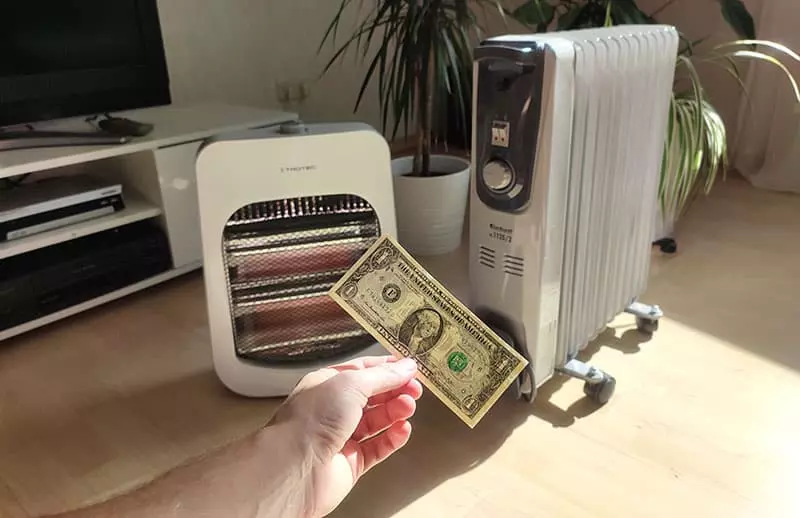
(1500 / 1000) x 4 x 15 = 90 cents per day
That’s roughly $27 a month for that daily 4-hour cozy blast. Not too shabby for targeted warmth!
Smart Moves for Savvy Heating: Tips & Tricks
Now that you're a space heater cost-calculation guru, let's talk about how to keep that bill even friendlier. It's all about strategic warmth!

Zone In Like a Pro: This is the superpower of a space heater. Instead of cranking up your entire home's thermostat to warm one chilly spot (a truly expensive endeavor), use your space heater to heat only the room you're in. This is called "zone heating" and it’s the secret sauce for efficiency.
Thermostat Control is Your Friend: Many modern space heaters come with adjustable thermostats. Use it! Set it to your desired comfort level, and the heater will cycle on and off to maintain that temperature, saving energy. No need to blast it full tilt until you're sweating like you're in a sauna.
Timer for the Win: If your heater has a timer, deploy it! Set it to turn off automatically after you've fallen asleep or left the room. This prevents unnecessary energy consumption, much like how ancient Romans had intricate heating systems (hypocausts) but still probably snuffed out their oil lamps before bed.
Seal the Deal: Space heaters work best in well-insulated areas. Tackle those drafty windows and doors with weather stripping or draft stoppers. Even drawing heavy curtains at night can make a surprising difference, trapping heat inside your little warm cocoon. Think of it as giving your heater a helping hand.
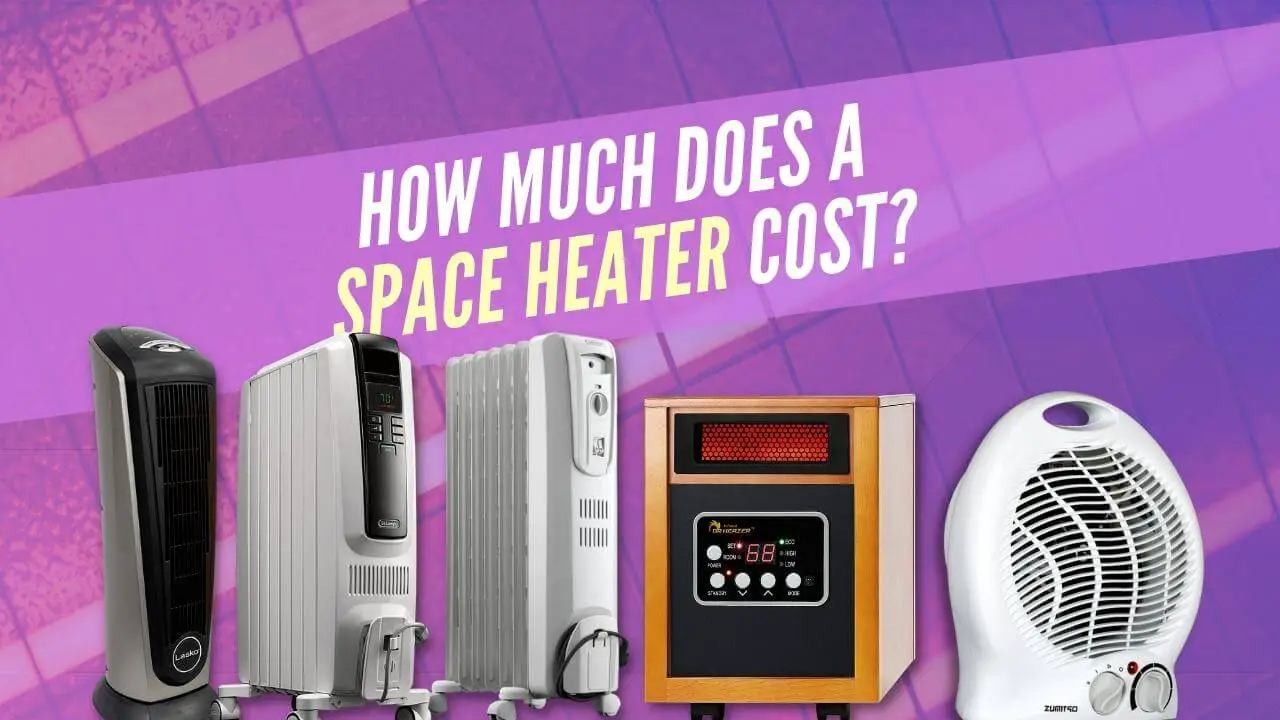
Cleanliness is Next to Warmthiness: Give your heater a quick dust-off occasionally. Dust buildup can make a heater work harder, reducing efficiency. Just like your car needs a tune-up, your heater appreciates a little TLC.
Safety First, Always: We can't talk about space heaters without a quick nod to safety. Always plug them directly into a wall outlet (no extension cords!). Keep them on a flat, stable surface, and at least three feet away from anything flammable – curtains, bedding, that stack of magazines. And never, ever cover a space heater.
The Joy of Thoughtful Warmth
So, how much to run a space heater? It's not a scary, unknown figure. It's a manageable cost for targeted comfort, especially when used wisely. In a world that often rushes us, taking a moment to create a truly comfortable space – whether it's a hygge-inspired reading nook or a productive home office – is a small luxury we can all appreciate.
It's about being mindful, understanding your tools, and finding that perfect balance between staying cozy and being smart with your resources. So go ahead, plug in your little warm companion, snuggle up, and savor that perfectly toasty moment. You've earned it!