
How Much To Install An Electric Car Charger

So, you're thinking about ditching the gas pump and joining the electric revolution? Awesome! You're about to experience the joy of silently zipping around town, knowing you're doing your bit for the planet. But before you can plug in and power up, there's one little question that's probably buzzing around in your head like a hyperactive hummingbird: How much does it actually cost to install an electric car charger at home?
Fear not, future EV enthusiast! We're here to break it down in plain English, no electrical engineering degree required. Think of it like this: getting a charger installed is a bit like giving your electric steed a comfy stable. It's an investment in convenient, at-home "fueling." And while it's not exactly free (sorry!), it's also probably not as scary expensive as you might think.
The Great Charger Cost Breakdown: From Outlet to Awesome
Alright, let's dive into the nitty-gritty. The cost to install an electric car charger can vary depending on a few key factors, kind of like how the price of pizza toppings changes from place to place.
Must Read
Level 1: The "Plug-and-Pray" Option (Almost Free!)
This is the simplest, and often the cheapest, option. Level 1 charging uses a standard 120-volt outlet – the same one you use for your toaster, your phone charger, and that super cool lava lamp you inherited from your Aunt Mildred. Most EVs come with a Level 1 charging cable. You literally just plug it in!
Cost: Basically zero! Unless you need to buy a new outlet (which is rare), you're good to go. The downside? Level 1 charging is slooooow. We're talking miles added per hour, not per minute. Perfect for topping off a small amount of charge overnight, but not ideal if you need a quick power boost before your big road trip to see Aunt Mildred.
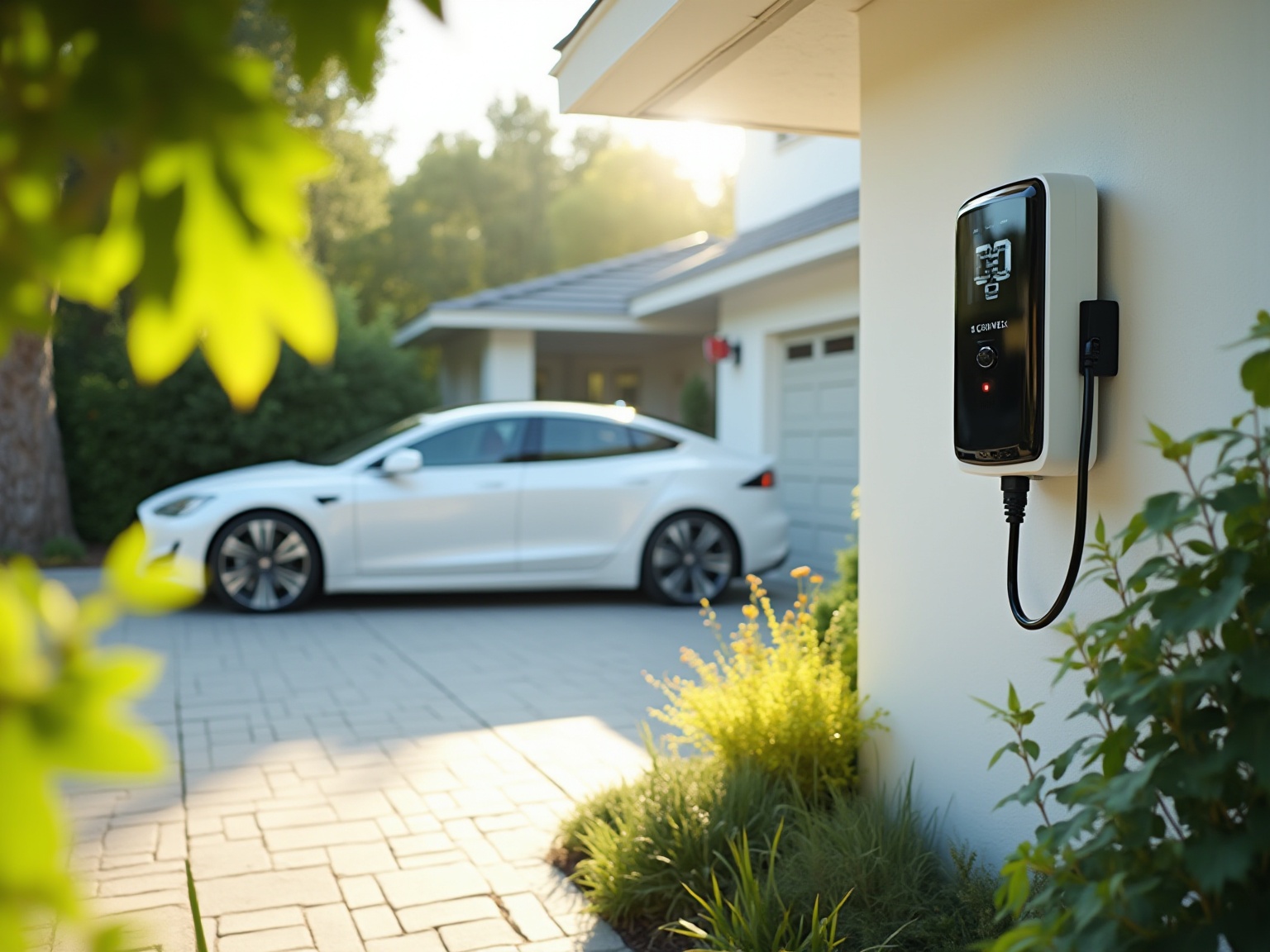
Level 2: The "Sweet Spot" (Worth the Investment!)
This is where things get interesting, and where most EV owners land. Level 2 chargers use a 240-volt outlet, similar to what your dryer or oven uses. They deliver significantly faster charging speeds than Level 1, meaning you can fully charge your car overnight, even if you've been driving like a race car driver all day (please don't!).
Cost: Here's the breakdown:
- The Charger Itself: Expect to pay somewhere between $400 and $1,000 for the charger unit itself. There are tons of options out there, from basic models to fancy ones with Wi-Fi connectivity, smartphone apps, and even the ability to tell you if your neighbor is secretly siphoning off your electricity (okay, maybe not that last one, but wouldn't it be cool?).
- Installation: This is where a licensed electrician comes into play. They'll need to install a dedicated 240-volt circuit and outlet for your charger. This can involve running new wiring, upgrading your electrical panel, and generally making sure everything is safe and up to code. Think of it like giving your house a mini electrical makeover! Installation costs can range from $500 to $2,000 or more, depending on the complexity of the job. If your electrical panel is ancient and screaming for an upgrade, that'll add to the cost.
Pro Tip: Get quotes from several electricians before making a decision. Prices can vary significantly, and you want to find someone who's experienced with EV charger installations and won't try to sell you a platinum-plated outlet (yes, those exist, but you probably don't need one).

Level 3: The "Supercharger" (For the Dedicated Few… Usually Not Home!)
Also known as DC Fast Charging, Level 3 chargers are the speed demons of the EV world. They can add significant range to your car in a matter of minutes. However, they require specialized equipment and a very high-powered electrical connection. These are typically found at public charging stations, not in people's homes (unless you happen to own a small power plant in your backyard).
Cost: Astronomical for home installation. We're talking tens of thousands of dollars, plus ongoing electricity costs that would make your hair stand on end. Stick to Level 1 or 2 for home charging!

Don't Forget the Goodies! (Incentives and Tax Credits)
The good news is that many states and utility companies offer rebates and tax credits to help offset the cost of installing an EV charger. These incentives can significantly reduce your out-of-pocket expenses. Think of it as the government giving you a little pat on the back for being environmentally conscious. Check with your local authorities and your utility provider to see what's available in your area. You might be surprised at how much you can save!
The Bottom Line: It's an Investment in Your Electric Future!
While installing an electric car charger isn't free, it's a worthwhile investment for any EV owner. It provides the convenience of charging your car at home, saving you time and money in the long run. Plus, you'll be contributing to a cleaner, greener future. So, take the plunge, get those quotes, and prepare to enjoy the silent, emission-free ride of your life!
And remember, driving electric is not just about saving money and the environment. It's about the sheer joy of knowing you're driving the future, one silent mile at a time. So, go forth and electrify!
