
How Much To Charge Electric Cars
Alright, let's talk electric cars! You're probably seeing more and more of them zipping around, right? And maybe, just maybe, a little question pops into your head: "Okay, but like, how much does it actually cost to fill one of those up?" It’s a super valid question, especially when we’re so used to thinking in terms of gallons and gas station prices. But here’s the cool part: charging an EV is often a whole different, and dare I say, cooler ballgame!
Forget the pump for a moment. Charging an electric car isn't quite like slamming a credit card down at a gas station every week. It's more... distributed. More flexible. And honestly, a lot more like charging your phone than filling up your tank. Curious? Let’s dive in with a chill vibe.
Home Sweet Home Charging: Your Power, Your Price
This is where most EV owners do the bulk of their charging, and it’s usually the cheapest option. Think about it: you just plug in when you get home, often overnight, and wake up to a "full tank." How awesome is that? It's like having your own personal gas station right in your garage or driveway.
Must Read
So, what's the magic number? Well, it all comes down to your home electricity rate. You know, that number on your power bill that tells you how much you pay per kilowatt-hour (kWh). Think of a kWh like the "gallon" of electricity. Most homes in the US might pay anywhere from 10 to 30 cents per kWh, depending on where you live and your specific utility plan.
Let's do a quick mental math exercise. Say your car has a 60 kWh battery (a common size) and you pay 15 cents/kWh. To fully charge from empty, it would cost you 60 kWh * $0.15/kWh = $9.00. Nine bucks! For a full "tank" that might get you 200-250 miles of range. Compare that to a similar range in a gas car. Starts to look pretty good, huh?
Many utility companies even offer off-peak discounts, meaning electricity is cheaper late at night when demand is low. So, if you set your car to charge after 11 PM, you could be saving even more! It’s all about smart timing.
Out and About: Public Charging Adventures
Of course, sometimes you need to charge when you're not at home. This is where public charging comes in, and it's a bit more varied, like a buffet of charging options!
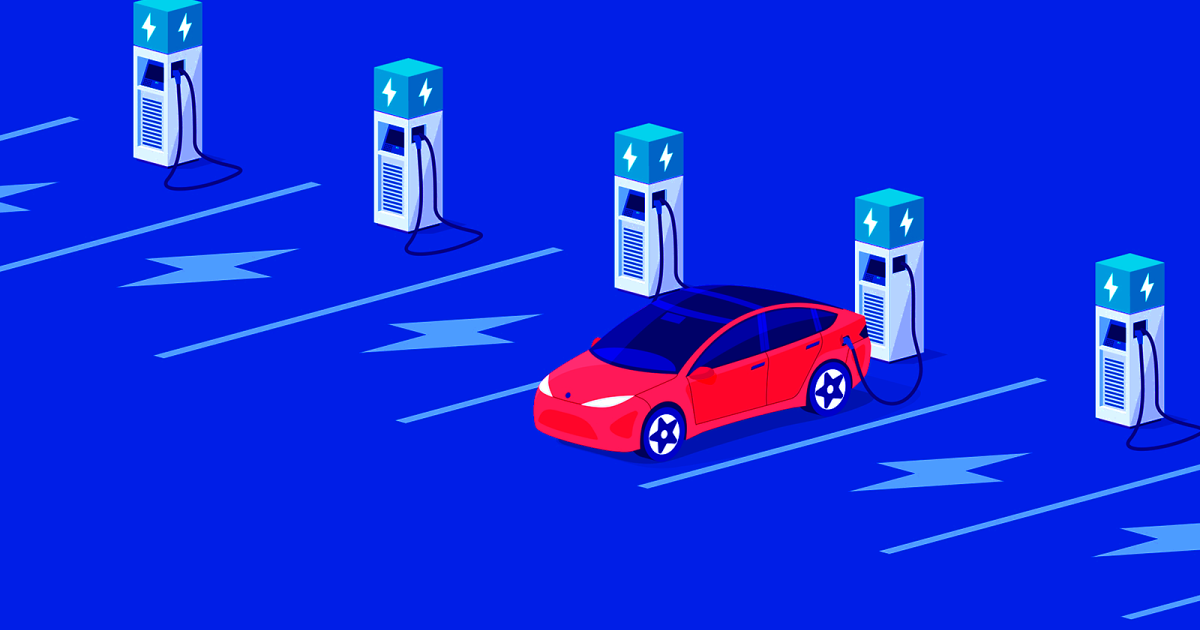
You'll find different types of public chargers. The most common are Level 2 chargers, which are usually at places like malls, workplaces, or even some restaurants. These charge slower, but they're often cheaper or even totally free while you're parked. Think of them as a gentle top-up while you live your life.
![How much does it cost to charge an electric car? [Infographic]](https://electriccarhome.co.uk/wp-content/uploads/2019/02/cost-to-charge-an-ev.jpg)
Then there are the big guns: DC Fast Chargers. These are like the super-speedy gas pumps of the EV world. They can give you a significant boost in range (sometimes 80% in 20-40 minutes) but they cost more per kWh. Why? Because you’re paying for convenience and speed. Prices for fast charging might range from $0.30 to $0.50 or even more per kWh, or sometimes they charge by the minute.
It’s a bit like choosing between brewing your coffee at home (cheap, convenient overnight) or grabbing an espresso at a fancy cafe (pricier, fast, for when you’re out). Both are coffee, both get the job done, but for different situations!
![How much does it cost to charge an electric car? [Infographic]](https://electriccarhome.co.uk/wp-content/uploads/2019/05/typical-ev-charging-costs.png?x51094)
What Makes the Price Tag Tick?
So, beyond home vs. public, what else plays a role in the "how much" question?
- Location, Location, Location: Just like real estate, electricity prices vary wildly by state, city, and even neighborhood.
- Time of Day: As we mentioned, charging during off-peak hours at home can be a big money-saver.
- Charging Network Fees: Some public charging networks (like Electrify America or EVgo) might have membership plans or charge different rates for guests vs. members.
- Car Efficiency: Just like some gas cars are more fuel-efficient than others, some EVs use less kWh per mile. A more efficient EV will cost less to "fuel up" for the same distance.
- Battery Size: A bigger battery costs more to fill from empty (more kWh needed), but it also gives you more range, so you might charge less often.
It's fascinating, right? There's no single "cost of a tank" for an EV, because the whole concept is so much more adaptable. You're not always filling it up; sometimes you're just topping it off, like sipping from a water bottle throughout the day instead of chugging a gallon at once.

The Cool Takeaway
Here’s the thing: while the "how much" question might seem a little more nuanced for EVs, the overall picture is overwhelmingly positive for your wallet. Most EV owners find their "fuel" costs are significantly lower than what they paid for gasoline. Plus, there’s the sheer convenience of never really having to go out of your way to "fill up" during your daily routine.
Imagine waking up every morning with a "full tank" of energy, ready for your day, without ever having to stop at a traditional gas station. That's not just cool; it's a bit of a game-changer for daily life. And it opens up a whole new way of thinking about how we power our rides.
So, next time you see an EV silently gliding by, you can chuckle knowing that its "fuel" economy is probably making its owner pretty happy, and the way they pay for it is likely much chiller than waiting in line at the pump. It’s a curious new world, and charging an EV is definitely one of its perks!