
How Much To Charge A Car Battery
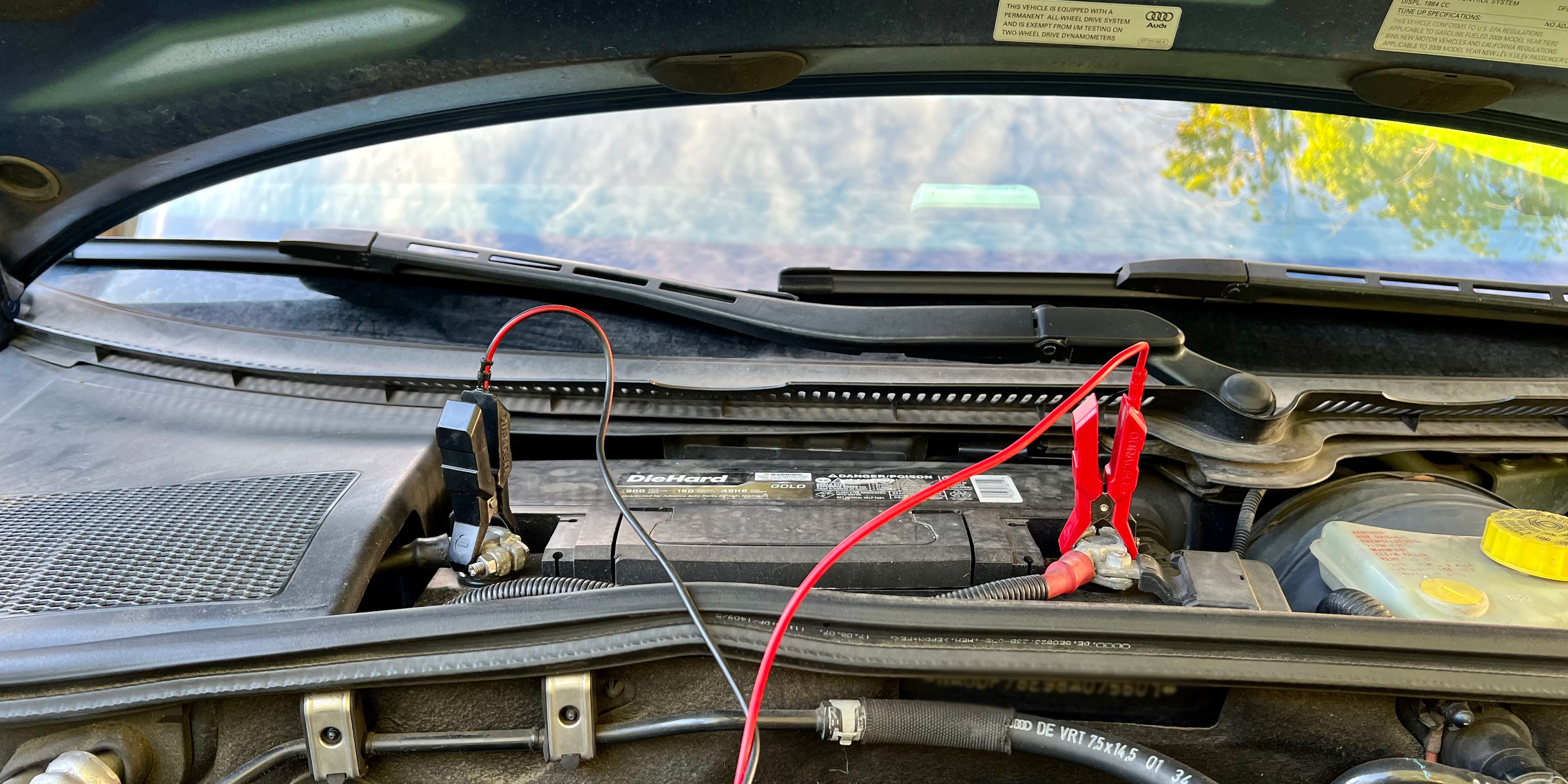
Hey there, superstar! Ever hopped into your car, key in the ignition, ready to conquer the day, only to be met with... silence? Or maybe a pathetic little groan that sounds suspiciously like your car saying, "Nope, not today, human"?
Yep, we’ve all been there. It’s usually a dead battery, and your mind immediately jumps to, "How much am I going to have to fork over for this?" But hold your horses! Today, we're chatting about "How Much To Charge A Car Battery," and I promise you, it's not about money.
We're talking about voltage, amps, and a little bit of time – the secret sauce to bringing your trusty steed back to life without breaking the bank or needing a degree in advanced mechanics. Consider me your friendly neighborhood battery guru, here to demystify the process with a smile and maybe a bad pun or two.
Must Read
Your Battery: The Heart of the Matter
First things first, most cars run on a 12-volt battery. Think of it like your car's personal energy drink – it needs to be topped up to get the party started. A fully charged battery usually sits around 12.6 to 12.8 volts when the car's off. If it dips below 12.4 volts, it's probably feeling a bit sluggish, like you on a Monday morning.
The goal of charging isn't to blast it with power until it explodes (please, for the love of all that is holy, no!), but to gently, or sometimes a little less gently, replenish its lost electrons. It's like refilling a water bottle, not trying to turn it into a firehose.
Meet Your Charger Squad
There are a few main types of battery chargers, each with its own personality:

1. The Chill Friend: Trickle or Maintenance Chargers
These are the gentle giants of the charging world. A trickle charger (usually 1-2 amps) delivers a low, steady stream of power over a long period. They're perfect for maintaining a battery that's stored away for a while – think classic cars, motorcycles during winter, or that lawnmower you only use twice a year. It's like putting your battery on a very slow IV drip. You leave it on for days, even weeks, and it just keeps the battery topped off without overcharging. Super chill.
2. The Smarty Pants: Automatic Chargers
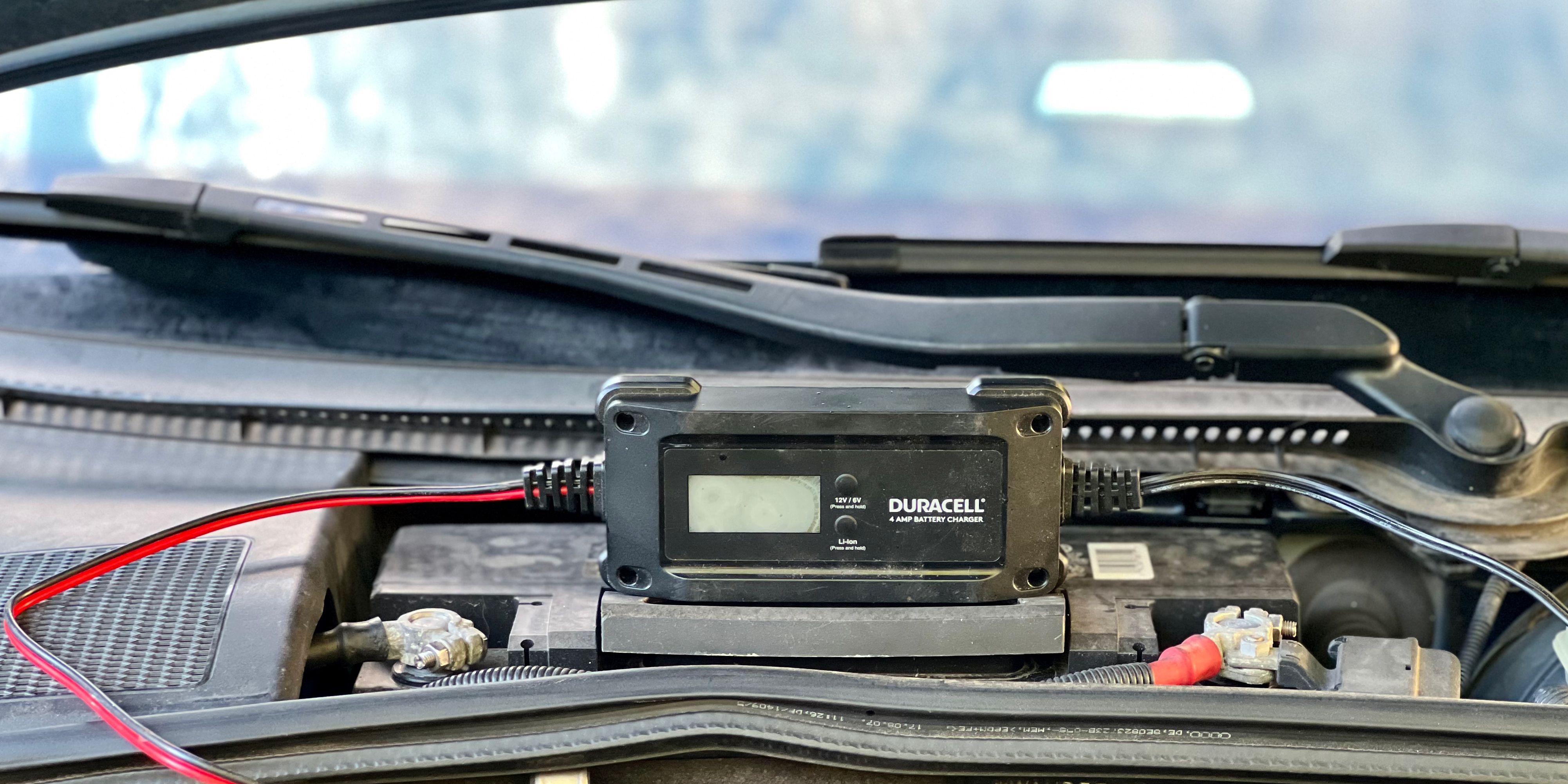
Ah, the hero we deserve! Most modern chargers are smart chargers, and they're brilliant. They monitor the battery's condition, adjust the charging rate, and automatically shut off or switch to maintenance mode once the battery is full. They typically range from 4 to 15 amps. You basically plug it in, walk away, and trust it to do its thing. It’s like having a tiny, very responsible butler for your battery.
3. The Speed Demon: Fast Chargers / Jump Starters
These are for emergencies, or when you’re in a serious hurry. They can put out 20 amps or more, sometimes even hundreds for jump-starting. While they can get you going fast, they're not ideal for a full, deep charge and can actually shorten your battery's life if used constantly. Think of it as a caffeine shot for your car – great for a quick boost, but don't rely on it for sustained energy. Use sparingly!

So, How Long Does This Take?
This is where the "how much" really comes into play. It depends on two main things:
- Your battery's capacity (measured in Amp-hours or Ah).
- Your charger's output (measured in Amps).
A simple (and rough) calculation is: Battery Ah / Charger Amps = Hours to charge from dead.
For example, a typical car battery might be 48 Ah. If you use a 10-amp smart charger: 48 Ah / 10 Amps = 4.8 hours.
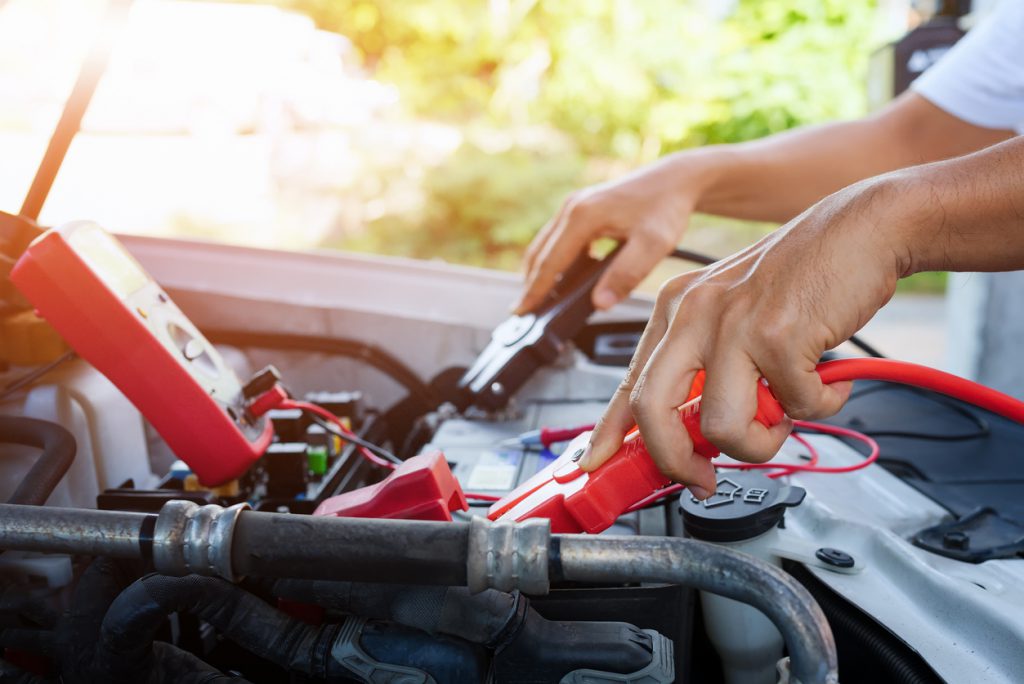
But here's the good news: with a smart charger, you often don't even need to do the math! You hook it up, it figures out what your battery needs, and charges it safely. It might take anywhere from a few hours to overnight, depending on how dead your battery is. Just remember, slower is generally better for battery health.
And a crucial tip: avoid overcharging (unless you're using a smart charger that handles it for you!). Too much juice can cook your battery and turn it into a paperweight, or worse, a science experiment gone wrong.
Safety First, Always!
Before you become a mad scientist in your garage, a few quick safety notes:
- Wear safety goggles. Seriously, battery acid is no joke for your eyeballs.
- Work in a well-ventilated area. Batteries can give off hydrogen gas, which is flammable. No smoking, no open flames!
- Make sure your charger is off before connecting or disconnecting clamps.
- Connect the positive (+) red clamp to the positive (+) battery terminal first, then the negative (-) black clamp to an unpainted metal part of the car chassis (away from the battery).
Think of it like cooking – follow the recipe, don't stick your hand in the oven, and wear an apron (or goggles in this case!).
When Should You Charge?
If your car's been sitting for weeks, if the engine cranks slowly, or if your headlights look dim even when the engine's off, it's probably time for a top-up. Regular charging, especially if you do a lot of short trips (which don't give your alternator enough time to fully charge the battery), can extend your battery's life significantly.
The Uplifting Finish!
See? That wasn't so scary, was it? Charging a car battery isn't a dark art reserved for gearheads in overalls. It's a simple, empowering skill that can save you a tow, a headache, and a whole lot of "Ugh!" moments. With a decent smart charger and a little bit of know-how, you can keep your car purring like a contented kitten.
So go forth, confident car owner! You're now equipped with the knowledge to give your battery the love it deserves. Your car will thank you, your wallet will thank you, and you'll be smiling all the way to your next adventure, knowing you've got the power!