
How Much Space Does A Fridge Need For Ventilation

Okay, let's talk fridge ventilation. It's a thrilling topic, I know. Almost as exciting as watching paint dry. But seriously, it's important. Or is it?
The Official Answer (Yawn)
Every appliance manual ever written will tell you the same thing. Your fridge needs space. Specific space! Usually, it's something like "at least an inch on the sides, two inches in the back, and maybe a foot on top." They make it sound like the fate of the world depends on these precise measurements. If you don't follow them, your fridge will spontaneously combust! Or at least, cool less efficiently. Which, let's be honest, is almost as dramatic.
These recommendations are usually backed up by well-meaning engineers. They claim these gaps will help with air circulation. This mystical airflow prevents the fridge's compressor from overheating. Overheating leads to breakdowns. Breakdowns lead to sadness and wasted groceries. The horror!
Must Read
My Unpopular Opinion: A Little Breathing Room is Fine
Now, I'm not advocating for cramming your fridge into a coffin. Let's be reasonable. But I think we're all being a little dramatic about these "precise" measurements. My personal experience? Fridges are surprisingly resilient.
I've seen fridges practically wedged between cabinets and walls, still churning out ice and keeping the milk perfectly chilled. Has it impacted their lifespan? Maybe. But honestly, everything short of a refrigerator from NASA is going to need replacing at some point.
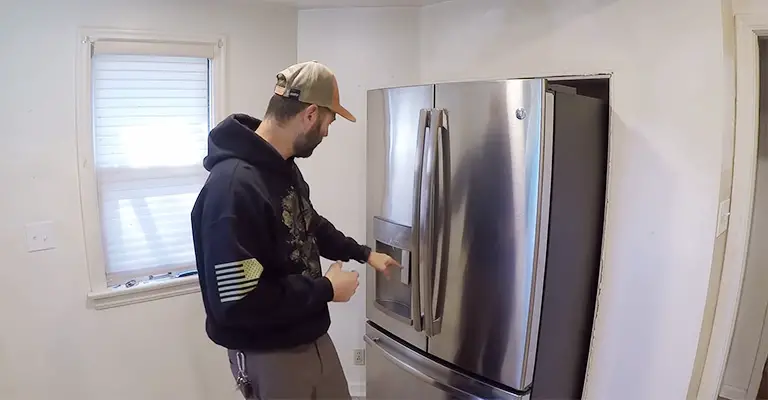
Think about it. Older homes are notorious for having snug kitchen layouts. Did our grandparents meticulously measure ventilation gaps before sliding in the icebox? I highly doubt it. And somehow, they survived. So, maybe that inch on the side isn't as crucial as the manual makes it out to be.
Common Sense Prevails (Hopefully)
Look, I'm not a fridge engineer (surprise!). So take my opinion with a grain of salt. And definitely read your manual. But here’s a more practical approach.
- Don't completely suffocate it: Obviously, burying your fridge in blankets is a bad idea. Give it some room to breathe.
- Feel the Back: If the back of your fridge is radiating heat like a supernova, then yes, you probably need better ventilation.
- Listen: Is your fridge making angry, strained noises? That's a clue that something's not happy.
If it's running smoothly, and the back isn't dangerously hot, then you're probably fine. Stop stressing about that extra half-inch. Use that mental energy to decide what to order for takeout tonight.
What About New Fridges?
Okay, new fridges. With all their fancy sensors and energy-efficient compressors, are they more sensitive to ventilation? Possibly. Probably. Fine, I'll concede a point.

But here's another unpopular opinion: If a brand-new, hyper-efficient fridge can't handle slightly less-than-perfect ventilation, then it's probably a poorly designed fridge. Blame the manufacturer, not your slightly cramped kitchen.
The Verdict: Don't Panic (Too Much)
So, how much space does a fridge really need? Enough. That's my official answer. Enough to not overheat. Enough to not sound like it's about to explode. Enough to keep your beer cold.

If you're obsessed with following the manual's recommendations to the millimeter, go for it. But for the rest of us, let's just aim for reasonable ventilation and move on with our lives. There are more important things to worry about. Like whether or not to eat that leftover pizza. (The answer is always yes.)
Ultimately, use your best judgment. And remember: A happy fridge is a cold fridge. And a cold fridge is a happy owner. Especially if that owner is me, and that fridge is full of snacks. I mean, nutritious snacks.
Just remember, I'm not responsible if your fridge explodes. Okay? Okay.