
How Much Should Gas And Electric Cost Per Month
Okay, let's talk about the dreaded bills: gas and electric. It's like facing a tiny monster every month, right? But fear not, intrepid homeowner or apartment dweller! We're going to wrestle this beast into submission.
There's no magic number, sadly. But we can get a handle on what's "normal" and how to avoid paying as much as Elon Musk spends on rocket fuel each month.
The Great Regional Gas & Electric Showdown
First things first: Location, location, location! Living in sunny San Diego is a world away from freezing Fargo, North Dakota. So, costs vary WILDLY.
Must Read
Think of it like this: a palm tree needs zero heating in January, while a snowman in Fargo is practically powered by a furnace. Your bills will reflect that climate difference!
Gas Gab
Gas is usually for heating, cooking, and sometimes drying your clothes. Think cozy fireplaces and perfectly toasted bagels (yum!).
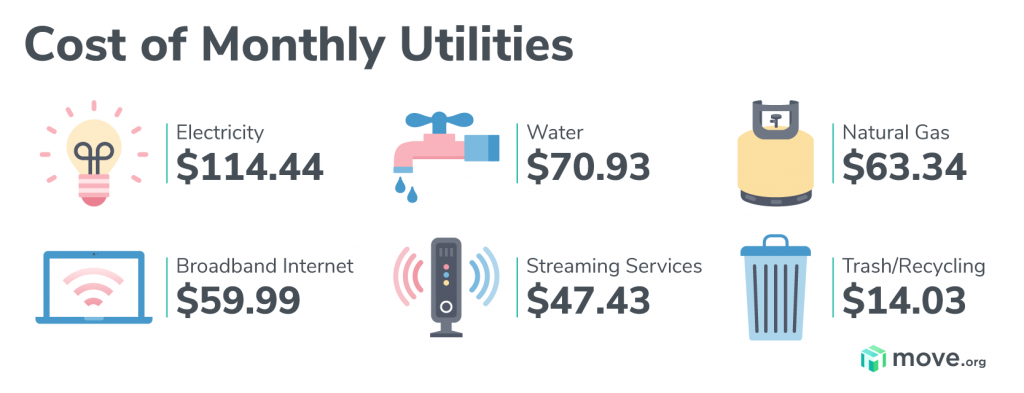
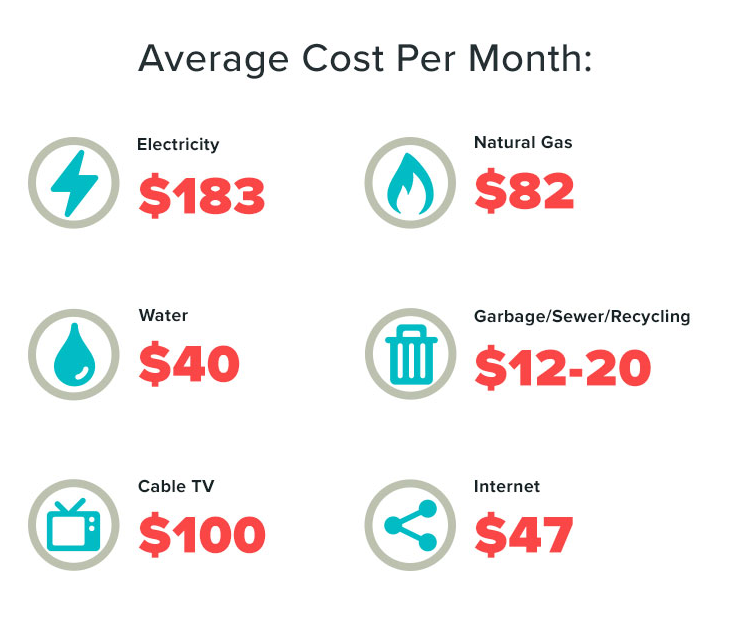
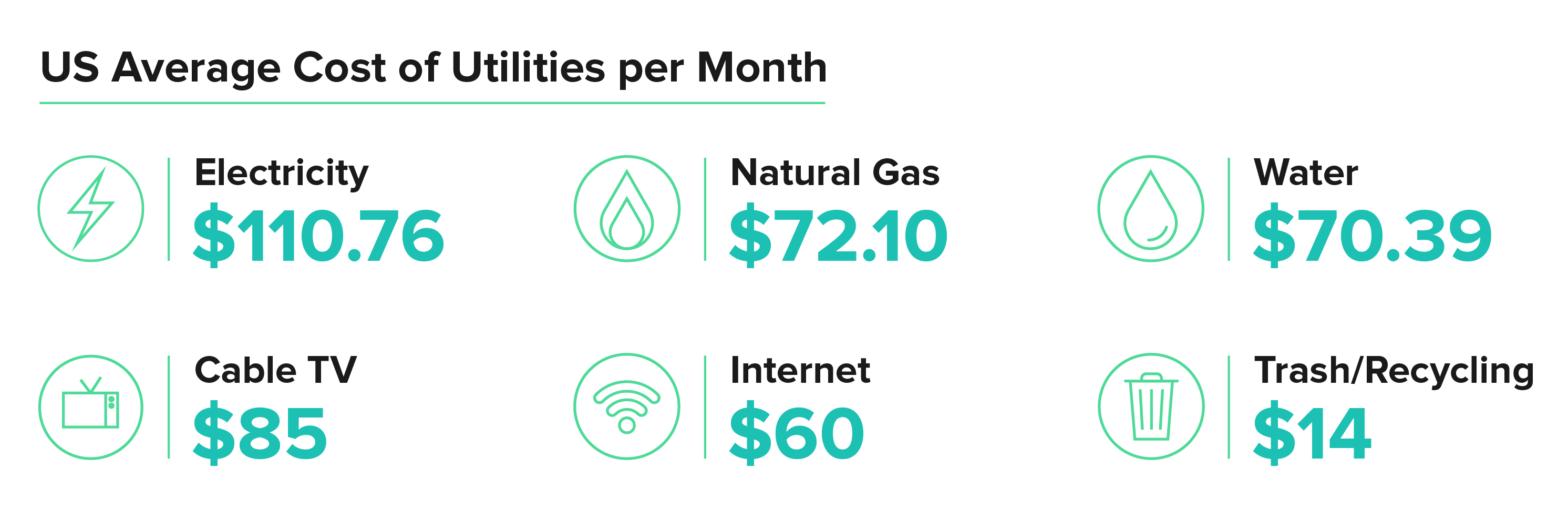
Now, let's spitball some numbers. If you live in a mild climate, you might see gas bills as low as $30-$50 a month, especially in the warmer months. Imagine all the extra money you can save.
However, if you’re battling blizzards all winter, brace yourself. That bill could easily jump to $150-$300 (or even more!), as your furnace works overtime to keep you from turning into an icicle.
Electricity Extravaganza
Electricity powers everything else. Lights, TVs, computers, refrigerators...basically, anything that plugs into the wall. It’s the lifeblood of modern living!
Again, location plays a huge role, but so does your lifestyle. Are you a minimalist with one lamp and a library of books, or do you have a home entertainment system that rivals a movie theater?
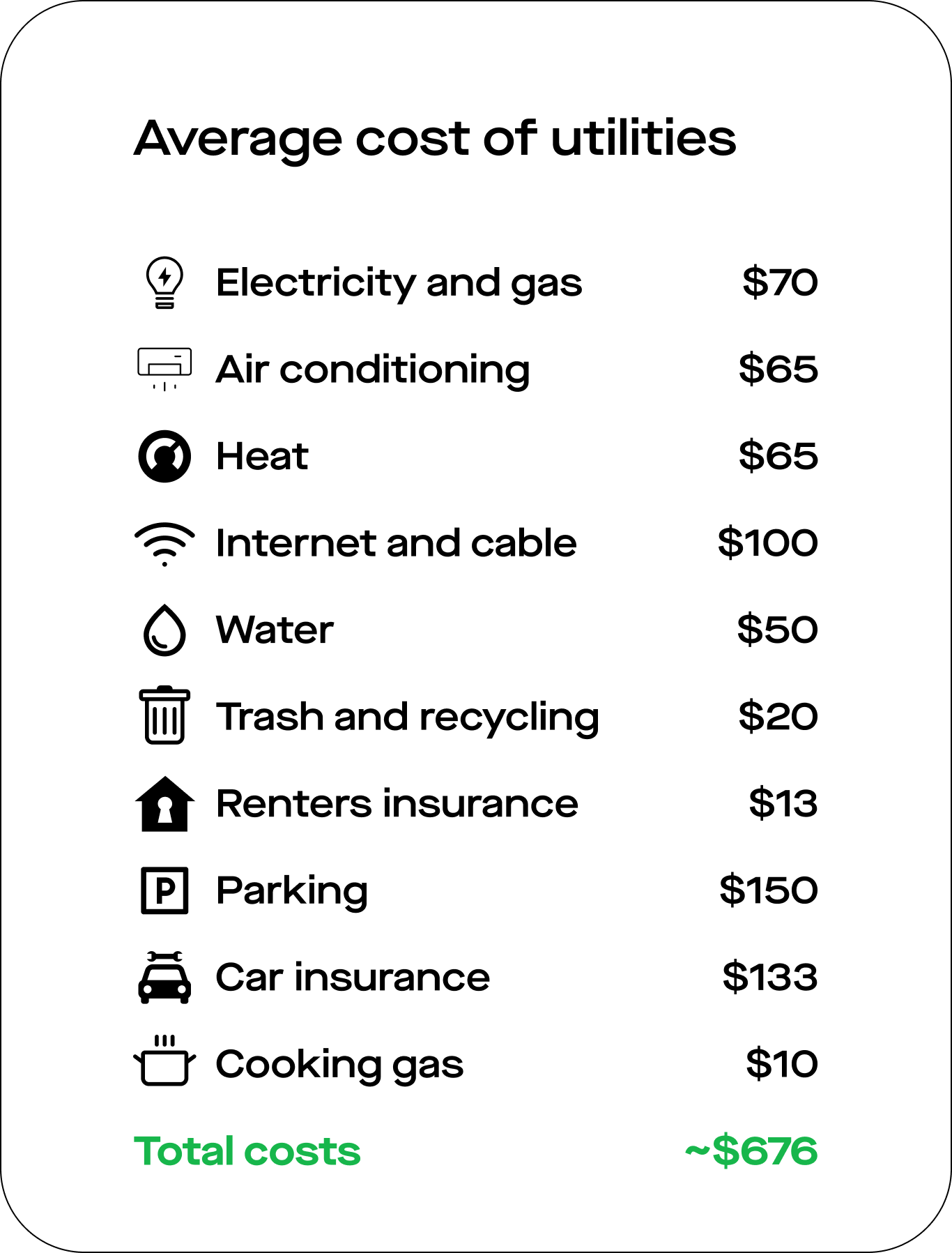
A small apartment with energy-efficient appliances in a moderate climate might see electricity bills of $50-$80 per month. You could even afford to watch a new movie!
But a larger house with air conditioning blasting all summer, and teenagers gaming 24/7? You're probably looking at $150-$300+, possibly much higher. Start hiding those game consoles now!
Decoding the Dreaded Bill: A Crash Course
Don't just stare blankly at your bill like it's an alien language. Actually, read it! They usually break down your usage.
Look for kWh (kilowatt-hours) for electricity and therms or CCF (hundred cubic feet) for gas. These tell you how much energy you’re actually consuming.
Compare this month's usage to last month's, and to the same month last year. See any big spikes? That might be a clue to a problem.
Becoming an Energy Ninja: Simple Savings Strategies
Alright, time to channel your inner superhero and fight back against those energy vampires! Here are some easy ways to save money without living in the dark ages.
Switch to LED Bulbs: Seriously, do it now! They use a fraction of the energy of old-fashioned incandescent bulbs and last for ages. Plus, they come in all sorts of colors and brightnesses, so you can create the perfect ambiance.
Unplug Phantom Loads: Even when turned off, many electronics still suck energy. Unplug chargers, TVs, and other devices when not in use. Think of it as giving your outlets a well-deserved vacation.
Smart Thermostats are your friend: Programmable thermostats are amazing. Set it to automatically lower the temperature when you're away or asleep. No need to heat an empty house or apartment.
Seal Those Drafts: Gaps around windows and doors let precious heat (or cool air) escape. Caulk and weatherstrip to seal those leaks. It's like giving your home a cozy blanket.
Embrace the Power of the Sun (Sometimes): Open your curtains during the day to let in natural sunlight and warmth. Close them at night to keep the heat in. Free light and heat? Yes, please!
The Appliance Audit: A Deep Dive
Older appliances are energy hogs. If your refrigerator is older than your car, it might be time for an upgrade.
Look for the Energy Star label when buying new appliances. These are designed to use less energy and save you money in the long run. It's like getting a discount on your future bills.
Clean your refrigerator coils regularly. Dust buildup makes it work harder and use more energy. Think of it as giving your fridge a spa day.
The Rent vs. Own Factor: Who Pays What?
If you rent, your landlord might cover some utilities, like water or trash. Read your lease carefully to see what's included.
As a homeowner, you're responsible for EVERYTHING. But you also get the benefit of making energy-efficient upgrades that increase your property value. It's a long-term investment!
Consider a home energy audit. Many utility companies offer these for free or at a discounted rate. An expert will come to your home and identify areas where you can save energy. Knowledge is power!
Beyond the Bill: A Holistic Approach
Saving energy isn't just about saving money. It's also about protecting the environment. Reduce your carbon footprint and feel good about doing your part.
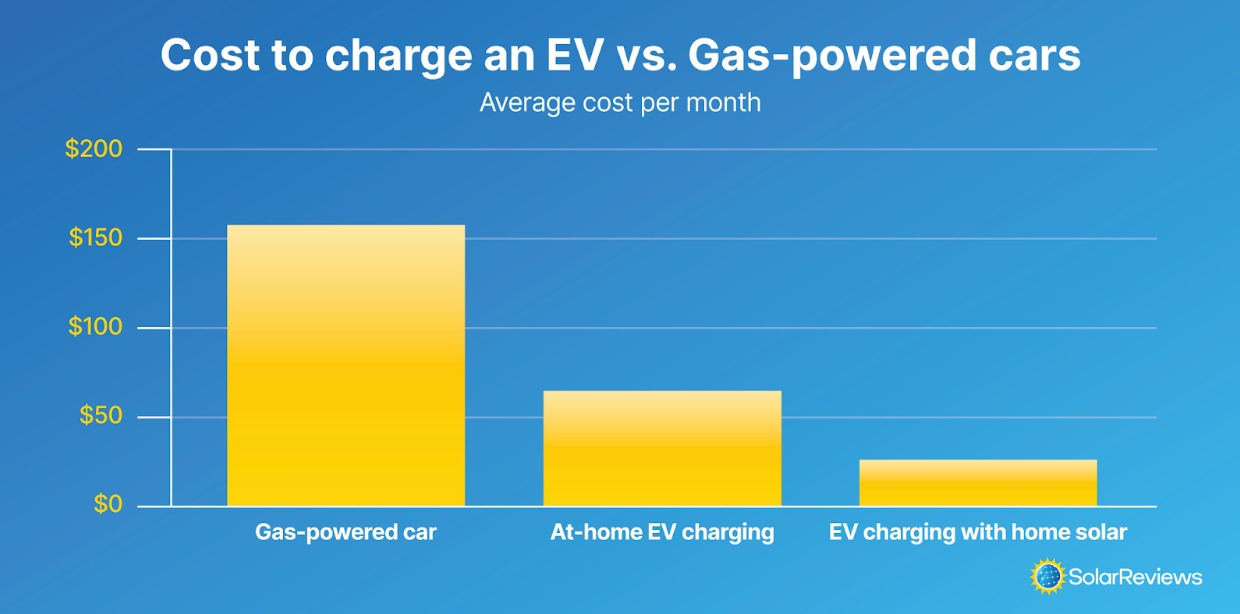
Consider renewable energy options, like solar panels. They can be a significant investment upfront, but they can save you a lot of money in the long run and reduce your reliance on fossil fuels. Plus, they look pretty cool!
Talk to your utility company about energy-saving programs and rebates. They often offer incentives for upgrading to energy-efficient appliances or making other improvements. It's like getting free money for being responsible.
The Bottom Line (and a Little Encouragement)
There's no one-size-fits-all answer to how much your gas and electric bills should be. But by understanding your usage, implementing energy-saving strategies, and taking advantage of available resources, you can take control of your costs.
Don't get discouraged if your bills are higher than you'd like. Every little bit helps. Even small changes can make a big difference over time.
So, go forth and conquer those energy bills! You've got this! Remember, the key is awareness, action, and a little bit of energy ninja-level stealth.