How Much Should A Gas Bill Be
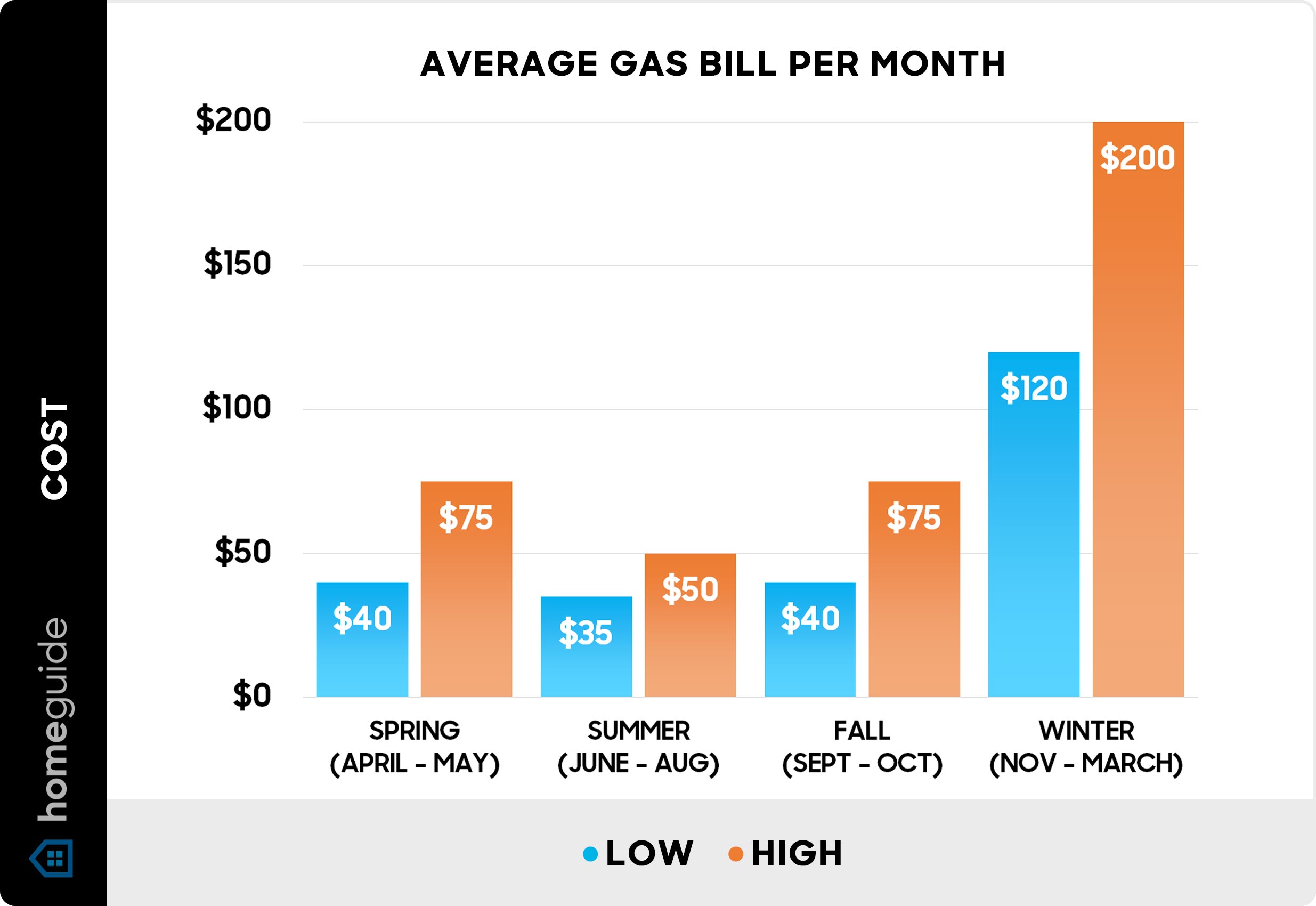
Okay, let's talk about gas bills. Not exactly the most thrilling topic at first glance, right? But stick with me for a moment, because understanding this little piece of paper that arrives in your mailbox each month can actually be quite empowering and, dare I say, even a little bit fun – like solving a mini-mystery! We all use natural gas for heating our homes, warming our water, and cooking our meals, yet for many, the monthly statement remains a bit of a black box. It pops up, we sigh, we pay, and then we move on, often left wondering, "How much should this be?" It’s a wonderfully common, yet often unasked, question that truly holds the key to unlocking a better understanding of your home's energy footprint.
The purpose of delving into the depths of your gas bill isn't just to grumble about the cost; it's about gaining clarity and control. Think of it as developing a superpower for your household budget. The primary benefit is naturally financial savings. When you understand what drives your costs, you can make informed decisions to reduce them. Beyond the money, there's the satisfaction of knowing you're managing your resources wisely. It's about being a more conscious consumer of energy, which not only benefits your wallet but also the planet by reducing unnecessary consumption. It gives you peace of mind, replacing that monthly bill shock with a clear understanding of where your money is going and what you can do about it.
So, where does this newfound knowledge apply? Everywhere! In daily life, understanding your gas bill helps you assess if that new high-efficiency furnace is truly paying off, or why your bill spiked during a particularly cold snap. It helps you decide if leaving the thermostat at 75 degrees all winter is truly sustainable for your budget. You can use it to compare your usage patterns from one year to the next, identifying trends or potential issues like a leaky hot water pipe heating up extra water. It's also incredibly useful for when you're considering home improvements, allowing you to project potential savings. For education, it’s a brilliant real-world lesson. Kids can learn about energy consumption, unit costs, and the direct impact of weather on their daily lives. It’s practical math, environmental science, and personal finance all rolled into one, teaching invaluable lessons about resource management and budgeting from a young age.
Must Read
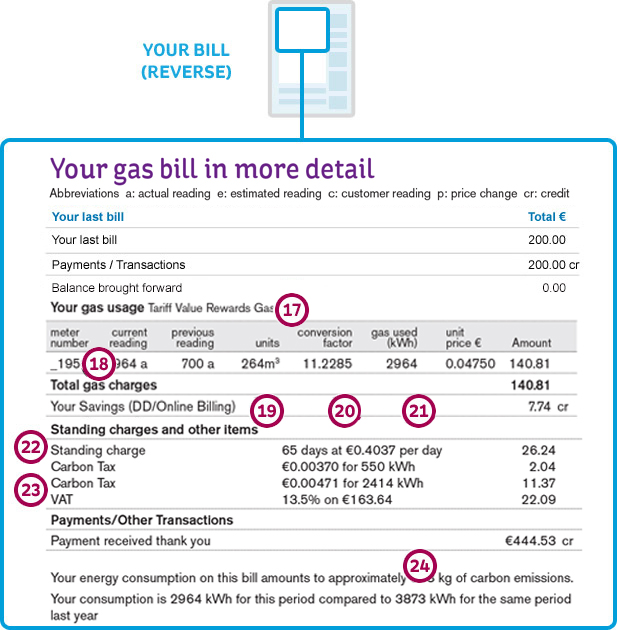
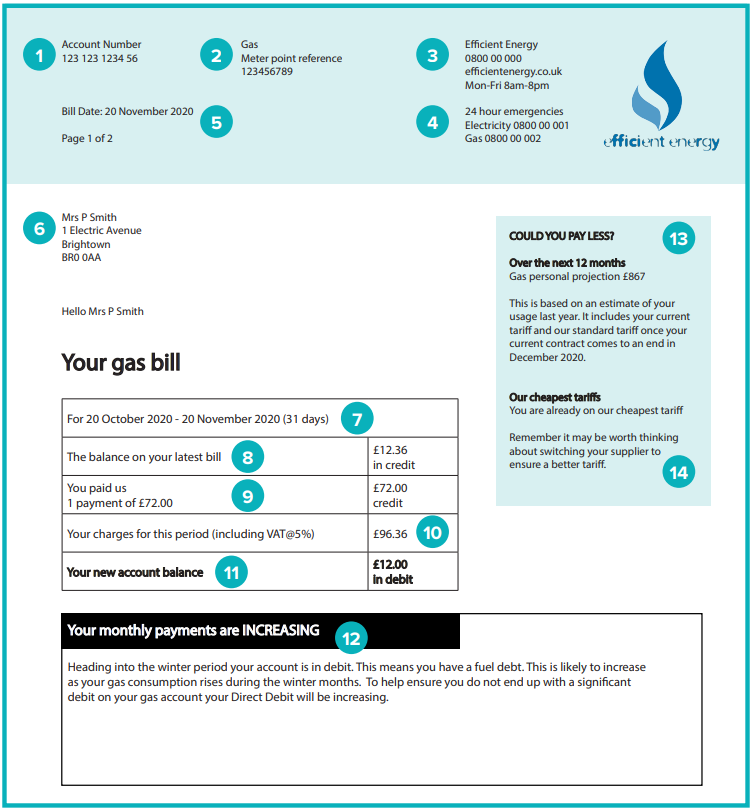
Ready to become a gas bill guru? Start by simply reading your bill beyond the total amount. Look for your usage in therms or cubic feet, the cost per unit, and any fixed service charges. Compare this month's usage to last month's, and even to the same month last year. Many utility companies offer online portals where you can track this data easily, often with helpful graphs. Another great tip is to become an amateur detective in your own home: where could gas be escaping, or where could heat be leaking out? Simple actions like checking for drafts around windows and doors, lowering your water heater temperature, or adjusting your thermostat by a few degrees can have a surprisingly significant impact. Don't be shy about calling your gas company either; they often have great resources, energy audit programs, or advice to share! It's all about taking small, curious steps leading to big understanding and even bigger savings.