
How Much Propane Does A Camper Refrigerator Use
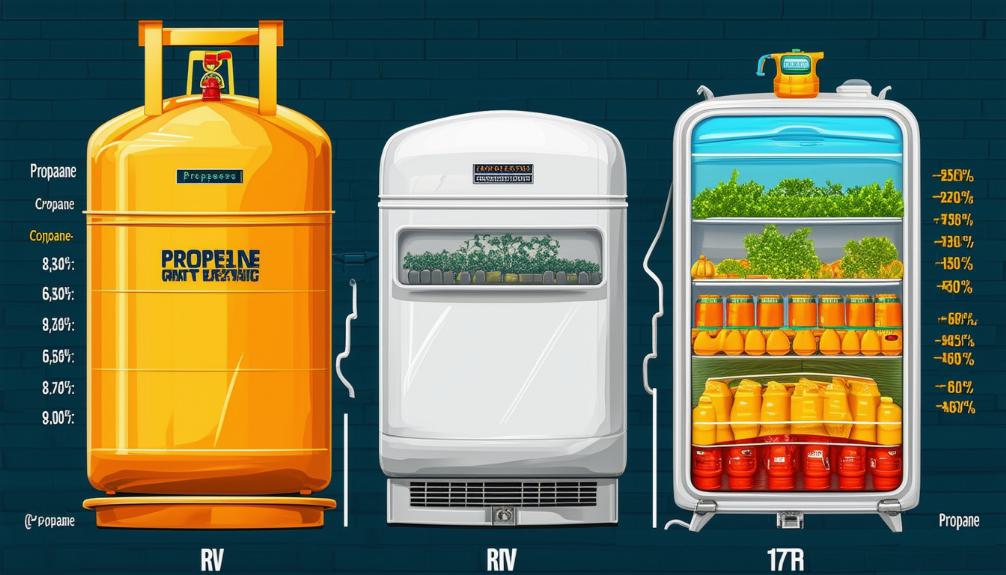
Alright, campers, gather 'round the virtual campfire! Let's talk about the burning question (pun intended!) that's probably crossed your mind: how much propane does that trusty camper fridge actually guzzle?
Fear not, intrepid adventurers, because we're about to demystify the propane-powered magic box that keeps your popsicles frozen and your condiments delightfully chilled.
Forget complicated calculations and scientific mumbo-jumbo, we're keeping it real, relatable, and maybe just a tad bit exaggerated for your amusement.
Must Read
Understanding the Propane Appetite of Your RV Fridge
First, let's get one thing straight: RV refrigerators are surprisingly fuel-efficient little beasts. They're not like those gas-guzzling SUVs of yesteryear (unless your RV is one of those, then... well, we'll deal with that later!).
Generally speaking, a typical RV refrigerator, running solely on propane, will use somewhere between 1/3 to 1/2 of a pound of propane per hour. Think of it like this: a gentle sip, not a ravenous gulp!
Now, before you start panicking and picturing your propane tank draining faster than a milkshake on a hot summer day, let's put that into perspective.
The Tank Talk: How Long Will Your Propane Last?
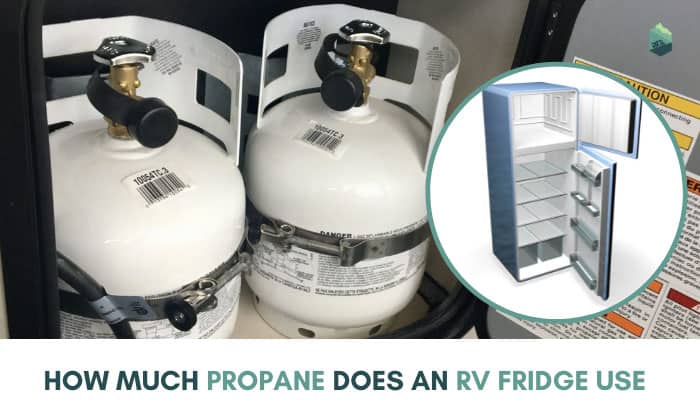
Most RVs come equipped with propane tanks that hold 20 pounds (that's the standard BBQ grill size) or 30 pounds of propane.
Let's say you have a 20-pound tank and your fridge uses 1/3 pound of propane per hour. That means your tank could potentially last for a whopping 60 hours, or about 2.5 days, running the fridge non-stop!
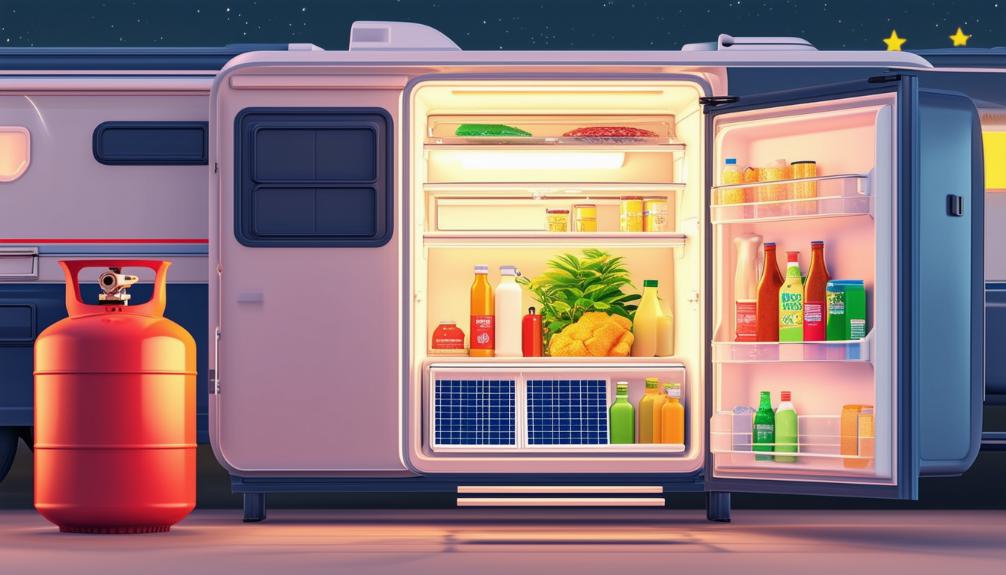
Of course, this is just an estimate, and your mileage may vary (literally!). We'll get into the factors that affect propane consumption in a bit.
Important note: Always, and I mean always, ensure your RV has a working carbon monoxide detector. Propane appliances, when not properly ventilated, can produce this odorless, deadly gas. Safety first, friends!
The Fridge Factor: What Influences Propane Usage?
Alright, so we've established that RV fridges are generally propane-sipping champions. But what makes one fridge more thirsty than another?
Well, think of it like us humans. Some of us can devour a whole pizza, while others are perfectly content with a slice (or maybe just a salad... if they're feeling particularly virtuous!).
Here are a few factors that can affect your fridge's propane consumption:
- Fridge Size: This one's a no-brainer. A larger fridge generally requires more propane to keep its contents cold. It's like trying to cool a mansion with a window AC unit.
- Ambient Temperature: When it's scorching hot outside, your fridge has to work harder to maintain its cool interior. Imagine trying to keep an ice cube frozen in the Sahara Desert. Not easy!
- Fridge Contents: A fully stocked fridge is more efficient than an empty one. All those cold goodies help to maintain a consistent temperature. Think of it as a thermal mass party!
- Door Opening Habits: Every time you open the fridge door, you let out the precious cold air and force the fridge to work harder to recover. Resist the urge to stare longingly at your snacks!
- Fridge Age and Condition: An older fridge may be less efficient than a newer model. Seals can degrade, insulation can become less effective, and parts can simply wear out over time. Time for some TLC!
- Levelness of the RV: Absorption refrigerators (the kind that run on propane in RVs) need to be relatively level to operate efficiently. An unlevel fridge can struggle to cool properly and may even be damaged.
Pro Tips for Pinpointing Your Propane Consumption
Want to become a propane consumption guru? Here's how to get a more accurate estimate of your fridge's propane appetite:
The Scale Method: Weigh your propane tank before and after a 24-hour period of running your fridge exclusively on propane. The difference in weight will tell you exactly how much propane your fridge used.
The Time-to-Empty Method: Fill your propane tank completely and then run your fridge exclusively on propane until the tank is empty. Note the number of hours it takes to empty the tank, and then divide the tank's capacity (in pounds) by the number of hours.
The Owner's Manual Method: Consult your fridge's owner's manual. It may provide information on the fridge's propane consumption rate under typical operating conditions.
Remember, these methods are just estimates, and your actual propane consumption may vary depending on the factors we discussed earlier.
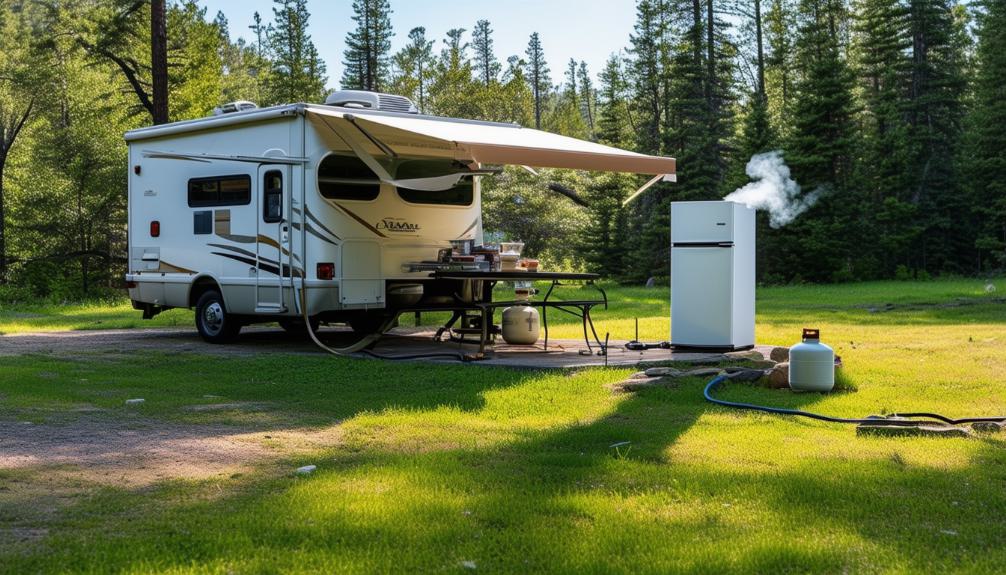
Beyond the Fridge: Other Propane Appliances
Now, before you pat yourself on the back for mastering the art of fridge-related propane management, remember that your RV probably has other propane-powered appliances as well.
We're talking about your furnace, water heater, and maybe even your stove. These appliances can significantly impact your overall propane consumption.
A furnace, especially when running on cold nights, can be a major propane hog. Water heaters can also consume a fair amount of propane, especially if you take long, luxurious showers.
Therefore, when planning your camping trips, be sure to factor in the propane consumption of all your appliances, not just the fridge.
Conserving Propane: Tips and Tricks
Want to stretch your propane supply and avoid those dreaded mid-trip refills? Here are a few tips and tricks to help you conserve propane:
- Pre-chill your fridge: Before your trip, pre-chill your fridge using electricity. This will reduce the amount of propane needed to cool it down initially.
- Park in the shade: Parking in the shade can help to keep your RV cooler, reducing the load on your fridge and other appliances.
- Use electricity whenever possible: When you're hooked up to shore power, use electricity to run your fridge, water heater, and other appliances.
- Be mindful of door openings: Avoid opening the fridge door unnecessarily. Every time you open the door, you let out the cold air and force the fridge to work harder.
- Use a cooler for drinks and snacks: Keep a separate cooler for drinks and snacks that you access frequently. This will reduce the number of times you have to open the fridge door.
- Insulate your RV: Proper insulation can help to keep your RV cooler in the summer and warmer in the winter, reducing the load on your fridge and furnace.
- Service your appliances: Regularly service your propane appliances to ensure they're operating efficiently.
- Consider a propane tank monitor: These handy devices allow you to track your propane levels in real-time, so you can avoid running out unexpectedly.
The Takeaway: Be Prepared, Be Efficient, Be Cool!
So, there you have it, folks! A comprehensive (and hopefully entertaining) guide to understanding the propane appetite of your RV refrigerator.
Remember, being prepared and efficient with your propane usage will not only save you money but also ensure that you have a comfortable and enjoyable camping experience. Plus, who wants to be the person stranded in the middle of nowhere with a warm fridge and a hangry family?
Now, go forth and conquer the great outdoors, armed with your newfound propane knowledge! And remember, keep those popsicles frozen and those beverages chilled. Happy camping!
And if you happen to run out of propane anyway? Well, that's just another story for the campfire! Adventure awaits!
Disclaimer: This article is for informational and entertainment purposes only. Actual propane consumption may vary depending on a variety of factors. Always consult your appliance's owner's manual and follow all safety precautions when using propane appliances.