How Much Power To Run A House
Ever found yourself staring at your electricity bill, wondering, "Just how much power does it actually take to run this whole place?" You're not alone! It's a question that sparks curiosity in many of us, turning a dreaded bill into a fascinating puzzle. Understanding your home's energy appetite isn't just for tech geeks or eco-warriors; it's a super useful superpower for anyone looking to save money, be kinder to the planet, or simply feel more in control of their living space.
The purpose of this little energy adventure is to demystify the power flowing through your home. Knowing roughly how much power you consume, and more importantly, what's using it up, offers incredible benefits. Imagine being able to trim down your monthly expenses with simple adjustments, or understanding the cost-effectiveness of that new energy-efficient appliance you've been eyeing. It's about empowering you to make smarter choices, from setting your thermostat to upgrading your lighting, and ultimately creating a more sustainable and budget-friendly household.
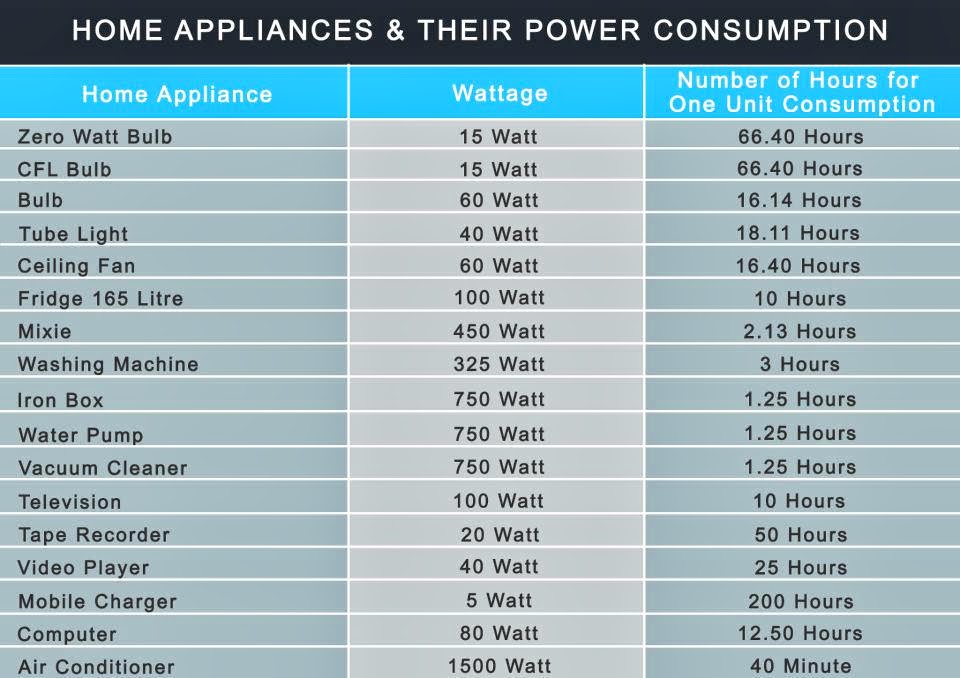
So, let's talk numbers, but don't worry, we'll keep it simple! When we talk about power, we often refer to watts (W) – that's the rate at which electricity is used. Think of it like speed: a powerful appliance uses more watts quickly. But your electricity bill doesn't charge you for speed; it charges you for the total "distance" traveled, which is called a kilowatt-hour (kWh). One kWh is 1,000 watts running for one hour. This is the magic number on your bill!
Must Read
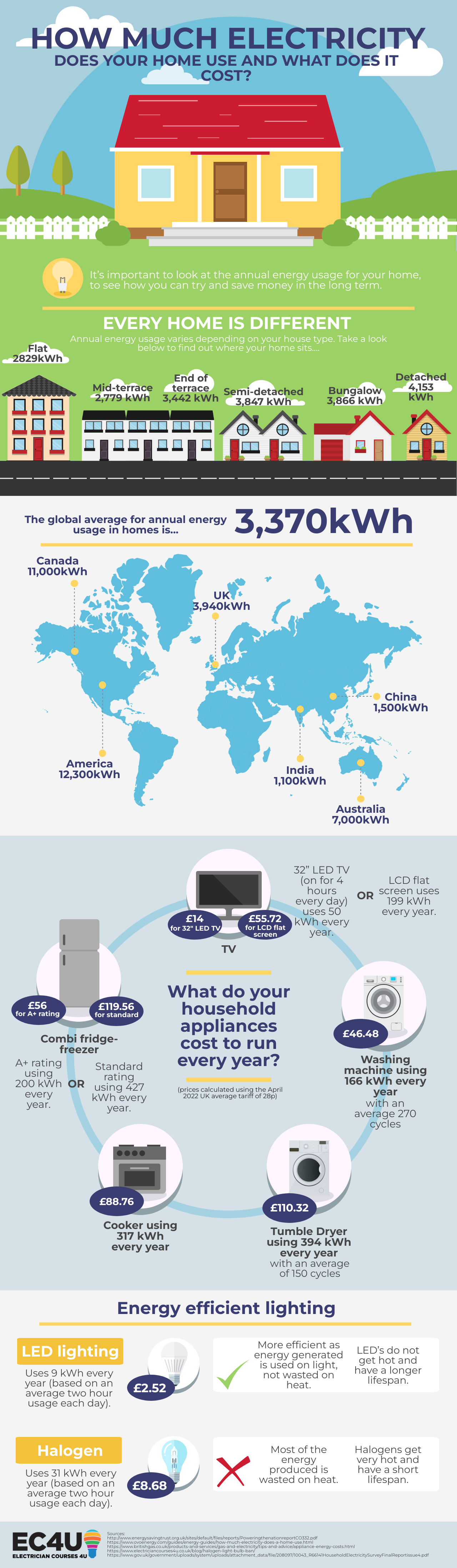
How much kWh does a typical house gobble up? Well, it varies wildly, like comparing a tiny smart car to a monster truck! A small apartment might use anywhere from 300-600 kWh per month, while a larger family home with air conditioning in a hot climate could easily hit 1,500-3,000 kWh or more. The average U.S. home, for example, hovers around 900 kWh monthly. The big energy guzzlers are usually your HVAC system (heating and cooling), water heater, refrigerator, and electric oven. Smaller items like lights, phone chargers, and TVs use much less, but they add up, especially if they're left on or in standby mode (hello, vampire power!).
Factors like the size of your house, the number of occupants, your local climate, and especially your daily habits play a huge role. Do you run the dryer constantly? Do you love long, hot showers? These all impact your final kWh count. The good news is, armed with this basic understanding, you can start being an energy detective! Check appliance labels for their wattage, look into smart thermostats, unplug chargers when not in use, and consider upgrading old, inefficient appliances. Understanding your home's power usage isn't just about saving a few bucks; it's about gaining a deeper appreciation for the energy that makes modern life possible, and taking proactive steps towards a more efficient future. It's truly empowering!