How Much Power Does One Solar Panel Generate
Ever stared at a solar panel and wondered, "Okay, but what exactly can you power?" You're not alone. It's like looking at a particularly shiny potato – you know it's food, but what kind of culinary masterpiece can you whip up with just one? Let's break down how much juice a single solar panel actually packs.
The Wattage Wrangle: Getting Down to Numbers
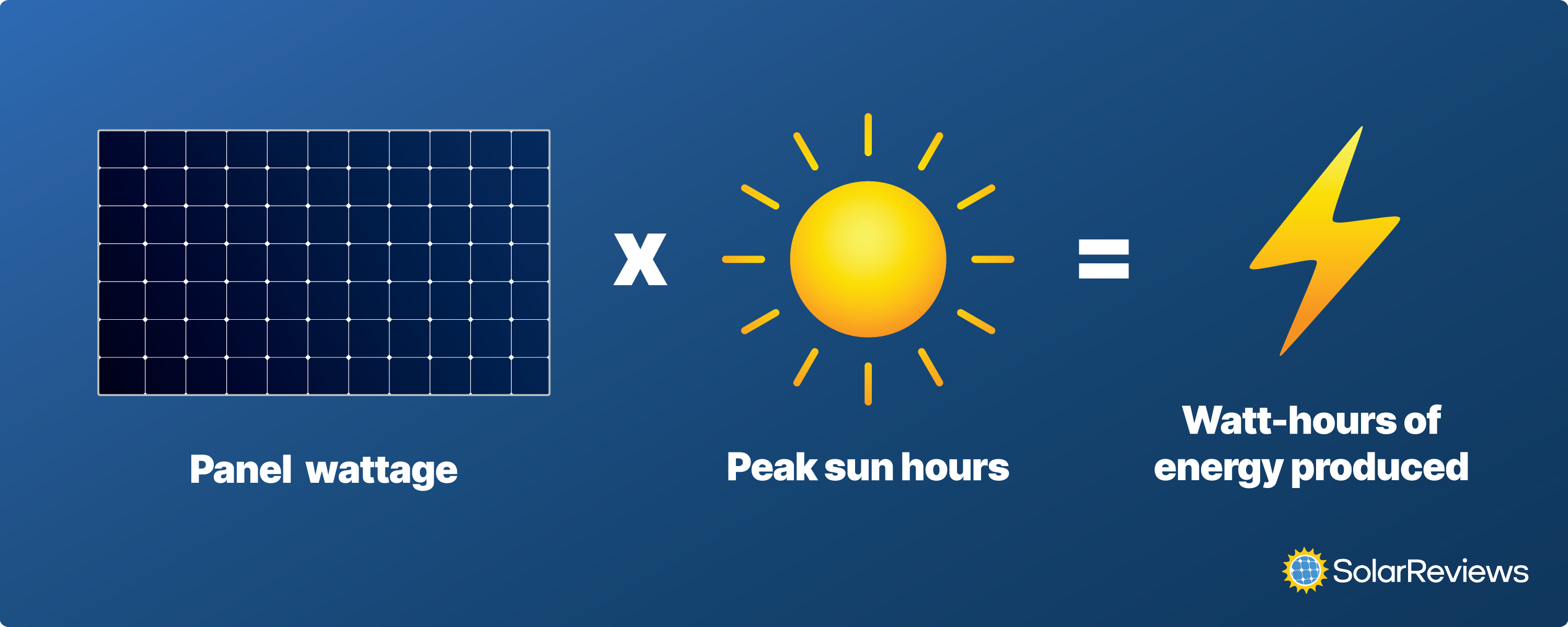
First things first: solar panel power is measured in watts (W). Think of watts like the size of the potato – a bigger potato (more watts) means more potential for fries! Most solar panels you see on rooftops these days pump out somewhere between 250 and 400 watts. It's a range, I know, but life's rarely a perfect 12-inch ruler, is it?
So, what does that 300-watt average actually mean? Well, it's like this: that's the peak power it generates under perfect conditions. Picture a cloudless day, the sun shining directly at your panel, and maybe even a little choir of angels singing hymns to photovoltaic efficiency. In the real world, things are a little less… operatic.
Must Read
Reality Bites (But Solar Still Shines)
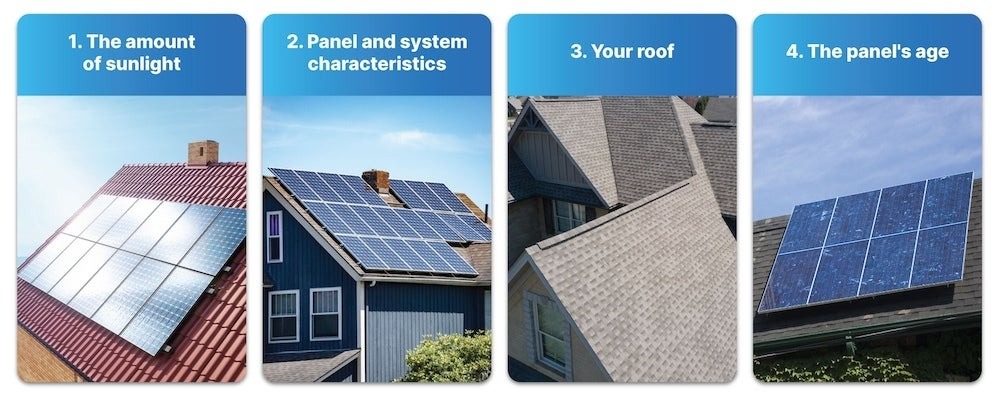
Factors like shading, the angle of the sun, the weather, and even how dusty the panel is, all affect its output. Think of it like trying to bake a cake outside in the middle of a blizzard. You might get something vaguely edible, but it's not going to be on "Nailed It!" anytime soon.
Because of these real-world conditions, your 300-watt panel might realistically produce closer to, say, 200-250 watts on average throughout the day. Don't despair! That's still enough to do some cool stuff.
Powering Your Life, One Panel at a Time
Let's get practical. What can you actually run with the power from a single solar panel? Here are a few examples:
- A Laptop: A typical laptop uses around 50-100 watts. So, a single panel could keep your laptop humming along nicely. Imagine working remotely powered entirely by sunshine!
- LED Lights: LED lights are super energy-efficient. You could easily power several LED bulbs with one panel. Think mood lighting that's good for the planet and your wallet.
- A Small Fan: Need a little breeze on a hot day? A small fan typically uses around 30-50 watts. Now you can literally say you're "powered by the sun."
- Charging a Phone: Easily! Your phone drinks up a measly few watts compared to what a solar panel offers. You could charge multiple phones, power banks, or even a tablet.
Now, trying to run your air conditioner or your entire refrigerator on a single panel? That's like trying to tow a semi-truck with a bicycle. It's just not going to happen. Those appliances are power hogs that require a whole army of solar panels.
It's All About the Bigger Picture (or System!)
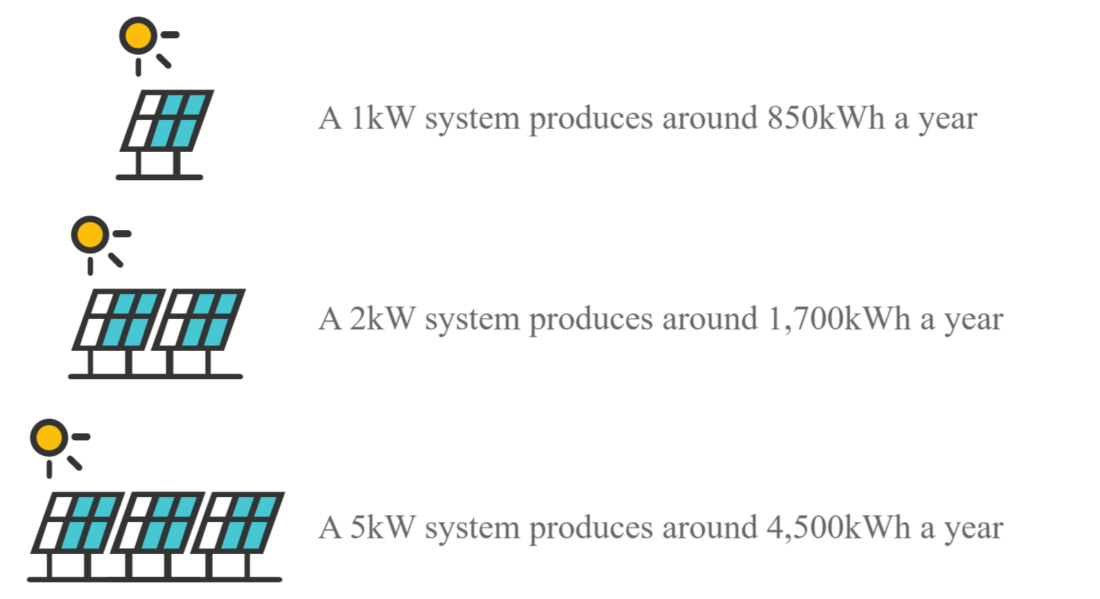
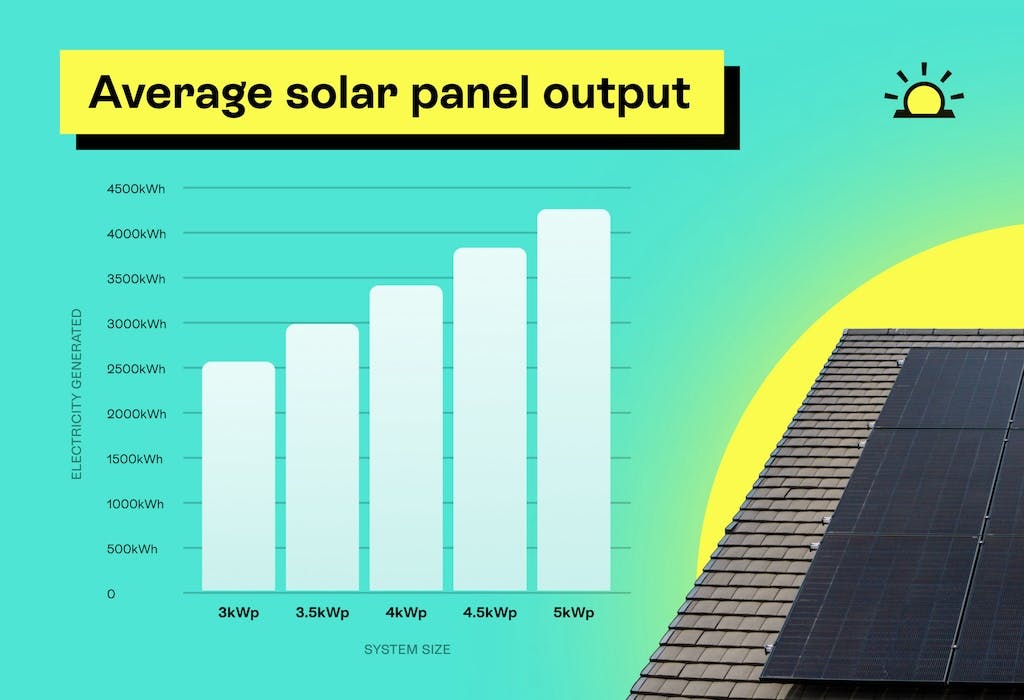
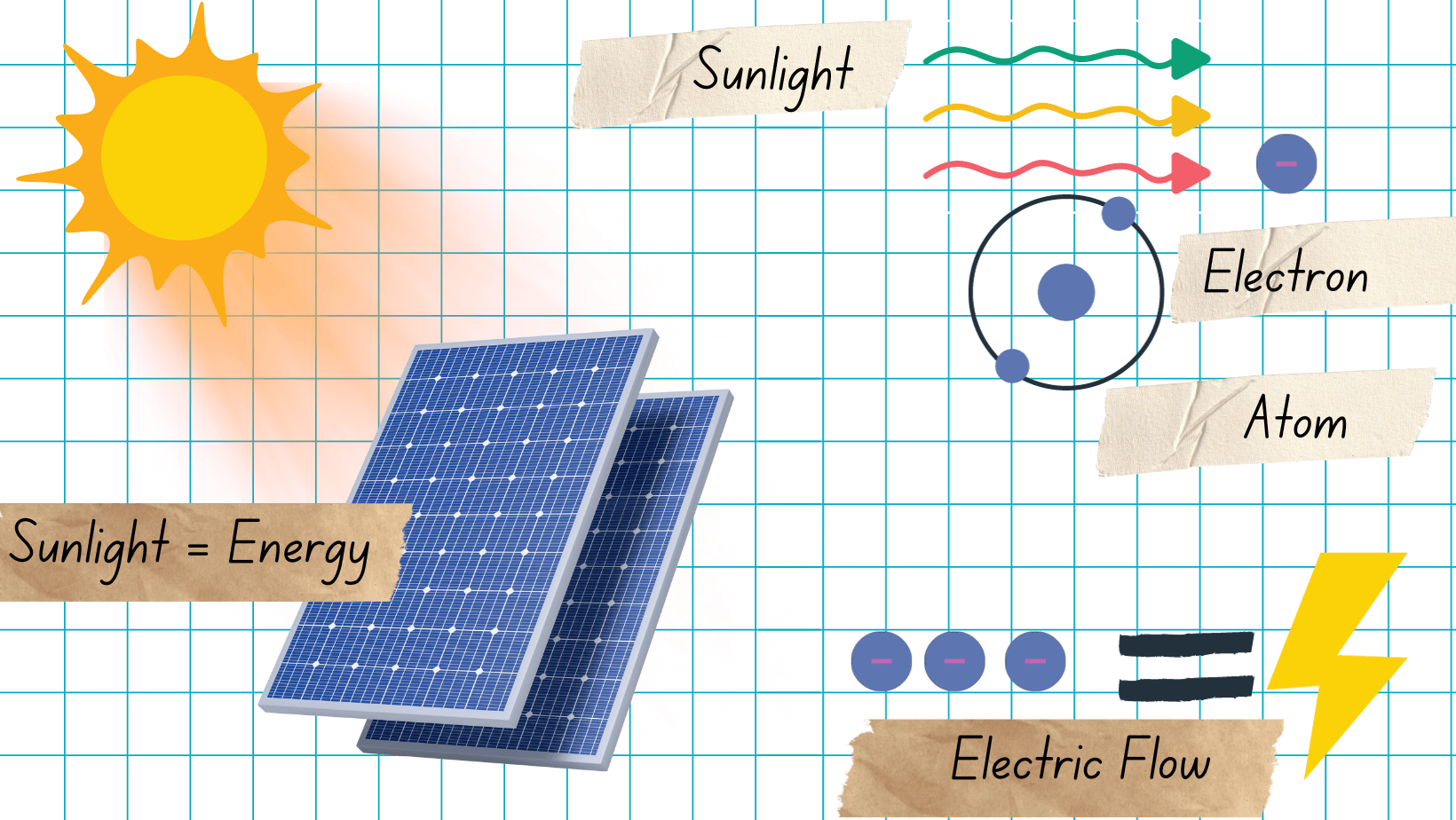
The real magic happens when you connect multiple solar panels together in a solar array. That's when you start talking about seriously reducing your electricity bill, powering your entire home, and maybe even selling excess energy back to the grid! One panel is a good start, but a full system is where you really unlock the potential of solar energy.
Think of it like this: one solar panel is a delicious snack. A whole array of panels is a full-course meal. And a full-course meal of clean, renewable energy? Now that's something to smile about.
So, next time you see a solar panel, remember it's not just a rectangular piece of glass. It's a little power plant, quietly converting sunshine into usable energy. And while one panel might not power your entire life, it's a step in the right direction towards a greener, more sustainable future. Plus, it's a great conversation starter at parties. "Hey, did you know my laptop is powered by the sun?" Instant cool points!