How Much Power Does A Wind Turbine Produce Per Hour

Okay, let's talk wind. Not the kind that messes up your perfectly styled hair (though we've all been there!), but the kind that's spinning us towards a greener future. We're diving into the fascinating world of wind turbines and answering that burning question: How much power exactly does one of these majestic giants churn out in an hour?
The Wind Turbine Power Hour: A Breakdown
First things first, there's no single, simple answer. It's like asking how much a car costs. Is it a vintage Vespa or a tricked-out Tesla? Similarly, wind turbine power generation hinges on a few key factors:
- Turbine Size and Capacity: Think of this as the turbine's engine size. Bigger turbines with longer blades can capture more wind and, therefore, generate more electricity. A small residential turbine might have a capacity of just a few kilowatts (kW), while a massive offshore turbine can boast a capacity of 10 megawatts (MW) or even more!
- Wind Speed: This is a no-brainer. The stronger the wind, the faster the blades spin, and the more electricity is produced. It's like trying to pedal your bike uphill in a hurricane versus a gentle breeze.
- Location, Location, Location: Prime real estate matters. Wind farms are strategically placed in areas with consistently high wind speeds, like mountain passes or coastal regions. Imagine trying to surf in a bathtub – you need the right conditions!
So, with all that in mind, let's get to some rough numbers. A typical modern wind turbine with a capacity of 2-3 MW can generate approximately 6,000 kilowatt-hours (kWh) per year. Now, let's break that down:
Must Read
6,000,000 kWh / 365 days = roughly 16,438 kWh per day
16,438 kWh / 24 hours = approximately 685 kWh per hour.
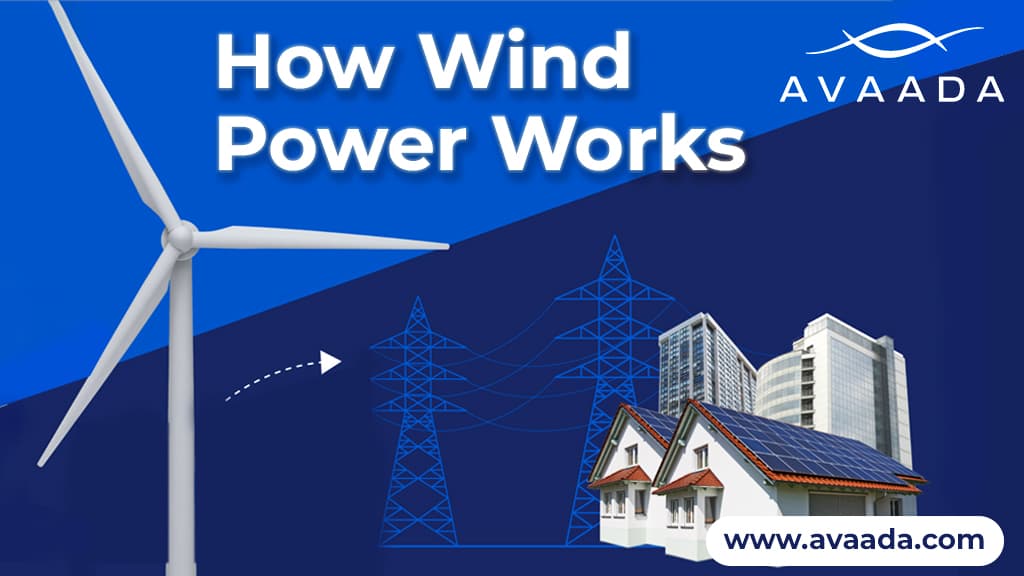
That's a lot of power! To put that in perspective, the average US household consumes around 30 kWh per day. So, in a single hour, a 2-3 MW wind turbine could theoretically power about 22 homes!
Beyond the Numbers: Real-World Considerations
Of course, things are never quite that simple. Wind doesn't blow consistently, so turbines don't always operate at their maximum capacity. This is where the concept of "capacity factor" comes in. It's the ratio of actual energy output over a period of time to the maximum possible output. A typical wind turbine has a capacity factor of around 30-50%. Meaning, on average, a turbine generates around 30-50% of its rated capacity. This is why energy companies need to use a combination of energy source.

Even with variable wind speeds, wind energy is a powerful and clean source of electricity. It's a renewable resource, meaning it won't run out like fossil fuels. Plus, it doesn't produce harmful greenhouse gas emissions, helping us combat climate change.
Fun Facts & Cultural Nods
Did you know that the first wind turbines were actually windmills used for grinding grain and pumping water? Think Don Quixote tilting at windmills – though those weren't exactly generating electricity! The modern wind turbine evolved from these earlier designs, showcasing human ingenuity and our constant quest for harnessing natural power.

And speaking of culture, wind turbines are becoming increasingly iconic landscape features in many parts of the world. They're a symbol of progress, sustainability, and a commitment to a cleaner future. They are appearing more frequently in films as backdrops to movies involving sustainability.
Practical Tips: Embracing Wind Energy in Your Life
While you might not be able to install a giant wind turbine in your backyard (unless you have a really big backyard and understanding neighbors!), there are still ways to support wind energy:
- Choose a Green Energy Provider: Many electricity companies offer options to purchase energy from renewable sources, including wind.
- Advocate for Renewable Energy Policies: Support policies that promote wind energy development and other clean energy initiatives.
- Reduce Your Energy Consumption: Simple things like turning off lights, using energy-efficient appliances, and reducing your carbon footprint can make a big difference.
A Final Thought: Riding the Wind
The next time you see a wind turbine gracefully spinning against the horizon, take a moment to appreciate the power of the wind and the ingenuity of human technology. These machines aren't just generating electricity; they're contributing to a cleaner, more sustainable future for all of us. Even small changes in our daily routines, like turning off lights or choosing sustainable options, contribute to a collective effort. Just as wind turbines harness the power of nature, we too can harness our own power to create a positive impact on the world, one gust of wind – or conscious choice – at a time.