
How Much Power Does A Wind Turbine Generate Per Hour
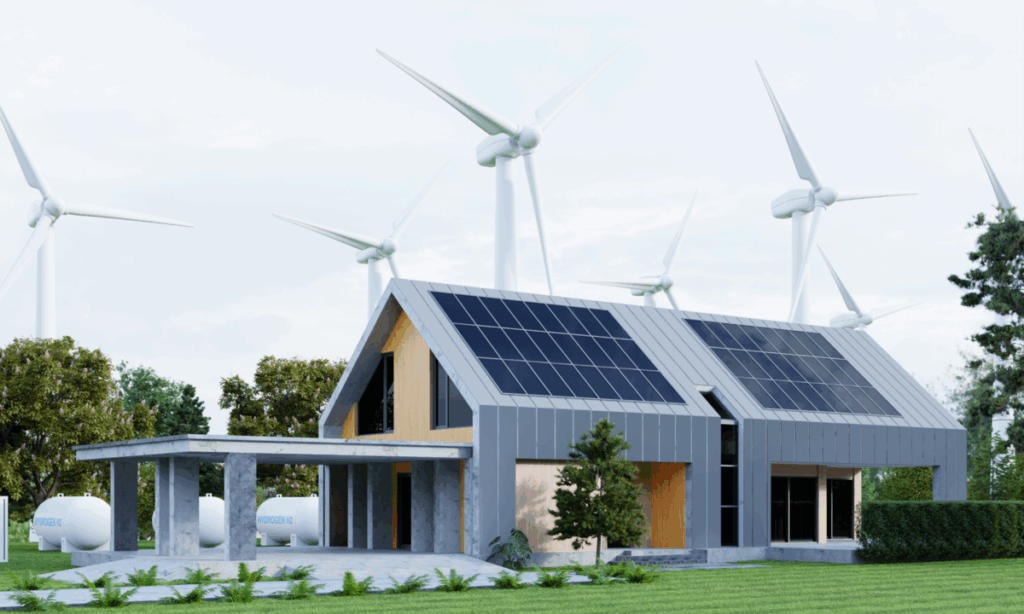
Ever looked up at those majestic giants, the wind turbines, and wondered just how much electricity they're churning out every hour? Well, buckle up, because we're about to dive into the wonderful world of wind power, and it's going to be electrifying! (Pun intended, of course.)
Wind Turbine Power: A Crash Course
Let's cut to the chase. There's no single, simple answer to this. It's like asking how much food a person eats – it depends on the person, the day, and what's on the menu! Wind turbines are similar.
Think of it this way. A tiny toy windmill won't power your refrigerator. A massive, state-of-the-art turbine? That's a whole different ballgame!
Must Read
Key Factors Affecting Wind Turbine Output
The amount of power a wind turbine generates depends on a few super important things. First, we have the size of the turbine. The bigger the blades, the more wind they catch, and the more power they make. It's like having a bigger net to catch more fish!
Next, and probably most important, is the wind speed! No wind, no power. A gentle breeze might tickle the blades, but a strong, consistent gust is what really gets those turbines humming. Imagine trying to push a car – it's much easier with a good running start!
Finally, there's something called the capacity factor. This essentially means how much of the time the turbine is operating at its maximum potential. Turbines don't always run at 100% efficiency. Think of it like a car. It can go 150mph, but it rarely does.
The Numbers Game: Getting Down to Specifics
Okay, let's get a little more concrete. A modern, utility-scale wind turbine (the kind you see in wind farms) typically has a capacity between 2 and 3 megawatts (MW).
Now, what does that even mean? One megawatt is equal to one million watts! That's a lot of power.
So, if a 2 MW turbine is operating at full capacity (and remember, that's rarely the case for the entire hour!), it can generate 2 megawatt-hours (MWh) of electricity in one hour. A 3 MW turbine could generate 3 MWh.
Visualizing the Power: Real-World Examples
Let's bring this back to earth. How much is 2-3 MWh, really? Well, the average US household uses about 10,000 kilowatt-hours (kWh) per year. Remember, 1 MWh is 1,000 kWh. This means that one of those turbines could power several hundred average homes for an hour!
Let's say it's a 2.5 MW turbine. It could produce 2,500 kWh in an hour. That's enough to power roughly 250 average homes for that same hour. That's like powering an entire neighborhood with a single, spinning giant!
Imagine all the toasters, TVs, and video game consoles running smoothly thanks to the power of the wind. It's pretty cool, right?
The Importance of Wind Farms
One wind turbine is great, but a whole wind farm? That's where the real magic happens. Wind farms consist of many turbines clustered together in areas with consistently strong winds.

These farms can generate enormous amounts of electricity, enough to power entire cities! They're a vital part of the clean energy revolution, helping us move away from fossil fuels and towards a more sustainable future. Think of them as powerhouses of the plains.
So, next time you see a wind farm, remember that each of those turbines is working hard to provide clean, reliable energy. They're not just spinning; they're spinning gold (well, electricity, which is almost as good!).
What About Smaller Turbines?
We've been talking about the big boys, but what about smaller wind turbines? These are often used in residential or commercial settings to generate a portion of their own electricity.
These smaller turbines typically have a capacity of a few kilowatts (kW). They might generate enough electricity to power a single home, or even just specific appliances like lights or a water heater.
While they don't produce as much power as the big turbines, they're still a valuable tool for reducing our reliance on traditional energy sources. Think of them like mini-wind-warriors battling against high electricity bills!
The Future of Wind Power
Wind power is one of the fastest-growing sources of renewable energy in the world, and it's only going to become more important in the years to come. As technology improves, wind turbines are becoming more efficient and more powerful.
Researchers are developing new designs that can capture even more energy from the wind, and are exploring ways to store excess energy generated by wind farms so that it can be used when the wind isn't blowing. This is important because the wind, of course, doesn't always blow.
So, keep an eye on the wind! It's not just a weather phenomenon; it's a source of clean, sustainable energy that's helping us build a brighter future. The future of energy is, quite literally, blowing in the wind.
Debunking Wind Turbine Myths
Before we wrap up, let's address a few common misconceptions about wind turbines. Some people worry that they're noisy. Modern turbines are actually quite quiet. The whooshing sound they make is usually barely noticeable.
There are also concerns about their impact on wildlife. While it's true that wind turbines can pose a risk to birds and bats, developers are taking steps to minimize these impacts, such as carefully selecting turbine locations and using deterrent technologies.
Finally, there's the myth that wind turbines are unreliable. While it's true that wind power is intermittent (it depends on the wind), wind farms are becoming increasingly integrated into the power grid. That's a real important point. Modern technology combines it with other energy sources to ensure a reliable supply of electricity.

Wind Power: A Sustainable Solution
So, how much power does a wind turbine generate per hour? It depends! But even a rough estimate shows that these amazing machines are a powerful force for good. They're helping us reduce our carbon footprint, create jobs, and build a more sustainable energy future.
Next time you see a wind turbine, take a moment to appreciate the ingenuity and innovation that went into its design. Remember that it's more than just a spinning blade; it's a symbol of our commitment to a cleaner, brighter future.
And hey, maybe even consider investing in some wind-powered energy for your own home. Every little bit helps!
Wind energy is an awesome resource. Let’s keep utilizing it and creating a better world for all.
So, that’s it! That's all you need to know about wind power. See you again in the next energy article!
Have a wonderful wind-powered day!