How Much Power Does A Swimming Pool Pump Use

Ever wonder how much your swimming pool pump is secretly contributing to your electricity bill? It’s a question that pops into many pool owners' minds, especially when those summer bills arrive. Understanding your pool pump's energy consumption isn't just about saving money; it's about being a more responsible homeowner and maybe even making some environmentally conscious choices. So, let's dive into the fascinating world of pool pump power!
The main purpose of a pool pump is simple: to circulate water. This circulation ensures that chemicals are evenly distributed, debris is filtered out, and your pool stays clean and inviting. But the benefits extend beyond just clean water.
For beginners, understanding pump power helps in choosing the right pump size when installing a new pool or replacing an old one. A pump that's too powerful wastes energy, while one that's too weak won't adequately clean the pool. For families, knowing the pump's energy use can help budget for monthly expenses and find ways to reduce costs, leaving more money for fun pool toys and barbecues. And for pool hobbyists or those keen on pool maintenance, understanding the nuances of pump technology and energy efficiency opens up opportunities for optimizing the pool system, possibly experimenting with variable-speed pumps or timers, and generally becoming a pool guru!
Must Read
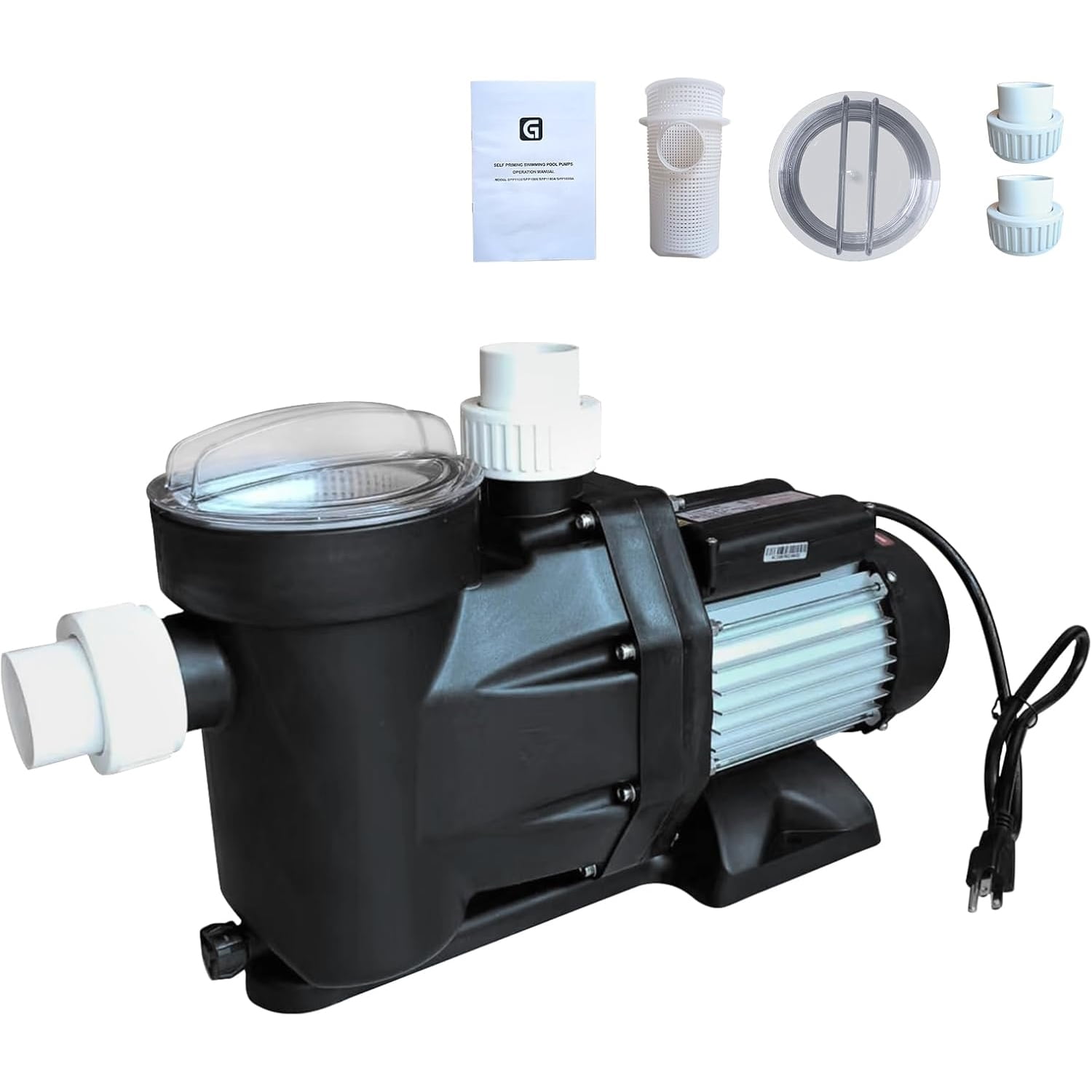
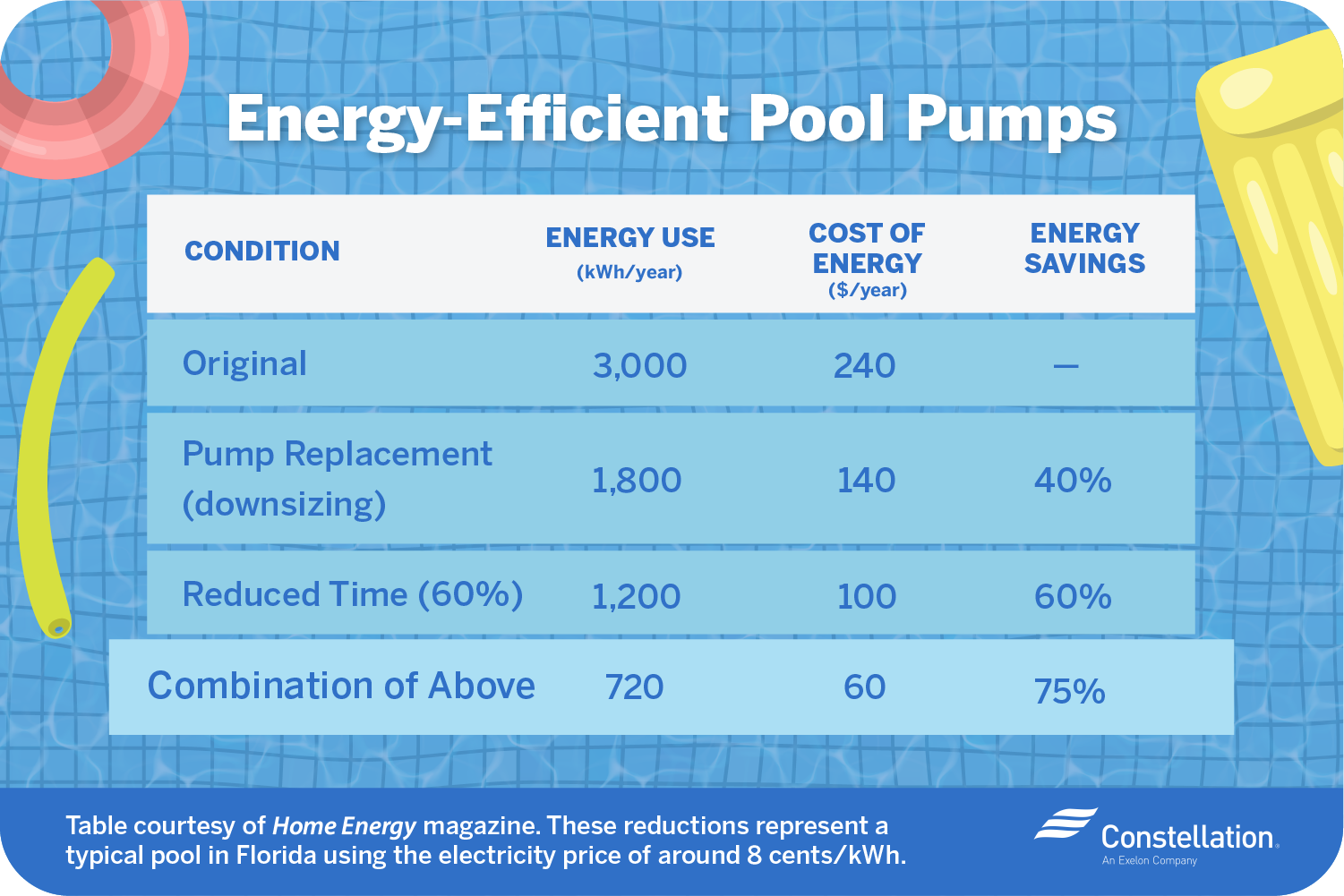
So, how much power are we talking about? Well, it depends. Most residential pool pumps range from 0.5 horsepower (HP) to 3 HP. A 1 HP pump, for instance, might draw around 750 watts. However, it's not just about the horsepower. Older single-speed pumps run at full power all the time, consuming significantly more energy than newer variable-speed pumps. Variable-speed pumps can be adjusted to run at lower speeds for most of the day, significantly reducing energy consumption while still maintaining adequate circulation. Think of it like driving a car: constantly flooring the gas pedal uses a lot more fuel than cruising at a steady speed.
Here are some common variations: Some pools may also use auxiliary pumps for features like waterfalls or spa jets. These also contribute to the overall energy consumption. Saltwater pools often use pumps in conjunction with saltwater chlorine generators, and their energy usage should be considered too.
Getting started with understanding your pool pump's energy use is easier than you might think. Here are a few simple, practical tips:
- Check the pump's label: Look for the horsepower and wattage information.
- Consider a variable-speed pump: They are more expensive upfront but can save you a lot of money in the long run.
- Use a timer: Set the pump to run only during off-peak hours.
- Clean your filters regularly: Clogged filters force the pump to work harder, using more energy.
- Get a home energy monitor: These handy devices can show you exactly how much energy your pool pump (and everything else) is using.
Ultimately, understanding how much power your swimming pool pump uses is a journey toward greater control over your energy costs and a more sustainable pool ownership experience. It empowers you to make informed decisions, optimize your pool system, and enjoy your backyard oasis with a clearer conscience and a fuller wallet. So, take the plunge and start exploring the power of your pump – you might be surprised at what you discover!