
How Much Power Does A Heater Use
Ah, the humble heater. Your cozy companion on a frosty morning, your silent savior against the shivers, and, let's be honest, probably the reason your electricity bill sometimes looks like a phone number instead of a price. We all love that blast of immediate warmth, but have you ever stopped to wonder, with a slightly trembling wallet, just how much power this magical heat-maker is actually devouring?
Prepare yourself, because the answer is often: a lot. Like, "could probably power a small disco ball and a dozen lava lamps" a lot. It’s time to pull back the curtain on this notorious energy glutton and understand its habits, all while having a chuckle or two.
The Hungry Beast: Watts and Whatnot
Let's get technical for a hot minute, but in a fun, café-chat kind of way. When we talk about how much power an appliance uses, we’re usually talking about watts. Think of watts as the appliance’s appetite. A tiny night light might be 5 watts – a delicate nibbler. Your fridge? Maybe 150 watts – a steady grazer. Your heater, on the other hand, is a full-blown, all-you-can-eat buffet champion.
Must Read
Most common portable electric space heaters clock in at a hefty 1500 watts. That's fifteen hundred! To put that into perspective, your average microwave is about 1000-1200 watts. Your hair dryer? Also often in the 1500-watt range. So, when you're warming up your toes, you're essentially running a very powerful hairdryer aimed at your living room, or nuking a very large burrito for hours on end. Suddenly, that cozy glow feels a little less innocent, doesn't it?
Different Heaters, Same Thirsty Problem
You might think, "Ah, but I have a fancy oil-filled radiator! It's so gentle!" Or, "My radiant heater just beams heat, it must be more efficient!" Well, I'm here to burst that bubble gently, like a warm, comforting (and expensive) puff of air. While different types of electric heaters distribute heat in various ways, their raw power consumption is usually very similar for a given heat output.
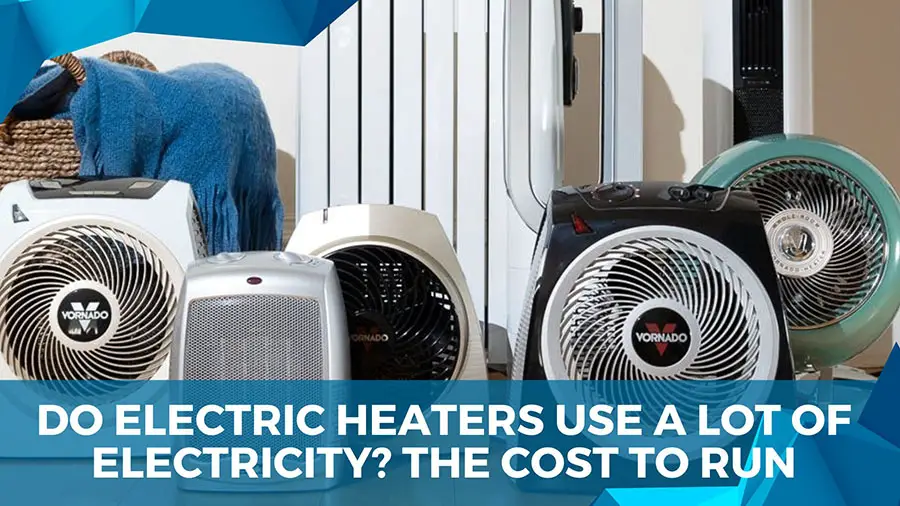
A 1500-watt ceramic heater, an oil-filled radiator, or an infrared radiant heater will all pull approximately 1500 watts from your wall socket when they're running full tilt. The difference lies in how effectively that heat makes you feel warm, not in how much electricity they consume to produce that heat. It's a bit like different types of sports cars – they all drink a lot of gas, even if one looks sleeker than the other.
The Wallet Whammy: Turning Watts into Dollars
Okay, so 1500 watts sounds like a lot, but what does that mean for your bank account? This is where we introduce the mighty kilowatt-hour, or kWh. Think of a kWh as a "unit" of electricity. Your electricity company charges you per kWh you use. It's like buying bananas by the bunch, not by the individual fruit.

Here's the quick math: 1500 watts is 1.5 kilowatts (since there are 1000 watts in a kilowatt). So, if you run that 1500-watt heater for one hour, you've used 1.5 kWh of electricity. Simple, right?
Now, let's say your electricity costs about $0.15 per kWh (this varies wildly, so check your bill!). Running that heater for an hour costs you: 1.5 kWh * $0.15/kWh = $0.225. "Oh, that's not so bad!" you might think. Ah, my friend, but heaters aren't just for an hour, are they? They're often on for hours and hours!

Run it for 8 hours while you're working from home? That's $0.225 * 8 = $1.80 a day. Keep it on for a month of chilly weekdays? That's roughly $1.80 * 20 days = $36 a month. And if you're like me and forget to turn it off when you leave the house... well, let's just say it adds up faster than you can say "brrr." Suddenly, that warm glow feels like a gentle, persistent drain on your resources.
Surprising Truths and Cold Comforts
Here's a fun fact that might make you gasp: a single 1500-watt space heater often uses more electricity than your refrigerator, TV, and laptop combined. Yes, that little box bringing you warmth is a bigger energy hog than the device keeping your food fresh, the screen entertaining you, and the machine you use to pay your bills. It's the silent, unassuming villain of your power statement.

Another shocker? If you left that 1500-watt heater on for a full 24 hours (please don't!), it would consume 36 kWh. That's enough electricity to power a surprisingly large number of LED light bulbs for weeks, or charge your smartphone hundreds of times. It's like having a tiny, personal atomic furnace in your room, except instead of splitting atoms, it's splitting your bank account.
Taming the Power Dragon: A Few Hot Tips
So, what's a cold person with a keen eye on their budget to do? Don't despair! You don't have to shiver through winter. Here are a few tricks to keep the power dragon at bay:
- Insulation is Your Best Friend: This is the unsung hero! Seal those drafty windows and doors. A little weatherstripping goes a long, long way in keeping the heat in and the cold out. It's like putting a warm, cozy blanket on your house itself.
- Layer Up, Buttercup: Before you reach for the heater dial, reach for a sweater! Or two! A good pair of wool socks can do wonders. It’s the original, most energy-efficient heating system.
- Use a Thermostat (or Be One!): Many space heaters come with thermostats. Use them! Set it to a comfortable temperature (around 68-70°F or 20-21°C is often recommended) and let it cycle on and off. Don't just blast it on high until you're sweating.
- Zone Heating: Only heat the room you're actually in. Why pay to warm an empty bedroom or a rarely-used dining room? Close doors to unused areas and let your heater focus its warmth where it matters most: on you!
- Smart Plugs: Pair your heater with a smart plug! You can schedule it to turn on just before you get home, or turn it off remotely if you forget. Convenience and savings!
So, the next time you bask in the glow of your electric heater, remember its mighty power (and its mighty thirst). It’s a wonderfully effective tool for comfort, but like a rich, decadent dessert, it's best enjoyed mindfully and in moderation. Your wallet, and the planet, will thank you!