
How Much Oil Is In The Earth
Ever wondered about the secret stash of black gold hidden deep within our Earth? It's a fascinating mystery, almost like a treasure hunt happening right beneath our feet!
Imagine the planet holding onto vast pools of gooey, ancient sunshine. That's essentially what crude oil is – energy from millions of years ago, all packed away.
The sheer scale of it is mind-boggling. It makes you feel like Earth is a giant piggy bank, just waiting to be explored.
Must Read
Where Did All This Gooey Gold Come From?
It all starts with tiny sea creatures and plants. When they died long, long ago, they sank to the bottom of ancient oceans.
Over millions of years, layers of sand and mud piled on top. This extreme pressure and heat transformed them into the oil we know today.
It's like a super slow-motion cooking process, taking eons to perfect this valuable resource. Pretty neat, right?
The "Proved Reserves" - Earth's Known Pantry
So, how much oil are we talking about? Scientists and engineers have a special term: "proved reserves."
This isn't just a wild guess. These are the amounts of oil we know for sure exist and can be economically pulled out of the ground.
It's like knowing exactly how many cookies are in the jar, based on what you can see and reach. It’s a pretty big jar!
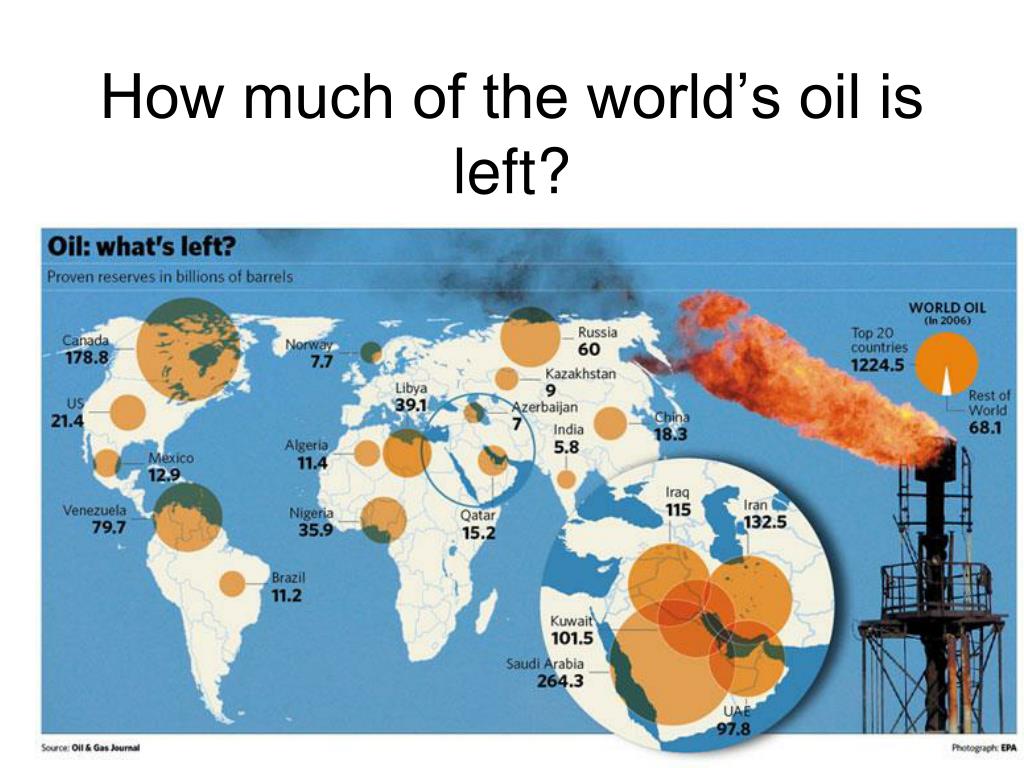
Currently, the world's total proved reserves hover around 1.7 trillion barrels. Yes, that's "trillion" with a "T"!
That number is almost too big to imagine. If you lined up 1.7 trillion barrels, they'd probably stretch to the moon and back several times.

It's a colossal amount, making you appreciate the sheer generosity of our planet. What an amazing natural vault!
Who Has the Biggest Stash?
Some countries are incredibly lucky to sit atop massive oil reservoirs. They are the true custodians of this liquid treasure.
Venezuela often tops the list, boasting an enormous amount of crude oil. They're like the big winner in a global lottery.
Other major players include Saudi Arabia, Canada, and Iran. They each hold significant portions of the world's known oil.
These countries play a huge role in the global energy picture. Their underground wealth influences so much around us.
Why Does This Number Keep Changing?
You might think proved reserves would be a fixed number, but it's not! This number is always on the move.
New technologies help us find previously unreachable oil. It's like finding a secret compartment in that cookie jar you thought was empty!
Better drilling techniques mean we can extract more from existing wells. It's becoming more efficient all the time.
So, the amount of "known" oil can actually increase, even as we use some up. It's a continuous discovery process.

Beyond the Easy Goo: Unconventional Oil!
Our planet holds even more oil, but it's a bit harder to get to. We call this "unconventional oil."
Think of it as the super stubborn bits of cookie dough stuck to the bottom of the bowl. You know it's there, but it takes more effort!
One famous example is oil sands, found in places like Canada. Here, oil is mixed with sand and clay.
It's more like tar than liquid oil and requires special processes to extract. It’s a whole different ballgame of extraction.
Then there's shale oil, which is trapped in layers of rock. Special techniques like hydraulic fracturing help unlock it.
These unconventional sources add billions more barrels to the total potential supply. They are truly game-changers.
"Earth holds more secrets than we can imagine, especially when it comes to its deep, dark pockets of energy."
So, when you consider these harder-to-reach types, the total amount of oil Earth holds grows even larger. It's a truly vast resource.
It just goes to show how adaptable and clever human ingenuity can be. We're always finding new ways to tap into Earth's bounty.
Is There Still More Hidden Treasure?
Absolutely! The Earth is a big place, and we haven't explored every inch of it. There are still many unknown pockets of oil.
Deep under the oceans, beneath ice caps, and in remote deserts, new discoveries are always possible. It's an ongoing adventure.
Geologists are like detectives, constantly searching for clues to locate these hidden riches. They really are planet explorers.
Every now and then, a major new oil field is discovered, reminding us that Earth still has surprises in store. It's truly exciting!
Will We Ever Run Out of This Sticky Stuff?
The question of "running out" has been around for decades. It's a natural concern, given how much we rely on it.
Based on current proved reserves and usage rates, some estimates suggest we have enough conventional oil for several decades.
However, that doesn't account for new discoveries or improved extraction methods. The goalposts keep shifting!
Plus, with those massive unconventional reserves, the picture becomes even more complex. It's not a simple countdown.
It's more about how much we need, how much we can afford to extract, and what alternatives we develop. It's a dynamic puzzle.

Why Does This Gooey Treasure Matter So Much?
Oil isn't just for fueling our cars. It's a fundamental ingredient in countless aspects of modern life. It's everywhere!
Think about plastics, medicines, fertilizers, and even cosmetics. Many everyday items owe their existence to oil.
It powers industry, heats our homes, and helps transport goods around the globe. It truly is the backbone of our economy.
Understanding how much oil is in the Earth helps us plan for the future. It’s about energy security and thoughtful resource management.
The Future of Earth's Oil Story
While Earth holds a tremendous amount of oil, the world is also moving towards renewable energy. This is a big shift!
Solar, wind, and other clean energy sources are becoming increasingly important. We're finding new ways to power our lives.
So, while the oil reservoirs are vast, our reliance on them might change over time. It's an exciting time of transition.
The story of Earth's oil is far from over. It's a tale of ancient geology, human ingenuity, and a constantly evolving future.
It truly makes you pause and appreciate the incredible resources our planet provides. What a fascinating world we live in!