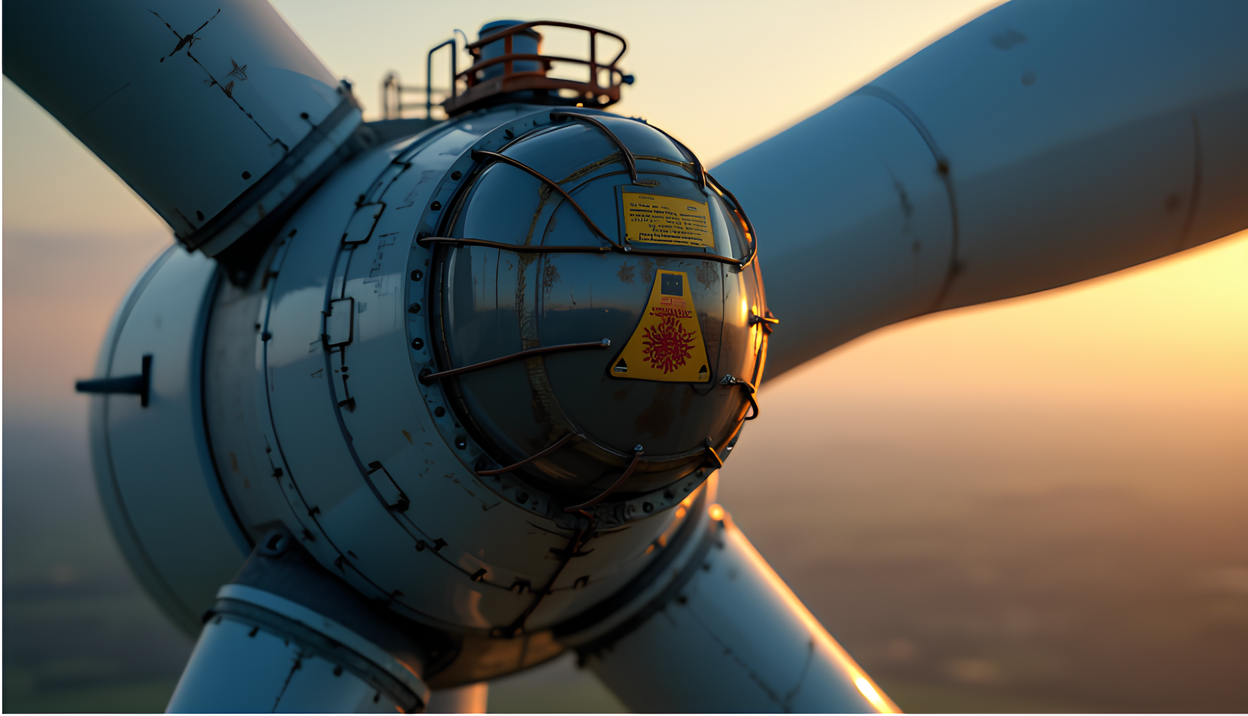
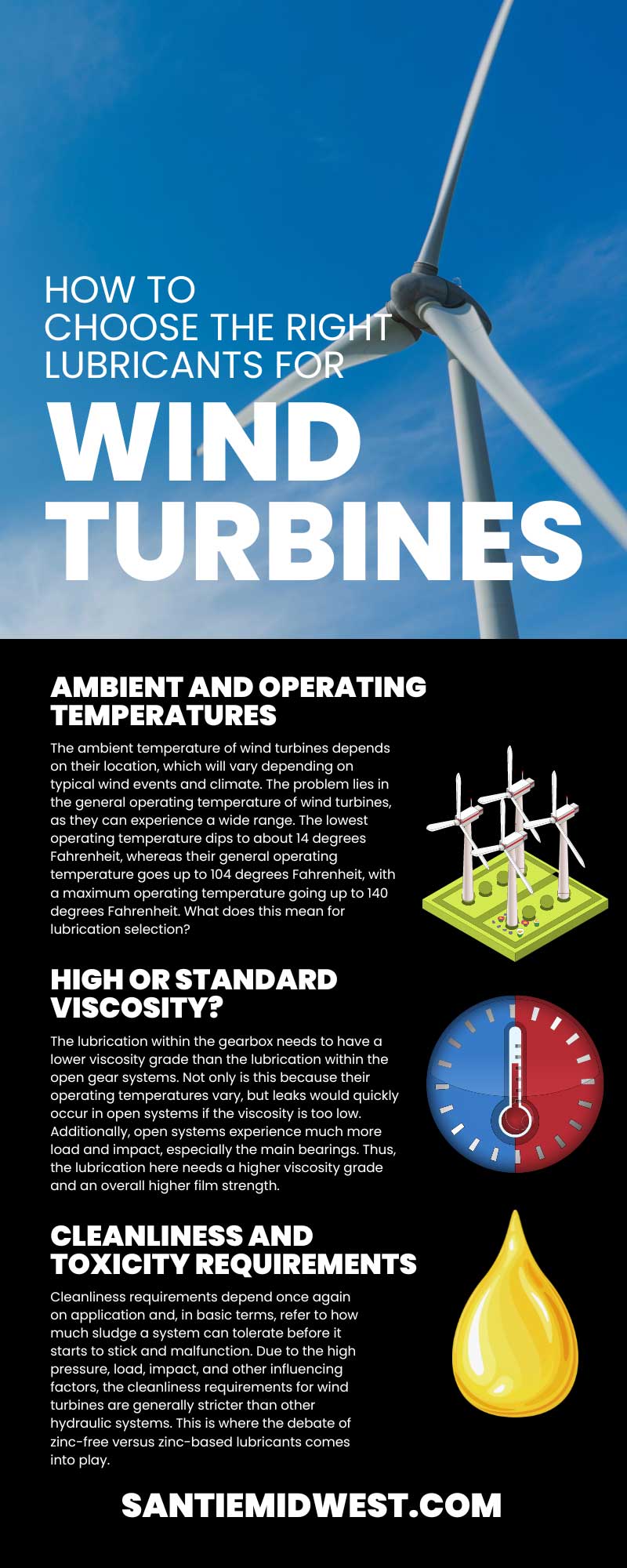
Ever look up at those giant, majestic wind turbines spinning gracefully in the breeze? They’re like silent guardians of a greener future, right? Whirring away, making clean energy, completely free from the greasy clutches of… well, anything greasy. Or so you might think!
Prepare yourself, because I’m about to playfully pull back the curtain on a little secret. It's not a scandalous reveal, more like a charming, slightly oily whisper. Ready? Those big, beautiful, green-leaning energy producers actually use quite a bit of oil.
Yes, you read that right. Like a well-kept but ultimately not-so-surprising family recipe, there's a generous dollop of the black gold in those whirring giants. Before you gasp and declare all hope for clean energy lost, let's take a light-hearted peek under the hood, or rather, inside the nacelle.
The primary culprit – or hero, depending on your perspective – is the gearbox. Think of a wind turbine as a giant, incredibly powerful bicycle. Those enormous blades don't spin super fast, but they have immense torque. To turn that slow, powerful spin into enough electricity for your toaster (and a thousand other things), you need to speed it up. That's where the gearbox comes in.
It’s like the transmission in your car, but on a truly colossal scale. Gears, big, heavy gears, grinding away, converting slow rotations into rapid ones. And what do gears need to function smoothly, efficiently, and not wear themselves out in a fiery, metallic embrace? You guessed it: copious amounts of lubricating oil. We’re talking specialized, high-performance synthetic oil, designed to handle extreme temperatures and pressures for years on end.
How Much Energy Does A Wind Turbine Produce? - Lindy Energy
A single, utility-scale wind turbine can hold hundreds of liters of this essential fluid in its gearbox alone. Imagine filling up multiple bathtubs with oil just for one turbine! And like your car, that oil needs changing periodically. It doesn't last forever. So, throughout a turbine's typical 20-25 year lifespan, it will consume thousands of liters of oil for lubrication.
But wait, there's more! Beyond the gearbox, many turbines also rely on hydraulic systems. These systems are crucial for things like adjusting the pitch of the blades (how they catch the wind) and for yaw control (turning the whole nacelle to face the wind). These hydraulic systems, you guessed it, use hydraulic oil. Less than the gearbox, sure, but it adds to the overall tally.
How much oil does a wind turbine use | Freen.com
So, when someone tells you that wind turbines are completely oil-free, you can give them a knowing, playful wink. Because the truth is, they're not. And that's okay!
"It's like expecting your high-performance racing bike to run on wishes and good vibes alone. You still need chain lube, don't you?"
How Much Oil Is in a Wind Turbine? - Two Green Leaves
This isn't to say wind energy isn't fantastically cleaner than burning fossil fuels for power. It absolutely is! But it’s a reminder that truly nothing in our modern, industrialized world is entirely disconnected from resources that need to be extracted, processed, and moved around. Even the "greenest" technologies have an industrial footprint.
From the oil used in the manufacturing process of the turbine components, to the diesel that fuels the ships and trucks that transport these colossal parts, to the lubricants needed for the heavy machinery that installs them, and finally, to the ongoing maintenance that keeps them spinning – oil plays a role. It’s a part of the grand, complex ballet of modern engineering.
So, next time you see a wind turbine, you might still marvel at its clean energy generation, but now you'll have a little insider knowledge. You'll know that somewhere up there, deep inside its mechanical heart, a not-so-small pool of oil is diligently working to keep the blades turning, silently powering your world. It's a pragmatic truth wrapped in a beautifully green package. And there's nothing wrong with that.