
How Much Natural Gas Does A Generac Generator Use

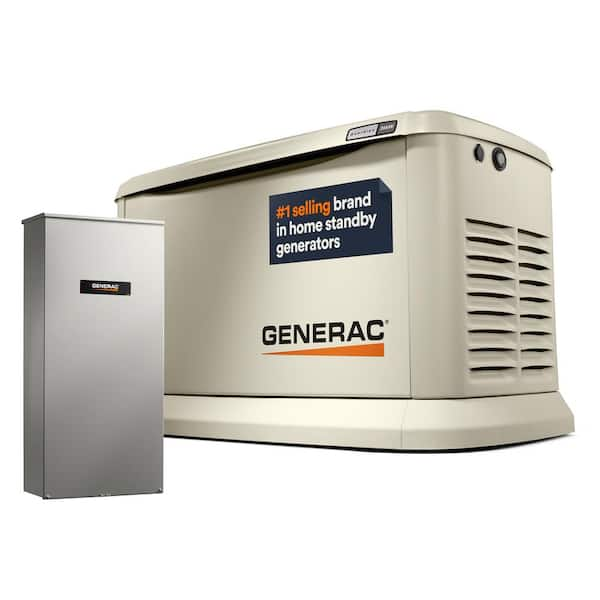
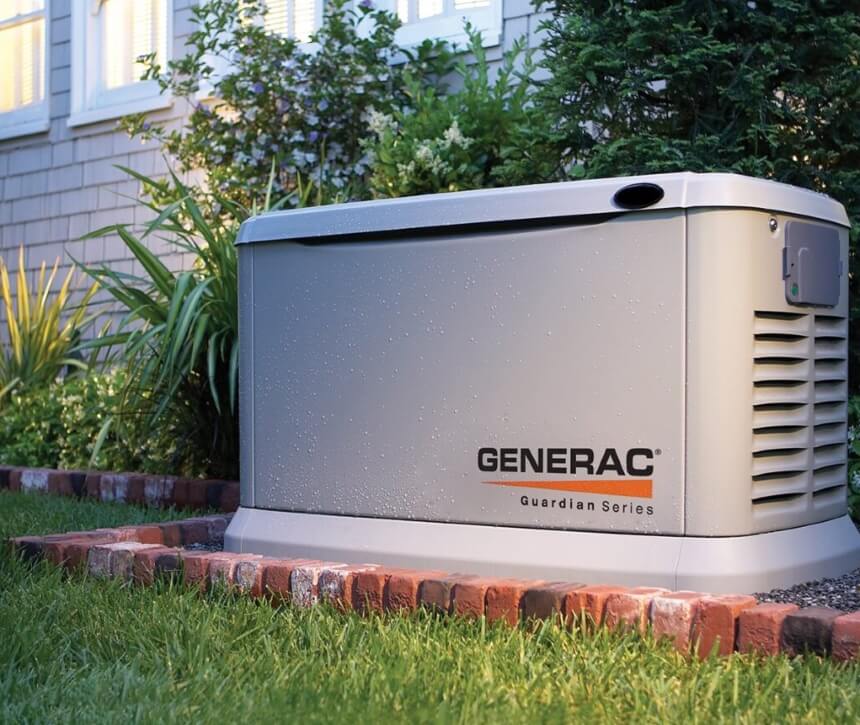
Okay, picture this: It's the dead of winter. Snow's piled up higher than my chihuahua, and the power grid decides to take a permanent vacation. We're talking serious "hot chocolate and blankets" territory. Luckily, I had prepped, anticipating this possibility and I have a Generac generator humming away in the backyard, saving my sanity (and the ice cream in the freezer, let's be honest). But a thought occurred to me amidst all that blessed electricity: just how much natural gas is this thing guzzling?
That's the question we're tackling today, my friend. Because while a generator is a lifesaver, knowing its appetite for natural gas is crucial for budgeting and, you know, not getting a surprise gas bill that sends you into cardiac arrest. So, let's dive into the wonderful (and sometimes confusing) world of Generac generator fuel consumption.
Factors Affecting Natural Gas Consumption
First things first: there's no one-size-fits-all answer. The amount of natural gas your Generac generator uses depends on a bunch of different factors. Think of it like this: your gas mileage in your car isn't the same if you're flooring it on the highway versus cruising around town, right? Same principle.
Must Read
Here's a quick rundown of the main culprits affecting gas usage:
- Generator Size (kW Rating): This is the big one. A larger generator, capable of powering more appliances, will naturally burn more gas. Makes sense, right?
- Load: How much stuff are you actually powering? Running just the fridge and furnace? Or the entire house including that fancy wine cooler you swear you barely use? (We all have those, don’t we?). The heavier the load, the more gas you'll need.
- Generator Model: Different models, even with similar kW ratings, can have slightly different fuel efficiency. Check your owner’s manual! (Seriously, it's probably gathering dust somewhere. Go find it.)
- Natural Gas Pressure: If the gas pressure isn't optimal, the generator might work harder and consume more fuel. This is something a professional can check for you. Don't go messing with gas lines yourself!
- Altitude: Altitude can have an effect, especially at higher elevations where the air is thinner.
Bottom line: More load = more gas. Bigger generator = potentially more gas (but also more power!). Check your manual because I'm about to make it clearer.
Finding the Fuel Consumption Rate
Okay, so how do you figure out the actual gas consumption? The best place to start is your Generac generator's owner's manual. Seriously, that thing is a goldmine of information. Look for a table or section detailing the fuel consumption rate at different load levels. It'll usually be expressed in cubic feet per hour (CFH).
Can't find the manual? (Don't worry, it happens). Generac’s website can be your friend as well. Search for your specific model and download the manual. They’re usually pretty good about making those available. Another option could be contacting Generac directly and give them your model to point you in the right direction.

Example: Breaking Down the Numbers
Let's say your manual says your 16kW Generac generator uses the following (these are example numbers only, so DO NOT use them for your generator):
- Half Load (8kW): 90 CFH
- Full Load (16kW): 150 CFH
This means that if you're only using half the generator's capacity (8kW), it'll burn around 90 cubic feet of natural gas per hour. If you're maxing it out at 16kW, it'll burn 150 CFH. Now, to get a sense of cost, you need to know the price of natural gas in your area. Your gas bill should have that information (look for something like "dollars per therm").
So, for simplicity, let's pretend natural gas costs $1.50 per therm, and 1 therm equals 100 cubic feet (again, check your local rates!).

At half load, your generator would use 90 CFH, which is 0.9 therms per hour. That would cost you 0.9 x $1.50 = $1.35 per hour to run.
At full load, it’s 150 CFH, or 1.5 therms per hour. The cost is 1.5 x $1.50 = $2.25 per hour.
See? Math isn't so scary when it involves keeping the lights on during a blizzard. Now make your own calculation to determine your cost per hour.
Tips for Minimizing Natural Gas Consumption
Nobody wants to spend a fortune on fuel. Here are some tips to keep your Generac generator's gas consumption in check:
- Prioritize: Only power essential appliances during an outage. Do you really need to run the electric blanket in July? Probably not.
- Upgrade Appliances: Consider energy-efficient appliances. They'll draw less power, meaning less gas consumption.
- Regular Maintenance: Keep your generator properly maintained. A well-tuned engine is a more efficient engine.
- Proper Sizing: Make sure your generator is the right size for your needs. A generator that’s too big will waste fuel.
So there you have it. Understanding your Generac generator's natural gas consumption is key to preparedness and avoiding sticker shock. Now go forth and conquer those power outages, armed with knowledge and maybe a calculator!