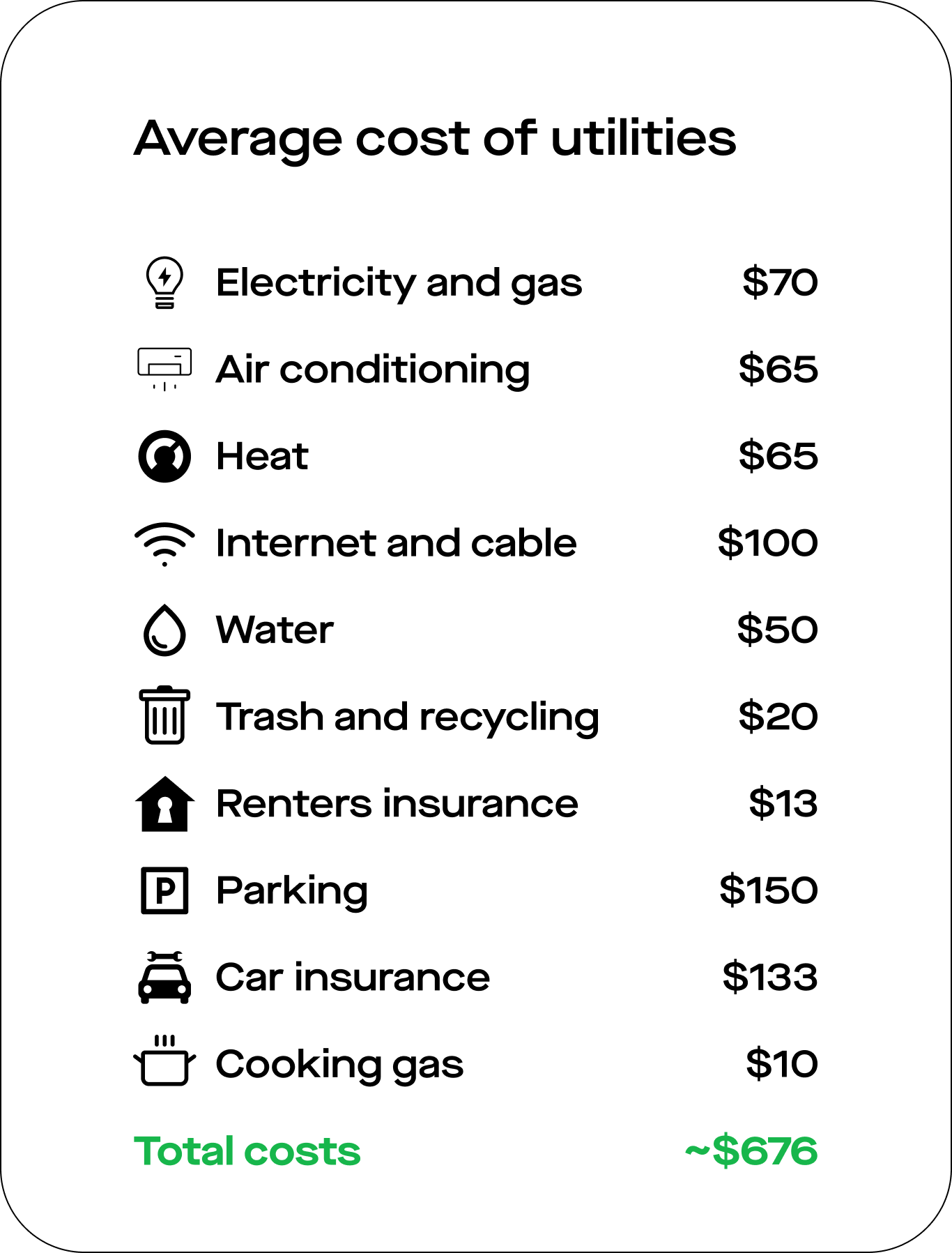
How Much Is Water Gas And Electric Per Month
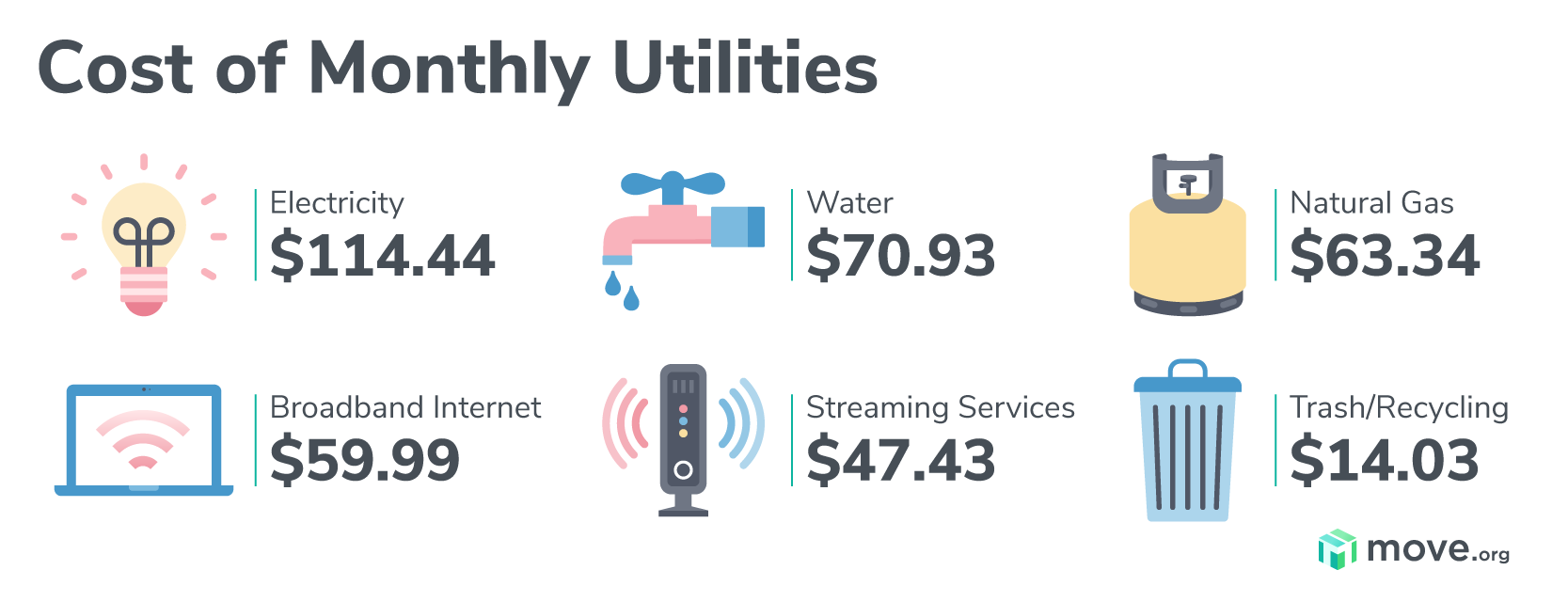
Let's face it, nobody really enjoys paying bills. But let's be honest, we definitely enjoy what those bills provide: warm showers, brightly lit rooms, and the ability to binge-watch our favorite shows. Keeping the lights on and the water flowing is a cornerstone of modern life, so understanding how much it all costs is a crucial (though sometimes daunting) task. So, let’s dive into the murky waters of figuring out your monthly water, gas, and electricity expenses.
Think about it. Water, gas, and electricity are the unsung heroes of our daily routines. Water keeps us hydrated, clean, and allows us to cook. Gas fuels our ovens and sometimes our heating systems, keeping us cozy when the weather turns chilly. And electricity? Well, electricity powers practically everything – from our phones and laptops to our refrigerators and washing machines. These utilities are the invisible infrastructure that makes modern life possible. Without them, we'd be transported back to a time of wood-burning stoves and well water, which, while romantic in theory, isn't exactly practical for a Netflix marathon.
Common examples of water usage are obvious: showering, doing laundry, flushing toilets, watering the lawn. Gas is typically used for heating, cooking, and sometimes for water heaters. Electricity is the most versatile, powering a wide range of appliances, electronics, and lighting. The amount of each utility you use will vary widely depending on your lifestyle, the size of your home, the climate you live in, and even the age of your appliances. An energy-efficient refrigerator, for example, will use significantly less electricity than an older model. Someone who enjoys long, hot showers will naturally use more water and gas than someone who prefers a quick rinse.
Must Read
So, how can you get a better handle on your monthly utility expenses and maybe even enjoy a little extra cash in your pocket? Here are some practical tips:
1. Track Your Usage: Start by paying close attention to your bills. Most utility companies provide online portals where you can track your monthly usage. This allows you to see trends and identify potential areas for improvement. For example, are your electricity bills spiking during the summer months? That might indicate that your air conditioner is working overtime and needs maintenance, or that you need to invest in better insulation.
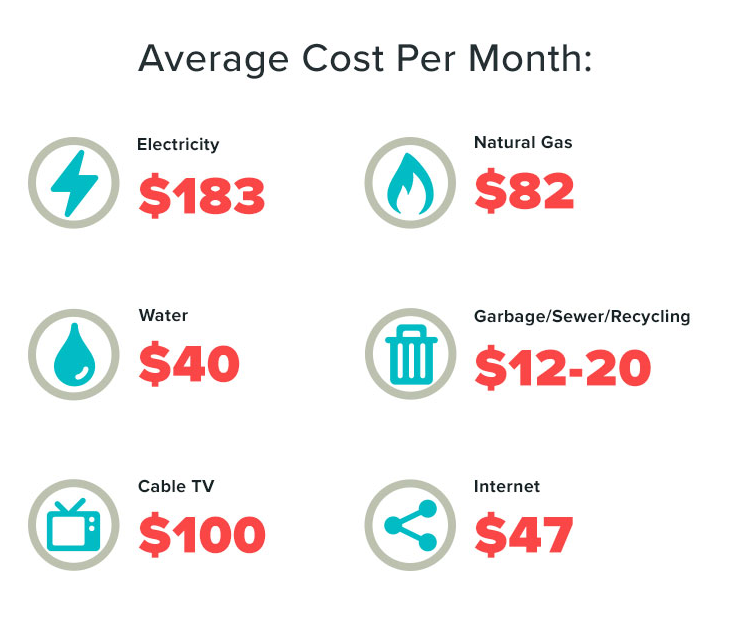
2. Embrace Energy-Efficient Practices: Small changes can add up over time. Switch to LED light bulbs, which use significantly less energy than traditional incandescent bulbs. Unplug electronics when you're not using them, as even in "standby" mode they can still draw power. Consider using a smart power strip to automatically cut power to devices when they're not in use. Take shorter showers, and consider installing low-flow showerheads and toilets to conserve water.
3. Maintain Your Appliances: Regular maintenance can help your appliances run more efficiently and prevent costly repairs down the road. Clean your refrigerator coils, replace air filters in your furnace and air conditioner, and check your water heater for leaks.
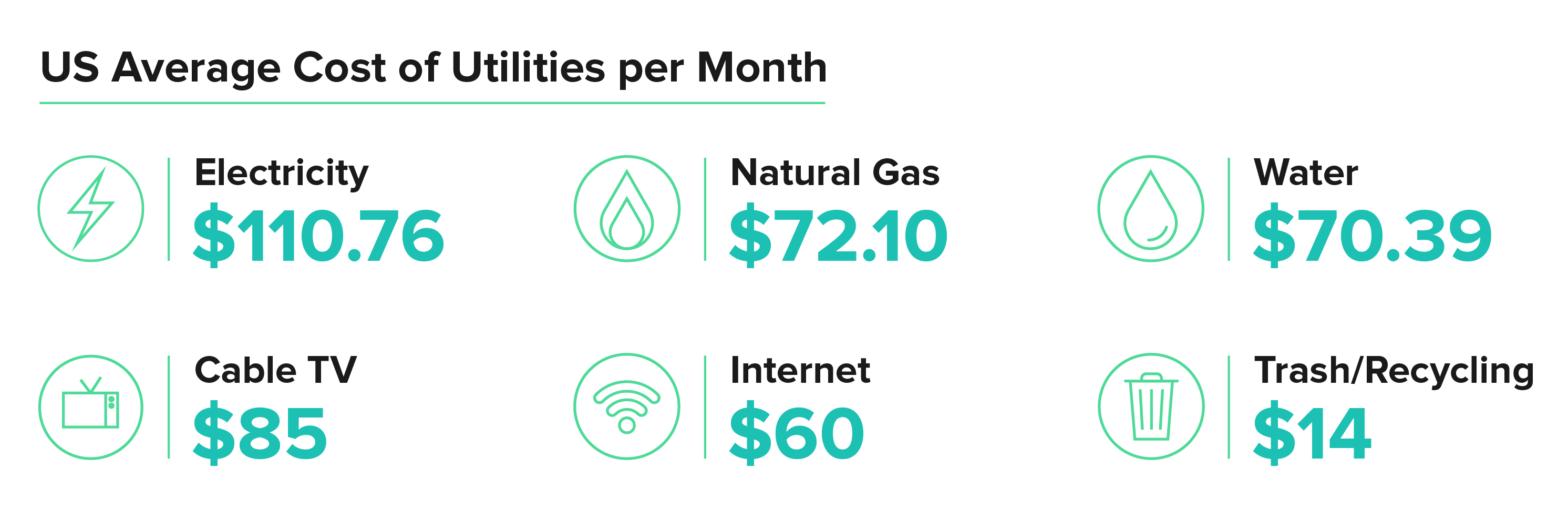
4. Shop Around: In some areas, you may have a choice of energy providers. Take the time to compare rates and plans to see if you can find a better deal. Be sure to read the fine print and understand any potential fees or penalties before switching providers.
5. Consider Smart Home Technology: Smart thermostats can learn your heating and cooling preferences and automatically adjust the temperature to save energy. Smart water monitors can detect leaks and alert you to potential problems before they cause significant damage. While these technologies require an initial investment, they can pay for themselves over time through reduced utility bills.
Ultimately, understanding and managing your water, gas, and electricity expenses is about taking control of your finances and making informed choices. It might not be the most glamorous topic, but it's an essential part of responsible homeownership (or renting!). By implementing these tips, you can keep your utility bills in check and enjoy the comforts of modern life without breaking the bank.