
How Much Is State Tax In Texas
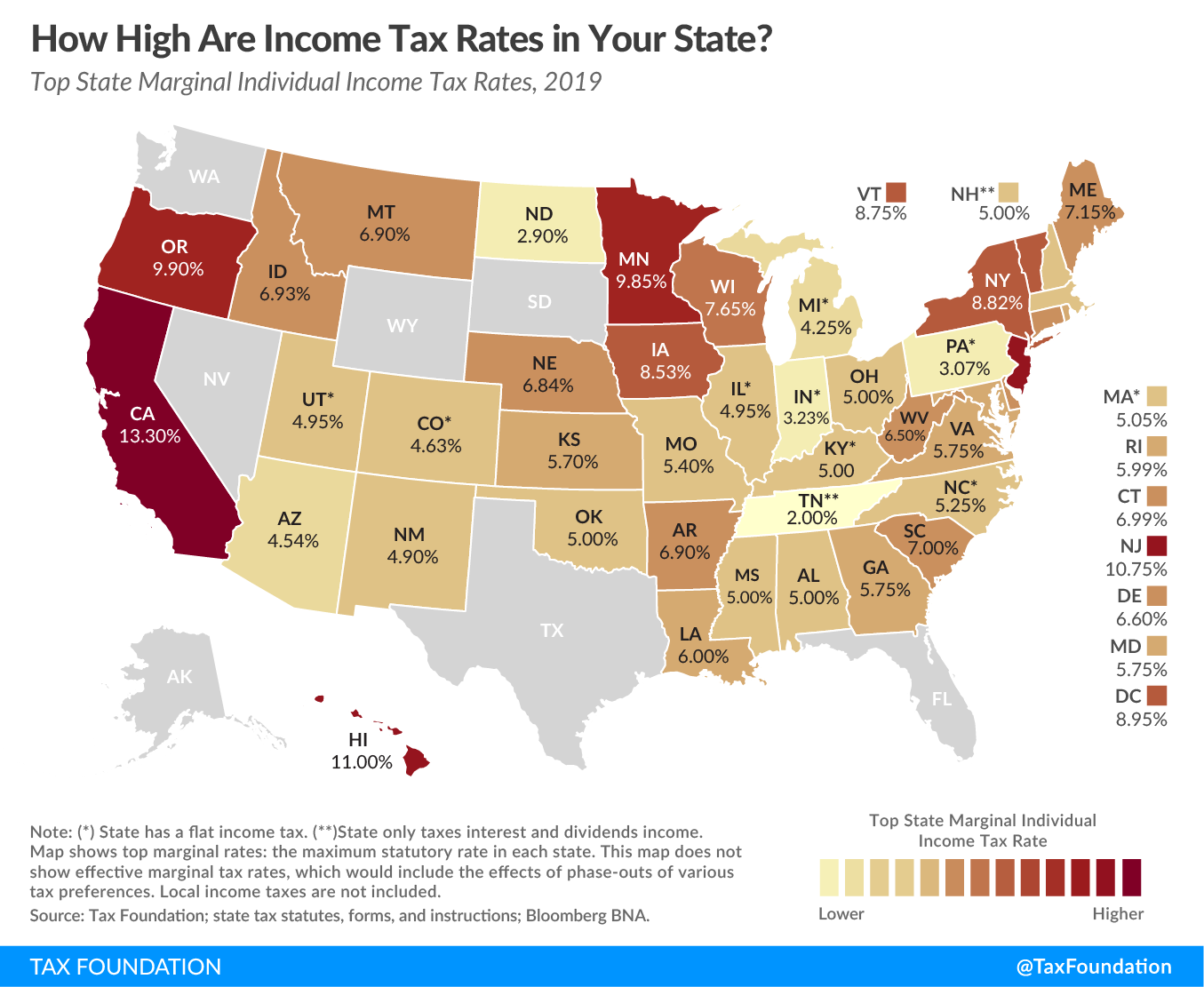
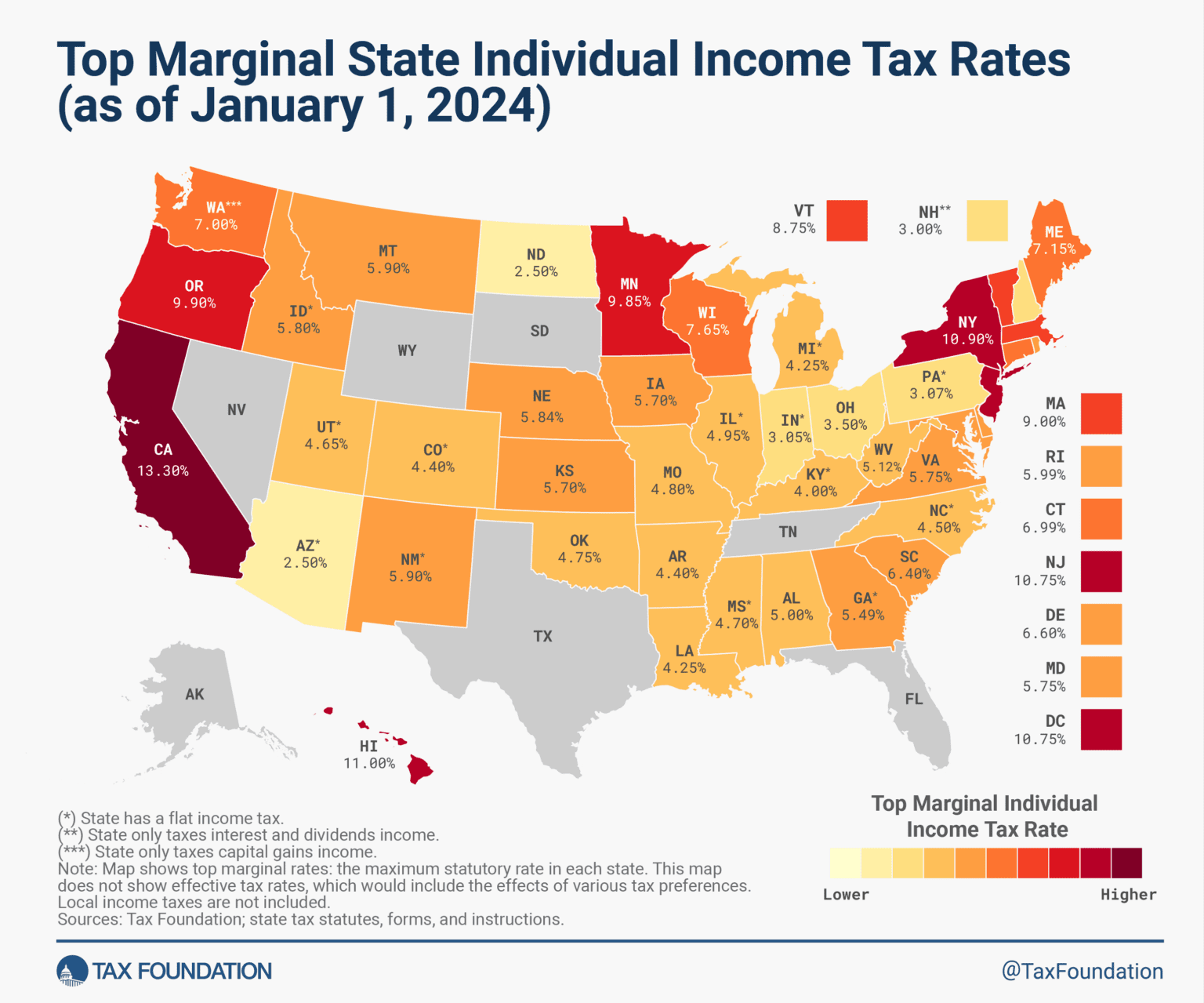
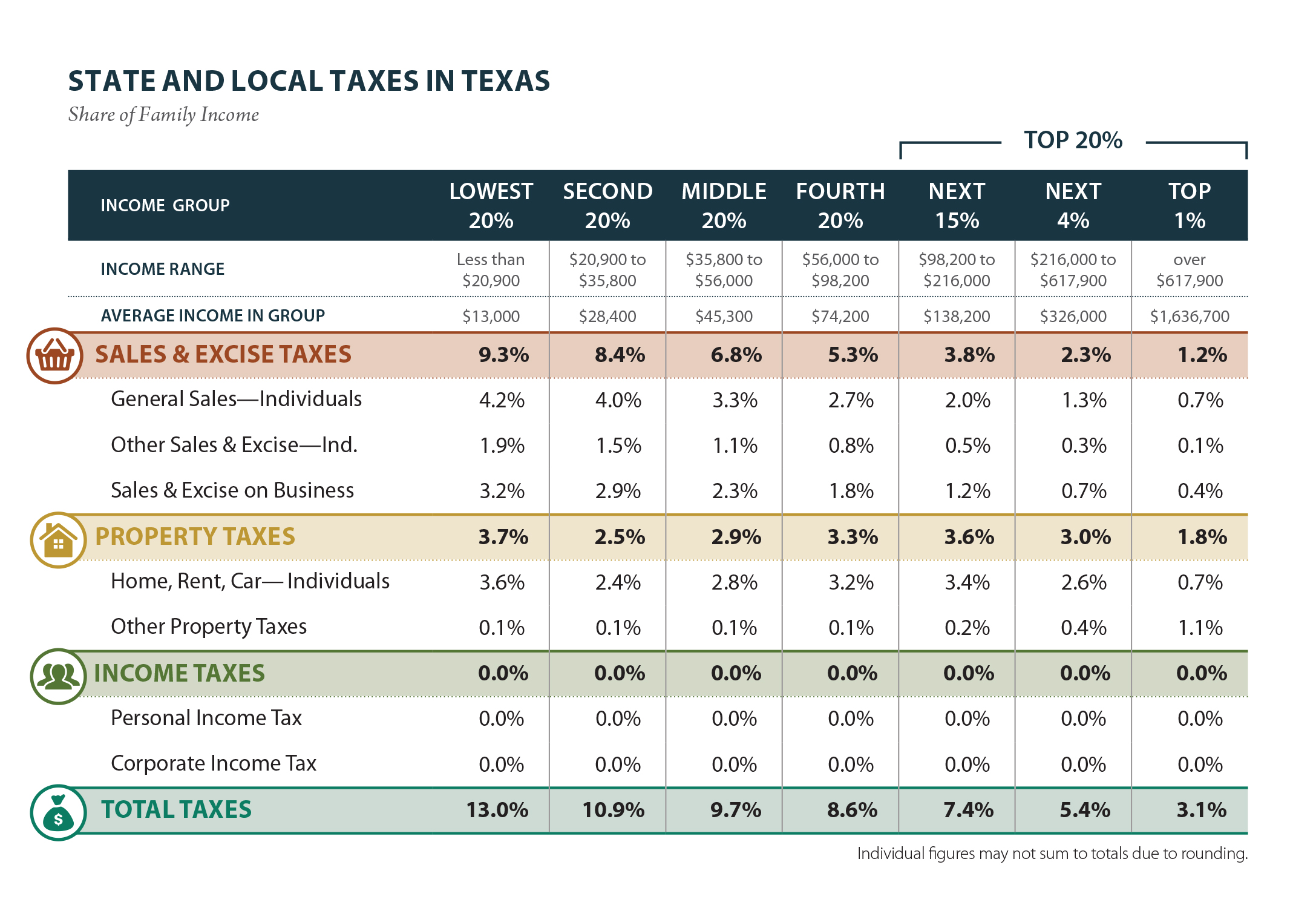
Ever wondered about state taxes in Texas? Buckle up, buttercup, because we're about to spill the tea on something pretty wild. When it comes to state income tax, Texas has a big, bold, beautiful zero. Yep, you heard that right! As in, zilch, nada, zip! Isn't that just the quirkiest little fact you've heard all day?
For Texans, this means a significant chunk of their paycheck never even glances at a state income tax form. It’s like a little financial high-five from the state government, saying, "Go forth and keep more of your hard-earned cash!" Think about that for a second. While folks in many other states are dutifully sending a percentage of their earnings to the state coffers, Texans are just... not. Pretty neat, huh?
It’s one of those things that really makes Texas stand out, often popping up in conversations about financially friendly states. It's not just a rumor; it's a core pillar of the Texas economic landscape. Makes you wanna pack your bags and move right in, doesn't it?
Must Read
So, How Does Texas Pay for Everything?
Now, before you envision schools funded by rainbows, let’s get real. Running a big ol' state like Texas costs serious moolah. So, if they're not taking it from your income, where does the money come from? Ah, my friend, that’s where the other taxes come into play, and they’re just as interesting, if not more so!
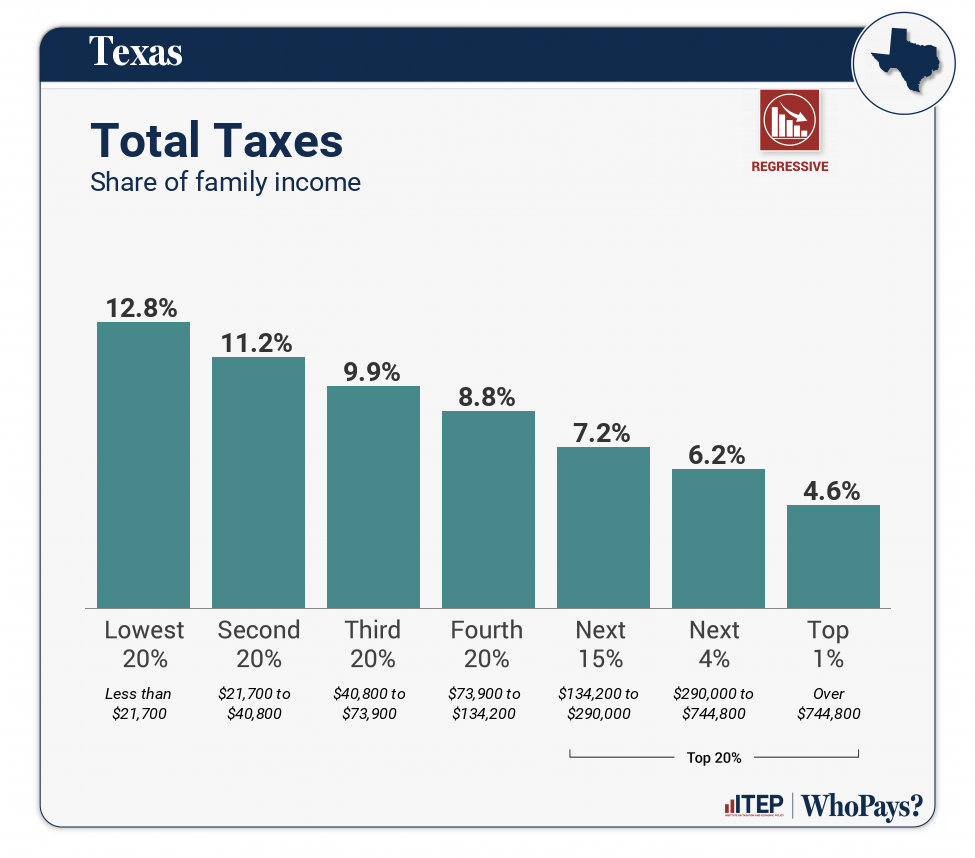
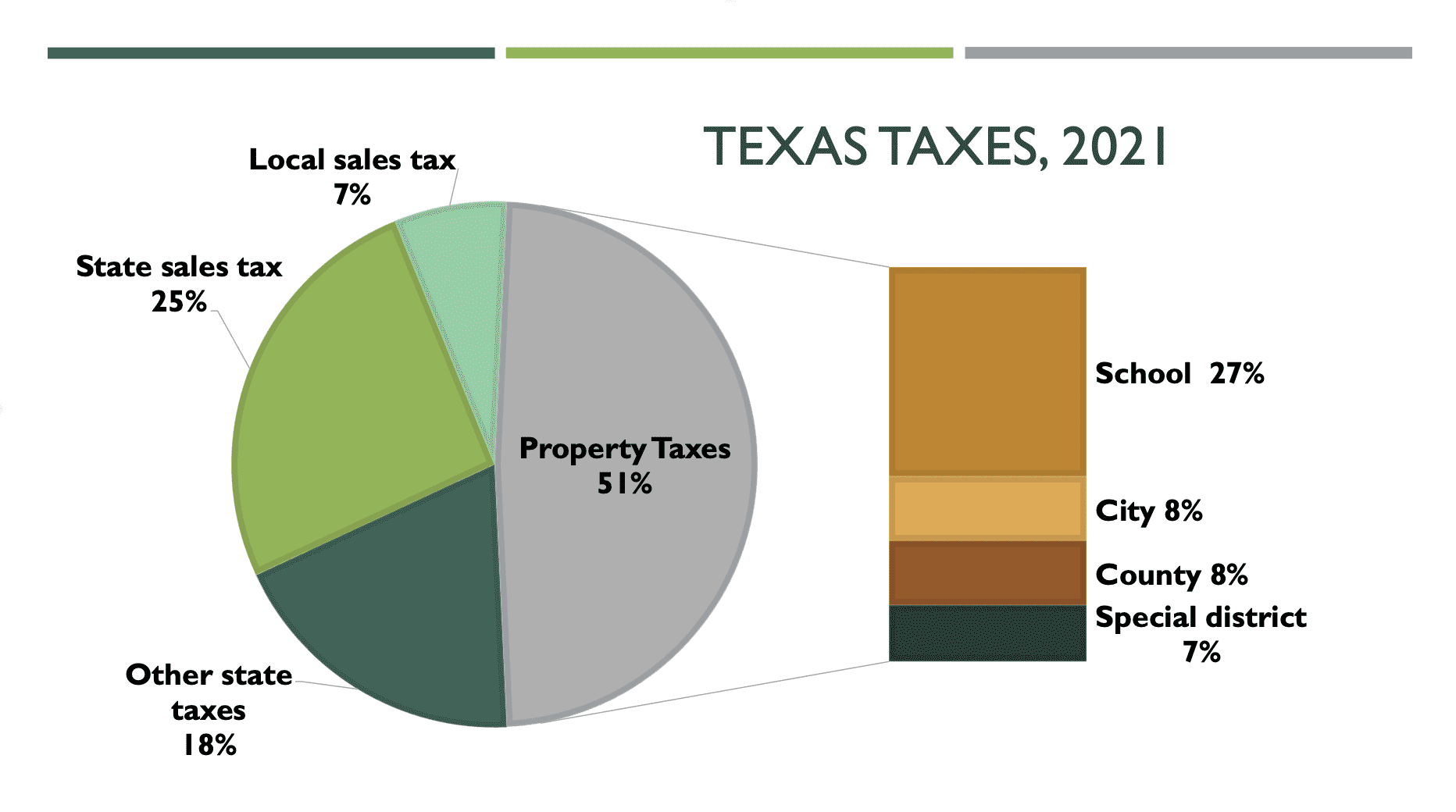
Texas isn’t tax-free, not by a long shot. They just get creative. The state primarily relies on two big revenue generators: sales tax and property tax. These are the workhorses that keep the lights on, the schools running, and the highways humming. It's a different way of doing things, and it has its own unique quirks and charms.
Shop Till You Drop... and Pay Sales Tax!
First up, sales tax! When you buy most things in Texas, you'll see a sales tax added to your bill. The statewide sales tax rate is 6.25%. But wait, there's more! Local cities, counties, and special districts can add their own slice to that pie, usually up to an additional 2%. This means you could be looking at a total sales tax rate of up to 8.25% in many places. Think of it as a little contribution every time you snag a new pair of boots, a delicious brisket sandwich, or that giant inflatable armadillo for your yard.
What's quirky here? Well, food for home consumption is generally exempt. So, your groceries are usually tax-free! But if you grab a coffee at a cafe or a meal at a restaurant? Yep, sales tax applies. It’s a subtle dance between what you eat out and what you cook in. And let’s be honest, trying to remember what’s taxable and what’s not can sometimes feel like a fun little game of fiscal hide-and-seek.
Your Home Sweet Home, and Its Property Tax Bill
Next up, and often the biggest shocker for newcomers, is property tax. This is where Texas can really stretch its muscles. While the state government doesn't levy a statewide property tax for most things, local entities – your county, city, school district, and other special districts – certainly do. And let me tell you, those rates can be quite robust.
Texas property taxes are assessed on the appraised value of your home and land. These rates are set by local taxing units, not the state. This means your property tax bill can vary significantly depending on where you live. Move a few miles down the road, and boom, your school district tax rate might be totally different! It’s all about local control, which is pretty Texan if you think about it.
The valuations are done by appraisal districts, and they aim to assess your property at market value. So, if your home's value skyrockets (yay for equity!), so might your property tax bill (boo for annual payments!). It’s a perpetual dance between rising home values and those yearly tax statements. It's a system that truly highlights the hyper-local nature of funding essential services in Texas.
Other Bits and Bobs of Revenue
Beyond sales and property taxes, Texas also collects revenue from various other sources. There’s the franchise tax, which is essentially a business tax. And then you have all sorts of fees – vehicle registration fees, hunting and fishing licenses, oil and gas production taxes, and so on. Every little bit adds up, creating a diverse revenue stream that fuels the state without dipping into personal income.
It’s like Texas has a giant, intricate puzzle where every piece, from your morning coffee tax to your annual property appraisal, fits together to fund everything from bustling urban centers to serene state parks. It’s complex, yes, but also undeniably fascinating!
The Bottom Line: It's All About Balance!
So, there you have it! The lowdown on Texas state taxes. No state income tax might sound like a dream, and in many ways, it is! But it comes with the trade-off of higher sales and property taxes. It's a unique system that requires a bit of understanding, especially if you're considering calling Texas home.
Is it "cheap" to live here? Well, that depends on your lifestyle and where you hang your hat. But one thing's for sure: the way Texas funds itself is a lively, engaging topic that’s definitely worth a chat over some sweet tea or a frosty beverage. It’s a testament to how different states choose to manage their finances, proving that there's more than one way to skin a cat... or fund a government!
So, next time someone asks about Texas taxes, you can casually drop the "no income tax" bomb and then, with a knowing wink, explain the fascinating intricacies of how the Lone Star State truly keeps its gears turning. Pretty cool, right?